Your Monthly Homeschool Art Plan—Simplified
Let me guess—you’ve got a shelf full of Pinterest-worthy art supplies, a dozen saved Instagram reels of seasonal crafts, and about five minutes a day of actual quiet time to pull it all together. That’s why I’m here to tell you: monthly planning is your new best friend.
Monthly homeschool art planning doesn’t mean every moment is scheduled. It means you’ve got a loose, lovely rhythm that gives you flexibility, structure, and sanity. So let’s simplify this whole thing and make room for creativity without the overwhelm.
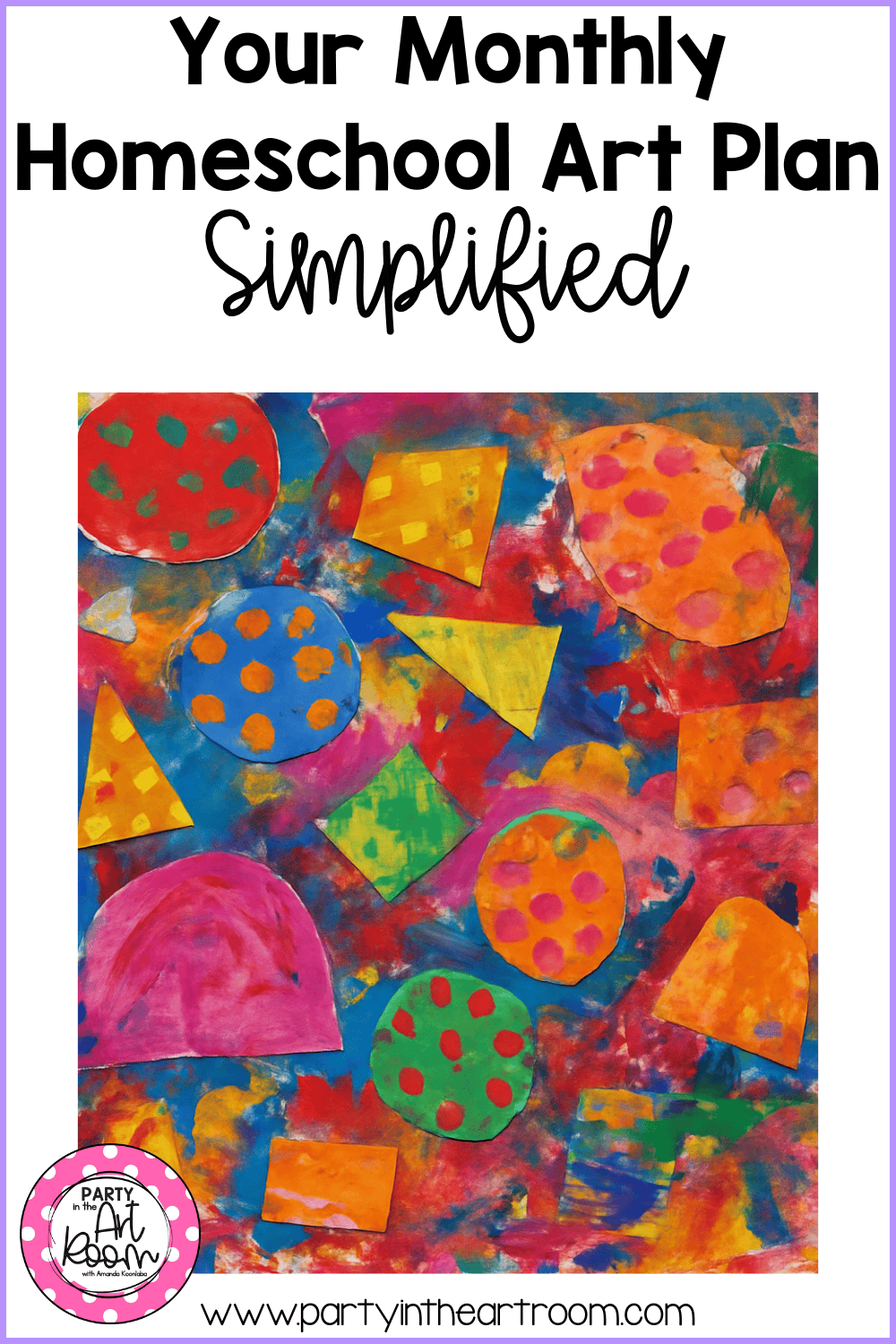
A finished art piece sets the tone for how a simple monthly plan leads to meaningful, polished work without daily stress.
Why Monthly Planning Works So Well for Art
You don’t have to reinvent the wheel every week. With a monthly art plan:
● You can theme your lessons around seasons, holidays, or artists
● You reduce decision fatigue
● You make the most of your supplies
● You can actually see your children’s growth as artists
Plus, it’s easier to integrate art into your other subjects when you’ve got the big picture in mind.
The 4-Week Framework I Swear By
Here’s how I break it down:
Week 1: Artist Study Pick an artist and dive in! Read a short bio, look at a few pieces, and talk about what makes their work stand out. We love starting the month with Georgia O’Keeffe—especially using this Cow Skull Dice Roll Game. It blends art history with creative choice-making.
Week 2: Technique Focus This week is all about skill-building. Maybe it’s color mixing, line quality, or texture exploration. One of our favorites? Blending oil pastels and baby oil to mimic painting, like we do in the Garrett May Cow Drawing Lesson.
Week 3: Big Project Now it’s time to apply what they’ve learned. Create a larger piece or a finished product. You could even build up to a Plaster Wrap Animal Mask here. Just give yourself enough time—it takes a few days to dry!
Week 4: Reflect + Display This is where the real magic happens. Kids write about their process, reflect on what they loved, and help choose where to display their work. You can even take a photo and add it to a portfolio.
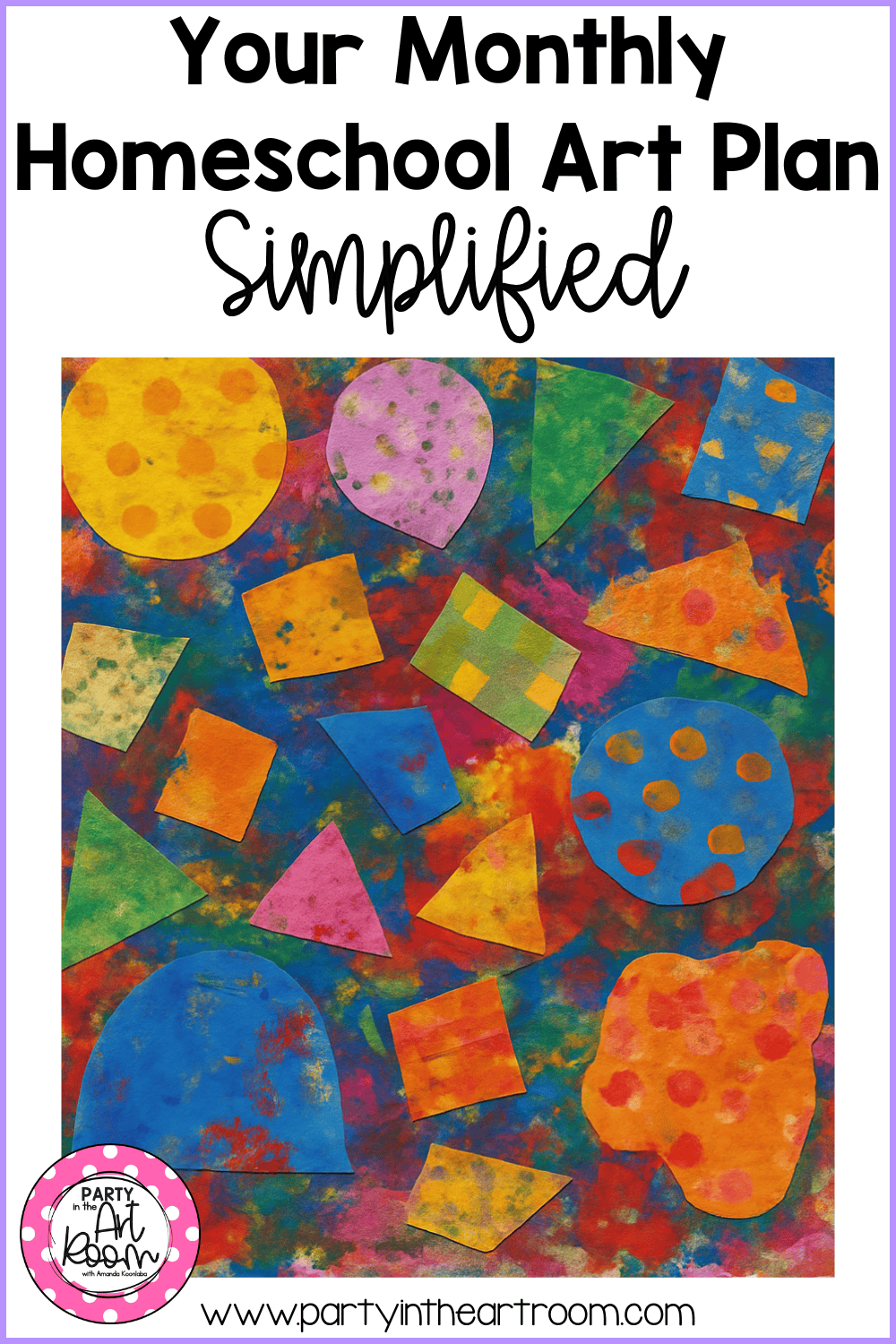
Monthly planning allows students to build skills week by week and apply them in a finished project they’re proud of.
Sample Monthly Plans (Feel Free to Steal These)
March - Signs of Spring
● Week 1: Study Beatrix Potter and do a Peter Rabbit Monoprint
● Week 2: Watercolor layering technique
● Week 3: Flower collage with mixed media
● Week 4: Mount work on construction paper and create artist statements
October - Creepy & Creative
● Week 1: Study Picasso’s masks or Frida’s portraits
● Week 2: Practice with acrylics or bold linework
● Week 3: Create Plaster Animal Masks
● Week 4: Hang a hallway gallery or living room art show
May - Wild About Wildlife
● Week 1: Learn about Georgia O’Keeffe and desert landscapes
● Week 2: Experiment with texture using pastels and baby oil
● Week 3: Draw a bold cow portrait (lesson here)
● Week 4: Compare oil pastels to oil paints, write reflections
FAQs About Monthly Art Planning
"Do I need to prep everything at once?" Nope! I usually plan the basics on the last Friday of the month, then prep week-by-week. Keep a checklist in your planner or a sticky note on the fridge.
"Can I loop subjects if we miss a week?" Absolutely. Just move the plan forward. Art is flexible. The goal is consistency, not perfection.
"What if my kids want more art?" That’s a good thing! Add in a free-draw station or keep a Cow Skull Game nearby as an independent center.
Materials That Stretch All Month
A monthly plan doesn’t require a trip to the craft store every week. Stick to these staples:
● Printer paper for sketching or game templates
Want a full list? Grab one of our free Art Cart Supply Guides.
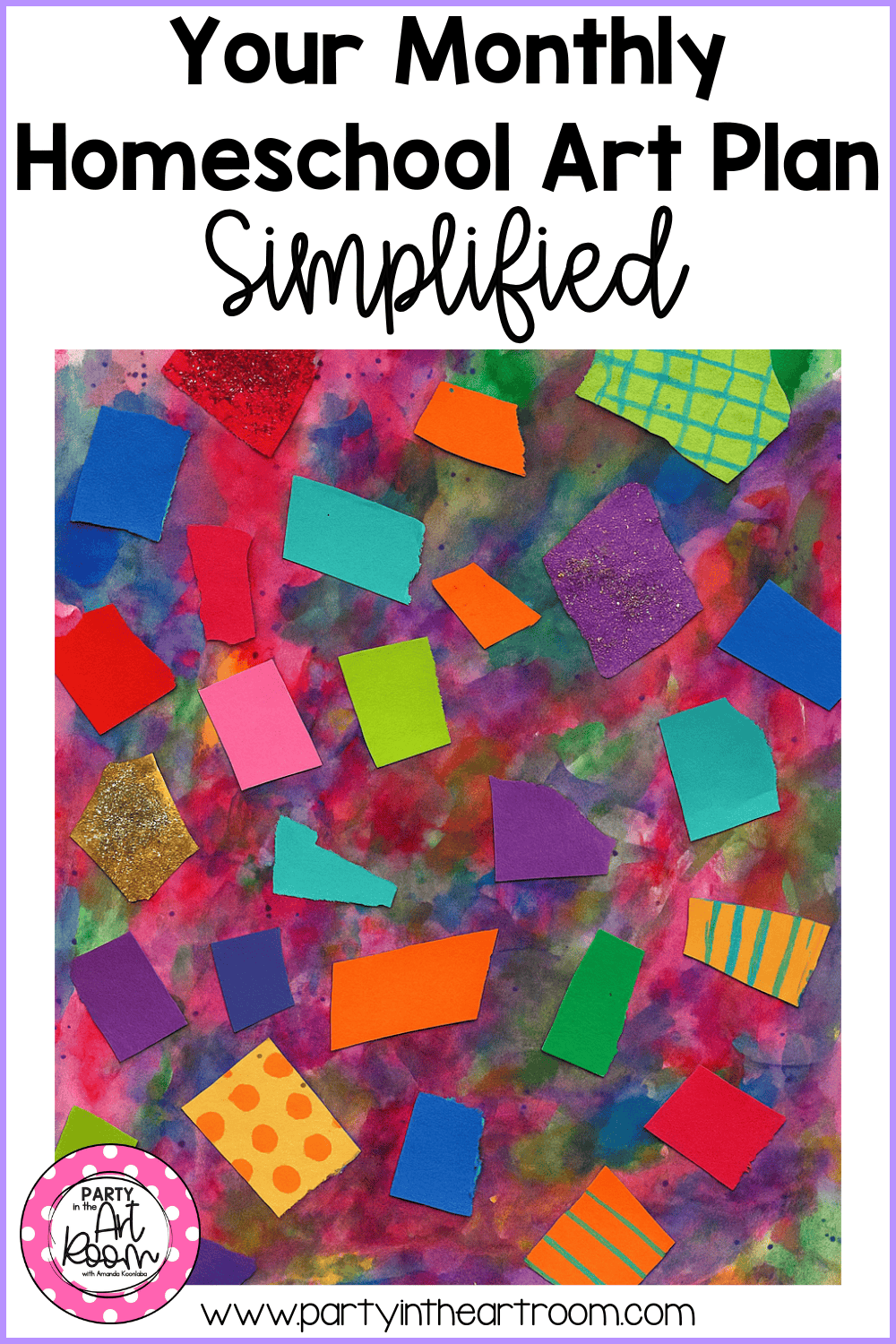
When art is planned monthly, finished pieces naturally reflect deeper learning and thoughtful creative decisions.
Final Thoughts: Simplify to Amplify
Your homeschool art time doesn’t have to be elaborate. It just needs to be intentional. With a solid monthly rhythm, you’ll:
● Build creative confidence
● Reduce daily stress
● Make space for deeper learning
If you’re ready to get started, head to our blog archive or browse ready-to-use lessons on TPT.
You’re already doing amazing. A monthly art plan is just the icing on the creativity cake.
You Might Also Be Interested In:



Expand Creativity with Symmetry Drawing Worksheets
Dive deeper into symmetry with our specially designed symmetry drawing worksheets. These engaging activities challenge students to complete intricate designs while honing their understanding of symmetrical balance. Perfect for classrooms or homeschool settings, these worksheets make learning symmetry both fun and artistic.

Shop Workbooks on Amazon
Affiliate Disclosure: Party in the Art Room is supported by its audience. When you purchase through links on this site, a commission may be earned.
Get to know Amanda Koonlaba!
Hi! I’m Amanda. Teaching children to be creative thinkers is my greatest joy. I’m here to help you bring that same joy to your classroom.

This guide is packed with 25 ideas for using art to teach math and ELA. It’s arts integration for the win!
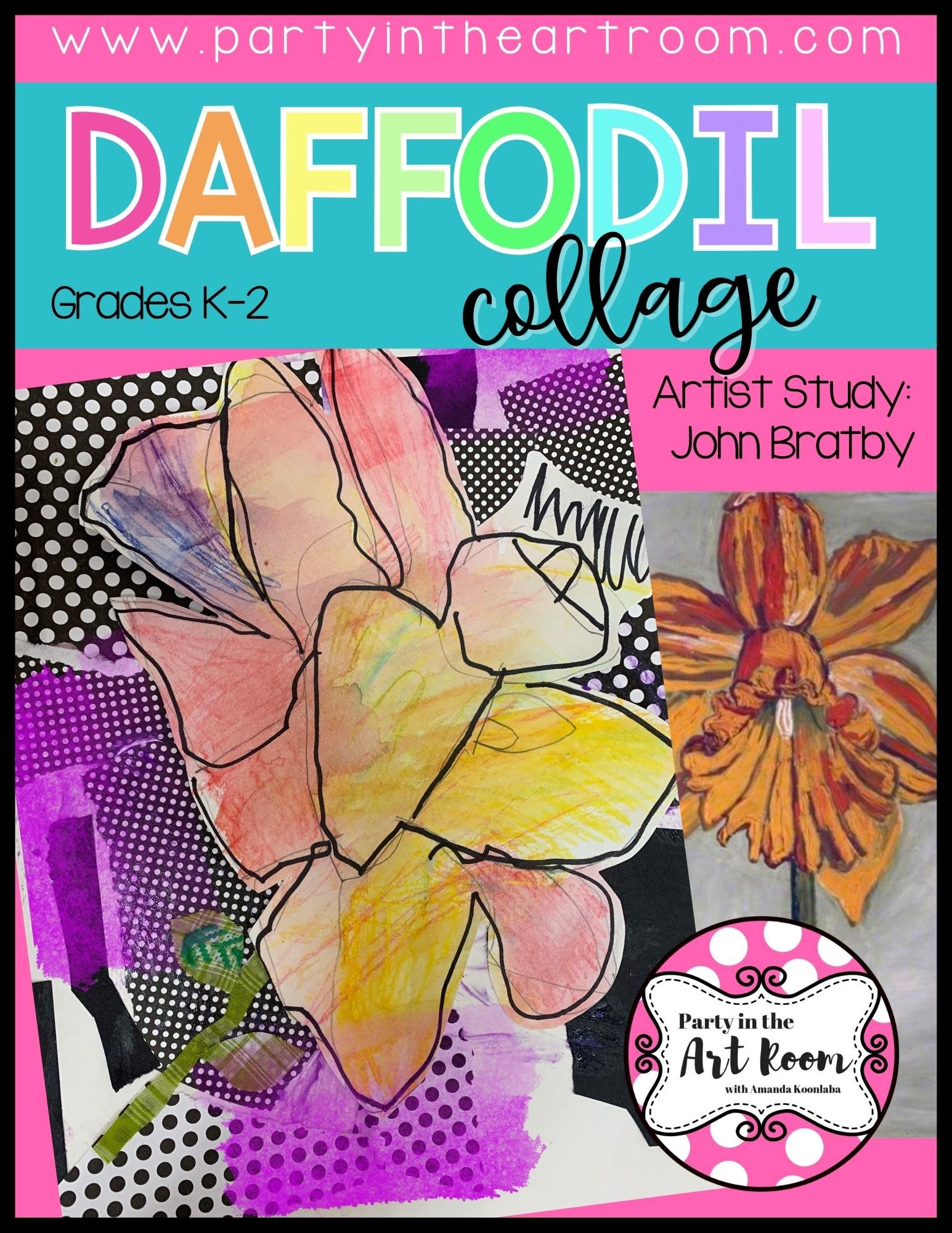
I want all students to feel successful in the art room, so I created a standards-based Daffodil Collage lesson to do just that! The lesson includes an artist study, student reflection, and more, so push your artists to their full potential.


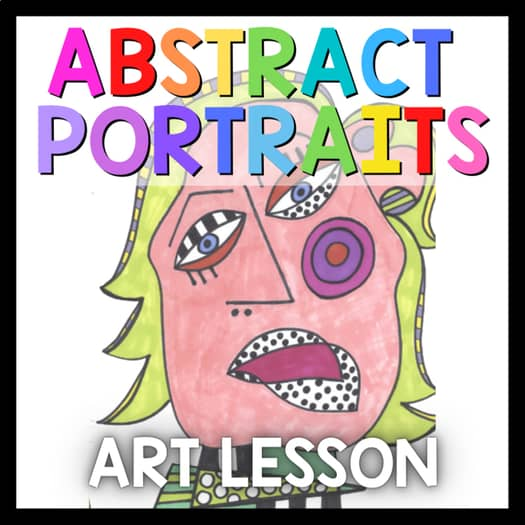
Are you planning an abstract art lesson inspired by Paul Klee? Are your students going to create abstract portraits? Here’s an engaging and vibrant lesson to enhance your curriculum! This resource is an ideal addition to your elementary art plans, bringing creativity and excitement to your classroom.
Transform simple brushstrokes into expressive watercolor portraits with Party in the Art Room's playful face-painting techniques that build confidence and creativity.
Watch colors bloom and blend as you create unique watercolor faces using approachable techniques perfect for any skill level. This bonus lesson extends your Lemon Tree course journey with step-by-step video instruction that makes portrait painting feel effortless and fun.
Step-by-step video instruction
Color blending techniques
Expressive portrait methods
Builds on Lemon Tree course
All skill levels welcome
Unlike intimidating portrait tutorials, this lesson encourages experimentation with playful techniques that celebrate imperfection - perfect for discovering your unique artistic voice.
Add to Cart for watercolor creativity.