Mid-Century Modern Collage with Second Graders: A Lesson in Slowing Down
Let me tell you something that might sound a little bananas: second graders can compose a balanced, thoughtful, mid-century modern collage. Not just glue some shapes and call it a day—really compose. And y’all… this one changed me a little too.
We called this project Mid-Century Modern Collage, and it was inspired by the quirky, joyful work of Alexander Girard and those bold, graphic designs from the 1950s and 60s. You know the vibe—boomerangs, squiggles, atomic bursts, organic shapes doing their own thing but somehow working in harmony? That’s what we were going for.
But what started as a fun paper cutting activity turned into a whole lesson on slowing kids down and letting the process do its thing.
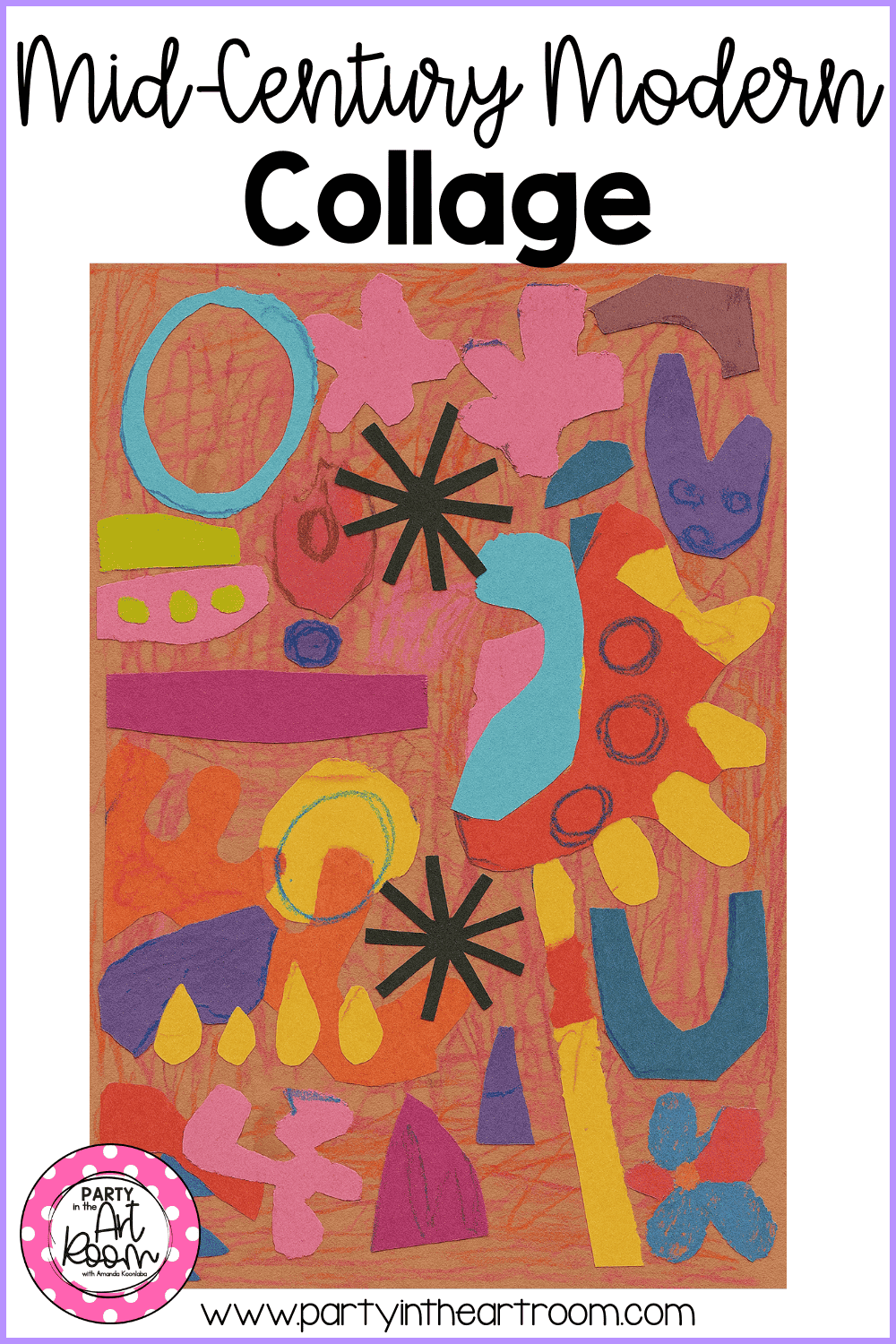
This mid-century modern collage project invited second graders to slow down, explore composition, and trust the process before committing to a final design.
🧠 The Real Lesson: First Thought ≠ Best Thought
Each student began by cutting out a bunch of freeform shapes—no tracing, just imagination and scissors. But they weren’t allowed to glue anything down. Not yet.
They had to create three different compositions first. Three full arrangements. No glue. Just planning and playing.
And then, the real magic happened.
👀 Let’s Talk About That Gallery Walk (aka The Moment Everything Shifted)
This was the game changer. After those first three compositions were laid out, we paused for a gallery walk.
And this wasn’t a “walk around and say ‘cute’” kind of moment. I gave them structure. Intention. Purpose.
Students toured the room asking themselves:
● “How is their space different from mine?”
● “What’s a cool trick I see that I could try?”
● “Does that arrangement feel more interesting than mine?”
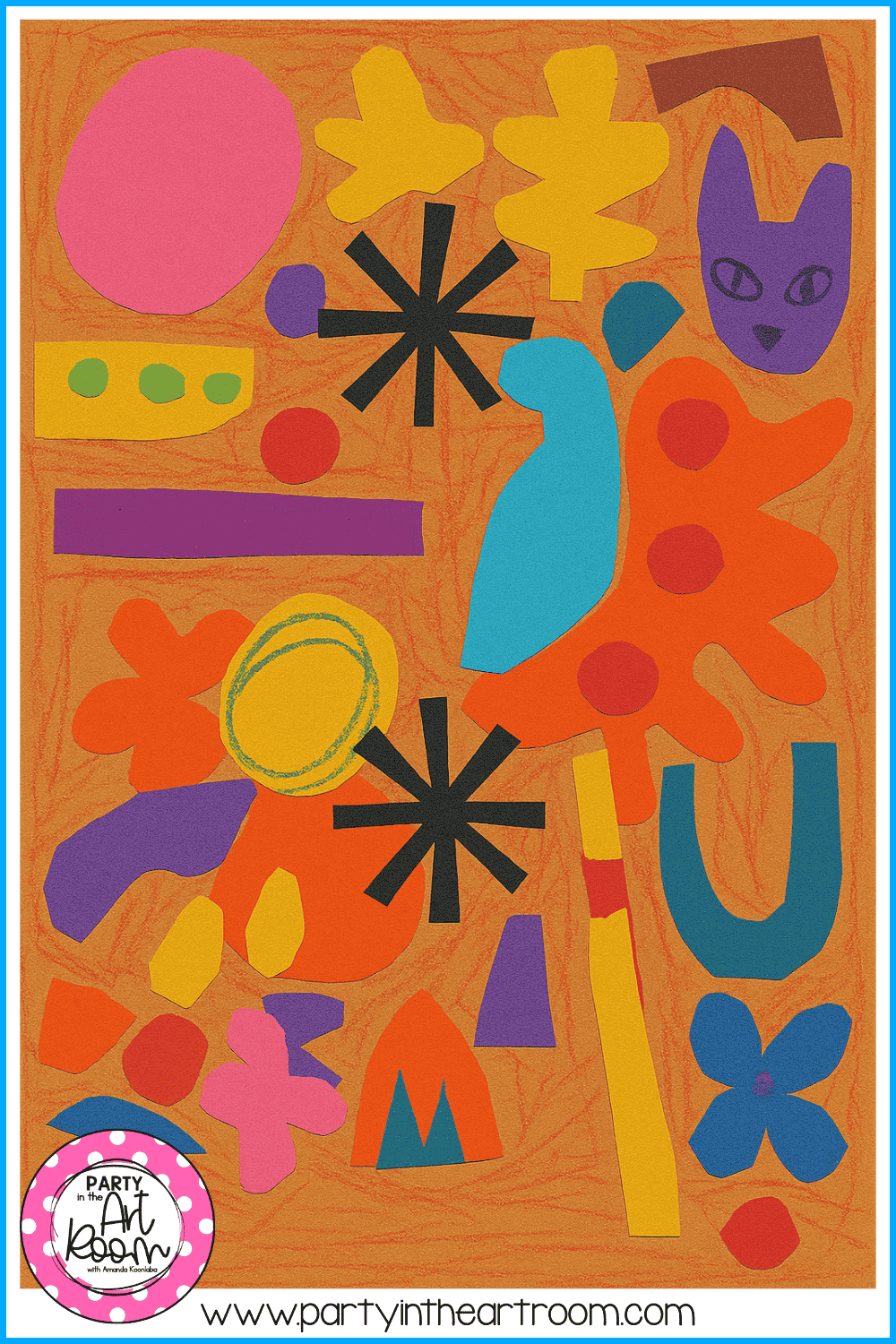
By creating multiple arrangements before gluing, students learned that strong compositions often come from revision, not speed.
I told them: Right now, you are artists, critics, and curators. Look with your artist eyes.
When they came back to their tables, something shifted. The shuffling of paper shapes got quieter. More focused. More intentional. Kids started flipping, rotating, removing, and rethinking—on their own. No prompts needed. Just time and space to think.
Then came peer feedback. Every student had to ask a classmate for one thoughtful suggestion. Not “Do you like it?” but real-deal questions like:
● “What’s one strong part of this composition?”
● “What would you change if this were yours?”
● “Does anything feel too crowded or too empty?”
And the coolest part? They listened. They reflected. They considered the feedback and made decisions based on it—sometimes they changed things, sometimes they didn’t. But either way, they thought deeply about what they were making.
Y’all, this is it. This is the kind of thinking we need more of in classrooms. Not just finishing fast and calling it “done,” but actually slowing down to reflect, revise, and grow.
✂️ Materials We Used:
● Construction paper (from a curated palette to match the mid-century style)
● Scissors
● Glue sticks
● Crayons or oil pastels (used underneath the collage if students chose to)
● A visual reference library of Alexander Girard’s work and 1950s/60s design styles
💬 What We Focused On:
● Shape exploration – how different kinds of shapes affect the overall feel
● Composition – creating multiple layouts and choosing the strongest one
● Revision + Feedback – using peer comments and self-reflection to improve
Color theory wasn’t our focus this time. I kept the color palette tight to support the visual style, which freed students to really focus on form, space, and balance.
Finished collages reflect how time, feedback, and intentional choices helped students move beyond first ideas into stronger visual storytelling.
🧩 Why This Mattered
This wasn’t just about making something cute. This was about developing an essential creative skill: pause and reflect.
Art teaches that your first idea isn’t always your best. That feedback can lead to better outcomes. That you have to look again and think a little deeper.
And I’ll be honest—it was good for me too. I realized how much more I need to build this type of process-thinking into my classroom. Our students (and us, too, let’s be real) are bombarded with instant everything. This project was a breath of fresh air.
Also? Kids need to cut more. Like, physically hold the scissors and cut. Their fine motor skills will thank us later.
🛍 More Great Ideas from Party in the Art Room
If you’re into the idea of thoughtful composition and playful, process-driven projects, check out these two favorites from my shop:
● 🖼 Rousseau Animals Art Lesson — for more dreamy, shape-based compositions full of imagination
● 🎨 Street Art and Graffiti: Back to School Activity — bold, expressive art that invites experimentation, feedback, and multiple drafts
Want to try this project at home or in your classroom? You don’t need much. Just paper, scissors, and the courage to not glue too soon. 💛
If you give it a go, tag me—I’d love to see your own little modernists in action!
You Might Also Be Interested In:



Expand Creativity with Symmetry Drawing Worksheets
Dive deeper into symmetry with our specially designed symmetry drawing worksheets. These engaging activities challenge students to complete intricate designs while honing their understanding of symmetrical balance. Perfect for classrooms or homeschool settings, these worksheets make learning symmetry both fun and artistic.

Shop Workbooks on Amazon
Affiliate Disclosure: Party in the Art Room is supported by its audience. When you purchase through links on this site, a commission may be earned.
Get to know Amanda Koonlaba!
Hi! I’m Amanda. Teaching children to be creative thinkers is my greatest joy. I’m here to help you bring that same joy to your classroom.

This guide is packed with 25 ideas for using art to teach math and ELA. It’s arts integration for the win!
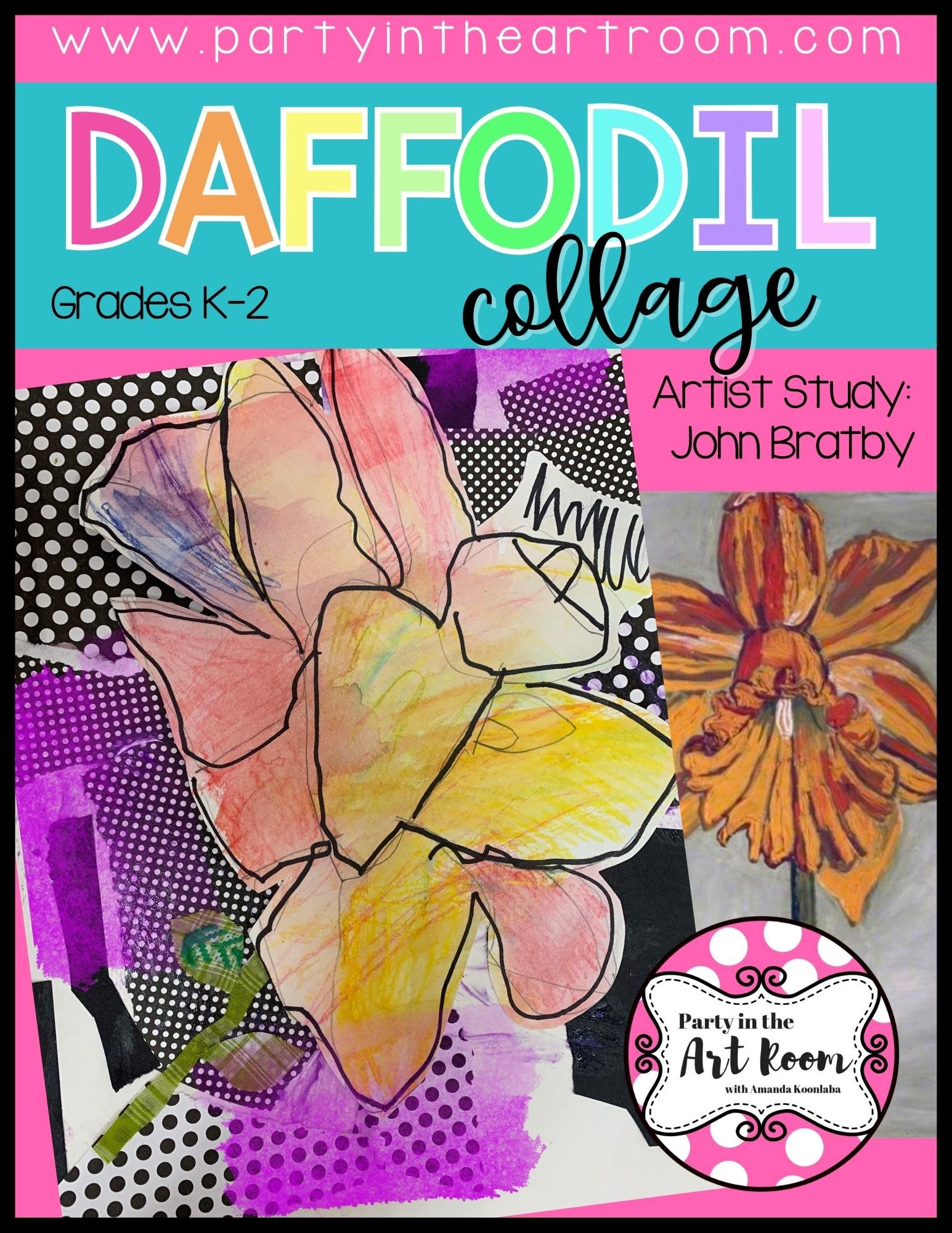
I want all students to feel successful in the art room, so I created a standards-based Daffodil Collage lesson to do just that! The lesson includes an artist study, student reflection, and more, so push your artists to their full potential.


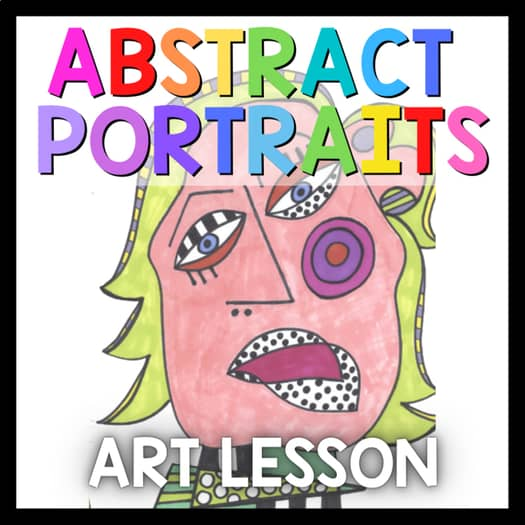
Are you planning an abstract art lesson inspired by Paul Klee? Are your students going to create abstract portraits? Here’s an engaging and vibrant lesson to enhance your curriculum! This resource is an ideal addition to your elementary art plans, bringing creativity and excitement to your classroom.
Transform simple brushstrokes into expressive watercolor portraits with Party in the Art Room's playful face-painting techniques that build confidence and creativity.
Watch colors bloom and blend as you create unique watercolor faces using approachable techniques perfect for any skill level. This bonus lesson extends your Lemon Tree course journey with step-by-step video instruction that makes portrait painting feel effortless and fun.
Step-by-step video instruction
Color blending techniques
Expressive portrait methods
Builds on Lemon Tree course
All skill levels welcome
Unlike intimidating portrait tutorials, this lesson encourages experimentation with playful techniques that celebrate imperfection - perfect for discovering your unique artistic voice.
Add to Cart for watercolor creativity.