How to Teach Art When Only One Kid Wants to Participate: Tips for Real-Life Classrooms
There’s always that one student. The one who dives right in when you say it’s time for art. The one whose eyes light up when they see markers or glue sticks or (heaven help us) glitter.
But what do you do when that’s the only kid who wants to participate?
Listen, I’ve taught in every kind of setting—from busy classrooms full of wiggle-worms to one-kid homeschool days at my own kitchen table. And I can tell you with full confidence: you don’t need a whole room of eager little artists to make art time meaningful.
You just need one willing kid. One pair of hands. One set of curious eyes. One person to get things rolling.
That one student? They are not a problem. They are a blessing. Let’s talk about what to do with that beautiful spark of engagement—and how to gently, quietly, and lovingly coax the others out from behind their emotional walls or “too cool” masks.
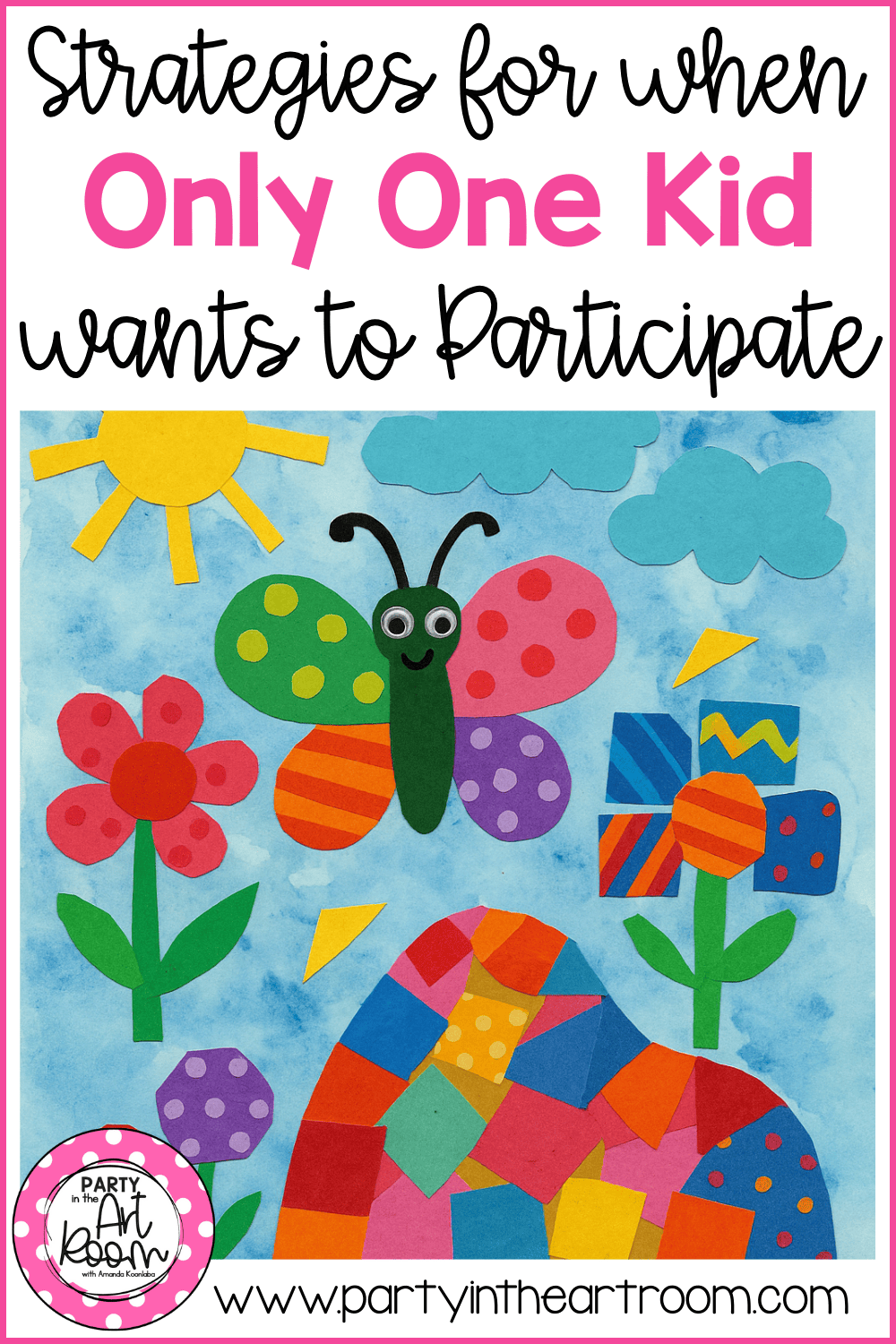
One engaged student can spark creativity in powerful ways, especially when they feel free to explore bold colors, playful ideas, and their own artistic voice.
First, take a breath.
When you’ve prepped a whole lesson—cut the paper, poured the paint, sharpened all the pencils—and only one kid is participating, it’s normal to feel frustrated or defeated.
But here’s your reframe: your job isn’t to force everyone to be excited. Your job is to offer an invitation to creativity. And if one kid RSVPs? That’s a great party already.
Strategy 1: Let that one student shine.
Seriously—make them your co-teacher for the day. Ask them to demo the materials. Let them choose which color you model with. Have them help pass out supplies. Let them be the glue guru or the oil pastel queen.
Kids love to feel special. And when other students see that art time = attention, respect, and leadership opportunities, they might just start leaning in too.
(And if they don’t? That’s okay. You’re still building relationships. You’re still showing them that art is a safe space.)
Strategy 2: Invite casual engagement.
Some kids just need a side door into participation. So instead of saying, “Come sit and draw,” try:
● “Hey, can you help me choose which paper to use?”
● “I need someone to hold the glue while I pass this out.”
● “Would you be in charge of putting the lids back on the markers?”
No pressure. No lecture. Just small tasks that make them part of the process.
Sometimes kids want to be included before they want to be creative. Let that be okay.
Strategy 3: Set up parallel play.
If you’ve ever been around toddlers, you know that sometimes they play near each other, not with each other—and it still counts.
The same idea applies here.
Have a little table or area where students can draw quietly or organize supplies or even just watch without pressure. Lay out some scrap paper and markers with zero instructions.
You’ll be surprised how often a kid will wander over “just to look” and end up scribbling away ten minutes later.
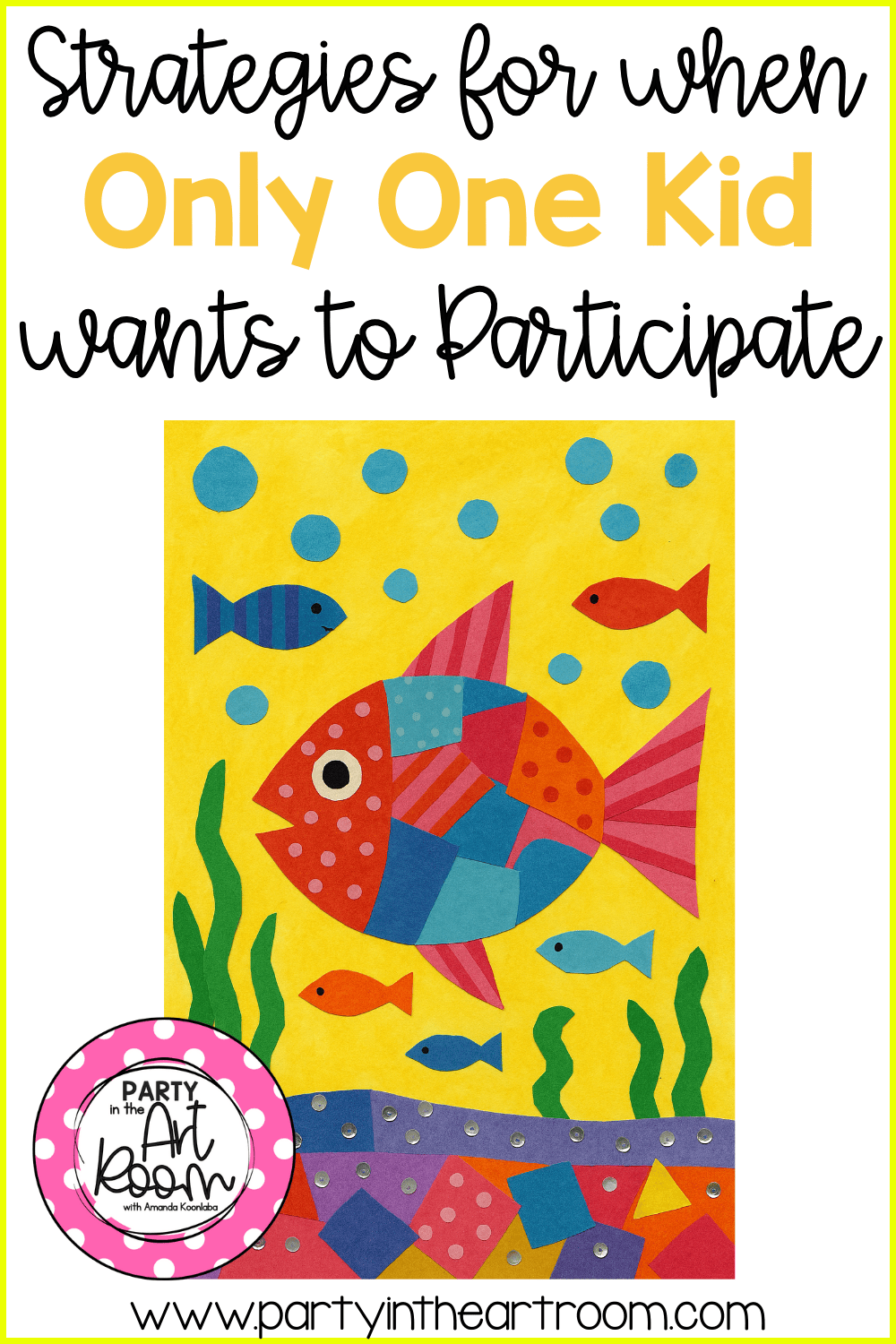
Parallel play invites students to participate without pressure, letting observation and quiet curiosity naturally turn into creative action.
Strategy 4: Add storytelling and silliness.
One of my favorite tricks is turning the art supplies into characters.
“This marker is in a BAD mood today and refuses to color inside the lines.”
“This paintbrush? Only dances in circles. No straight lines allowed.”
Kids love a little ridiculous. A little play. And when they feel like they’re entering a story, not a structured activity, participation feels less scary.
Bonus: it also lowers the pressure to make “good” art and shifts the focus to fun.
Strategy 5: Celebrate tiny wins.
It doesn’t matter if only one kid finishes the full project. If another kid touched a pastel for two seconds? That counts.
Maybe someone added one sticker and then walked away. Still counts.
Every bit of engagement is a seed planted. Every moment they observe, question, or consider participating is part of the journey.
Celebrate that one student who did participate like they just won an Oscar. And quietly thank the others for showing up, sitting nearby, or helping in any way.
Keep showing up.
I can’t say this enough: consistency matters. You may not see the results this week—or even this month. But every time you bring out art supplies with kindness, patience, and zero judgment, you’re building trust.
And one day, when a student who “never” participates quietly picks up a crayon and draws one line?
You’ll know exactly what to do: smile, nod, and hand them the glitter.
Need an easy win to start?
Try my Garrett May-Inspired Cow Pastel Lesson. It’s one of my all-time favorites for hesitant artists because it’s simple, silly, and looks stunning when finished. Plus, it sneaks in art vocabulary and technique like line, texture, and blending—all while drawing cows!
Because sometimes all it takes is one cute cow to get a whole class moo-ving in the right direction.
More GREAT IDEAS:


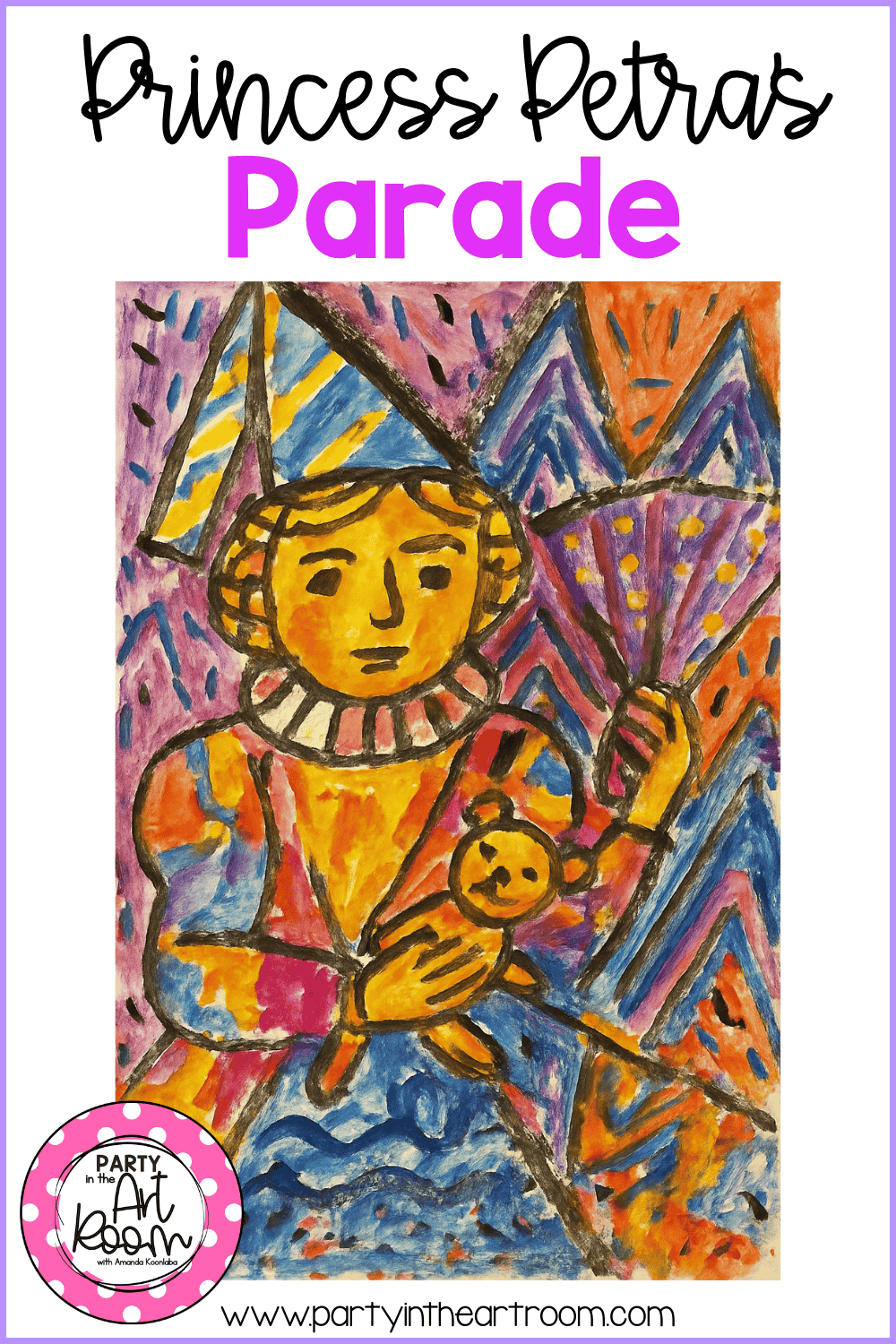


Designed specifically for classroom use, these worksheets provide a template for your students to explore the concepts of tints and shades while developing their artistic skills. Whether you're looking for a way to enhance your art curriculum or just want to inject some creativity into your classroom, these worksheets are sure to inspire your students!

Check out discounts, deals, and recommendations on all our artsy faves!
Affiliate Disclosure: Party in the Art Room is supported by its audience. When you purchase through links on this site, a commission may be earned.
Get to know Amanda Koonlaba!
Hi! I’m Amanda. Teaching children to be creative thinkers is my greatest joy. I’m here to help you bring that same joy to your classroom.

This guide is packed with 25 ideas for using art to teach math and ELA. It’s arts integration for the win!
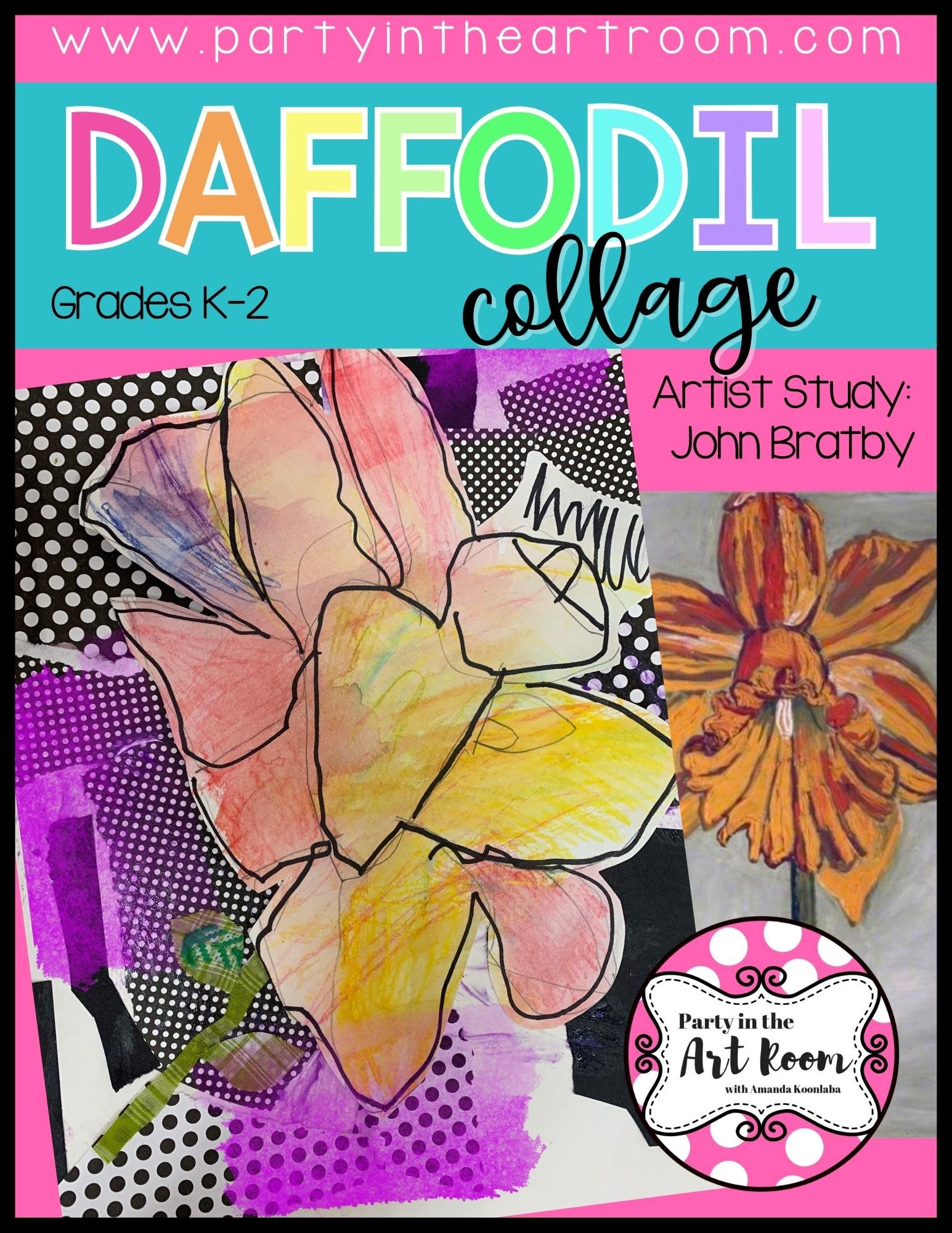
I want all students to feel successful in the art room, so I created a standards-based Daffodil Collage lesson to do just that! The lesson includes an artist study, student reflection, and more, so push your artists to their full potential.


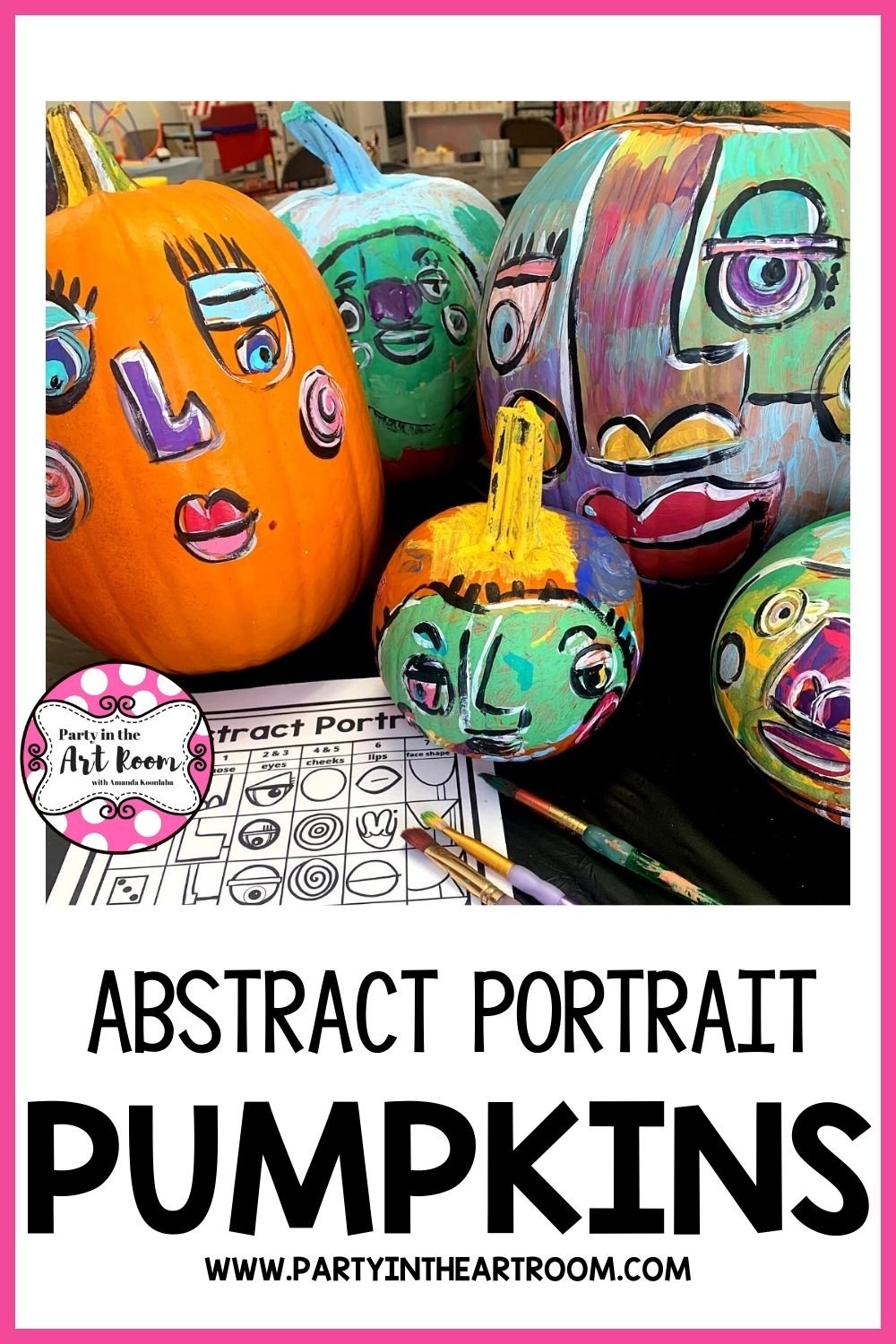
Are you planning an abstract art lesson inspired by Paul Klee? Are your students going to create abstract portraits? Here’s an engaging and vibrant lesson to enhance your curriculum! This resource is an ideal addition to your elementary art plans, bringing creativity and excitement to your classroom.
Transform your classroom into a desert oasis with Party in the Art Room's engaging cactus watercolor lesson exploring warm and cool color relationships.
Students discover color theory through guided cactus drawings while developing watercolor techniques that bring their desert landscapes to life. This comprehensive desert cactus art lesson combines Master Works analysis with hands-on creation, building confidence through structured artistic exploration.
Warm and cool color study with watercolors
Guided drawing instructions included
Standards alignment and assessments provided
Master Works analysis for deeper learning
Student and teacher reflection sheets
Unlike simple cactus crafts, this desert cactus art lesson teaches line, shape, pattern, and texture while students create gallery-worthy desert artwork perfect for stunning hallway displays.
Add to Cart for vibrant desert creativity.