Creative Curriculum vs. Connection: How to Choose Your Focus
Spoiler: You don’t have to pick one.
Let’s talk about that big, juicy tension every art teacher or homeschool parent eventually faces:
Do I stick to the curriculum... or follow the kids’ interests?
Maybe your plan says “monochromatic landscapes,” but your students want to draw slime monsters. Maybe your pacing guide says “folk art” and your child just discovered space pirates.
Sound familiar?
This push-pull between curriculum and connection is real. And the truth is—you don’t have to choose one forever. You just have to know when to lean into each.
Let’s unpack this in a way that’s both realistic and encouraging (because you don’t need more pressure—you need a plan that works with real kids in real life).
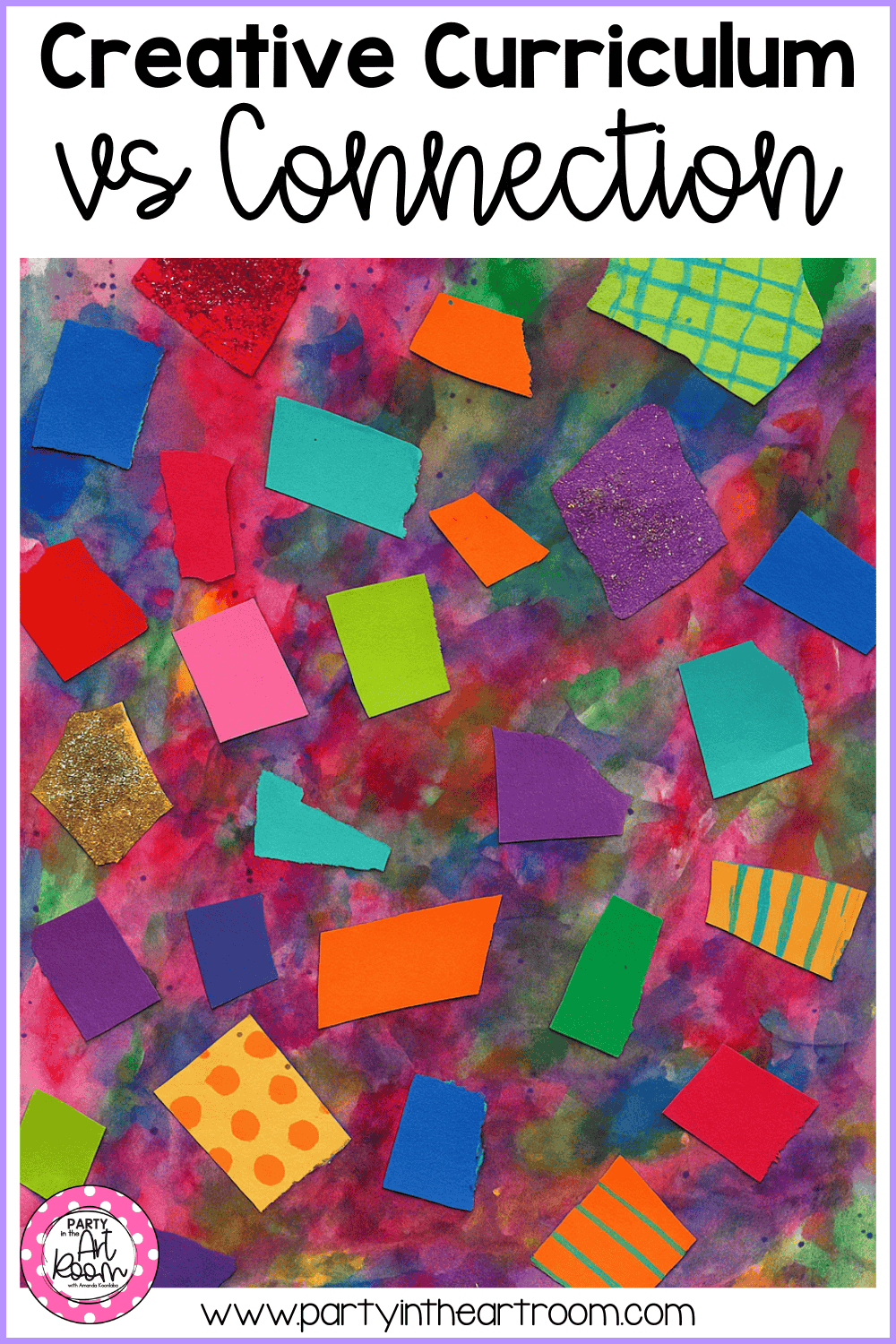
Blended colors and layered collage materials reflect how structured goals and student interests can coexist in meaningful art lessons.
🎯 Step 1: Start With the Learning Goal
What’s your actual objective for the lesson?
Maybe it’s:
● Explore line and pattern
● Practice symmetry
● Experiment with mixed media
● Learn a color concept like complementary or warm/cool
This is your anchor.
Even when your students seem laser-focused on drawing Roblox avatars, your learning goal gives you something solid to hold onto. It reminds you that the content can flex, even if the concept doesn’t.
👀 Step 2: Pay Attention to the Energy
If the room feels like molasses and no one wants to do the perfectly planned activity, it’s okay to shift gears.
Ask yourself:
● What are they excited about right now?
● What have they been drawing in their sketchbooks?
● What books or shows are they talking about?
When you build in even one student-led connection, you get more buy-in and deeper engagement. I call this “the art smoothie method”—you sneak the spinach (your goals) into a delicious blend of things they already love.
🧩 Step 3: Mash ‘Em Up
You don’t have to abandon your content to make room for connection. You just have to find the bridge.
For example:
● Need to teach symmetry? Let them design a symmetrical alien or insect.
● Working on blending? Try a Garrett May-inspired oil pastel cow instead of fruit.
● Studying pattern and texture? Make plaster masks of imaginary animals. (More on that below!)
🎨 Lesson Link: Try these Plaster Wrap Animal Masks. They’re a little messy, totally magical, and sneak in texture, shape, and 3D form without feeling overly “lesson-y.”
🧠 Curriculum Has Its Place
Don’t worry—I’m not here to throw structured lessons out the window. A well-planned curriculum:
● Ensures skill progression
● Covers standards
● Builds student confidence
● Takes pressure off you when you’re tired or just done
It’s not a bad thing. In fact, a creative curriculum is a huge gift—especially if you’re juggling multiple subjects, grade levels, or schedules.
You just want to avoid going full robot with it. The best curriculum leaves room for joy and flexibility.
❤️ Connection Builds Trust and Joy
Letting students bring their interests into the lesson shows them that:
● Their ideas matter
● Art is personal
● Creativity is flexible
This builds trust. It makes them more willing to try hard things. And honestly? It makes teaching a whole lot more fun.
Even if only one kid out of twenty is super into drawing robots, honoring that gives everybody permission to care more deeply about their work.
👩🎨 Real-Life Tip: One year, I had a group that was obsessed with mushrooms. Like, they were drawing fungi in every sketchbook. So we ditched our original spring unit and made Toadstool Mushroom Paintings instead. Still covered texture, shape, and layering—and they were so into it.
⚖️ When to Choose Curriculum First
Go with curriculum when:
● You’re introducing a new concept or skill
● You’re short on time or prep
● You’re working with large groups or sub plans
● You’re trying to hit standards or document growth
💡 Need a curriculum-based option that still feels fun? This Intro to Art for Kids workbook is a great tool. It walks students through 26 famous works of art, builds reflection skills, and includes full-color images. Great for classroom centers or homeschool quiet time.
🌈 When to Choose Connection First
Lean into connection when:
● Students are disengaged or burned out
● You’re noticing repeated personal themes in their work
● You want to build classroom culture or emotional literacy
● You’re using art for self-expression, SEL, or trauma-informed practice
💛 In these moments, open-ended prompts or collaborative projects go a long way. Try one of these:
● Heart-Themed Integration Projects
● Abstract Pumpkin Portraits for expression with color
🧰 Optional: Keep a “Bridge Binder”
Not a real binder, unless you’re fancy. Just a mental file (or a folder on your drive) of lesson ideas that bridge curriculum and connection.
Great examples:
● Cow Skull Dice Game: combines choice, chance, and art history
● Drawing Practice Workbook: lets students practice skills while still choosing their path
● Color Theory Projects: flexible topic with tons of creative options
✍️ Reflection Questions (for you or your students!)
Want to help students build awareness of why they're creating something? Try adding a quick reflection prompt at the end of any project:
● What part of this art lesson did you like most?
● Did you learn something new or use something you already knew?
● If you could do it again, what would you change?
And for you as the teacher:
● Did this project meet the learning goal?
● Did students seem invested?
● How can I blend more student interest into the next lesson?
💡 Final Thoughts
You don’t have to pick between creative curriculum and connection. You’re allowed to use both. In fact, the best art instruction happens when we honor our kids’ interests and our teaching goals.
When students feel seen and challenged, you get engagement, growth, and joy. And really, that’s what we’re here for, right?
So trust yourself.
You don’t have to follow every detour your students want to take—but when the energy is there, let it guide you. Sneak the spinach into the smoothie. And give yourself the freedom to teach art the way you know it works.
👉 Want a lesson that mixes structure and freedom?
Try my Cow Skull Dice Roll Game. It’s one of my bestsellers because it lets kids explore drawing their way, while still tying into standards and art history.
Looking for more bridge lessons?
Try How to Use Symmetry with Architectural Art or Heart Math Integration Projects.
You Might Also Be Interested In:



Expand Creativity with Symmetry Drawing Worksheets
Dive deeper into symmetry with our specially designed symmetry drawing worksheets. These engaging activities challenge students to complete intricate designs while honing their understanding of symmetrical balance. Perfect for classrooms or homeschool settings, these worksheets make learning symmetry both fun and artistic.

Shop Workbooks on Amazon
Affiliate Disclosure: Party in the Art Room is supported by its audience. When you purchase through links on this site, a commission may be earned.
Get to know Amanda Koonlaba!
Hi! I’m Amanda. Teaching children to be creative thinkers is my greatest joy. I’m here to help you bring that same joy to your classroom.

This guide is packed with 25 ideas for using art to teach math and ELA. It’s arts integration for the win!
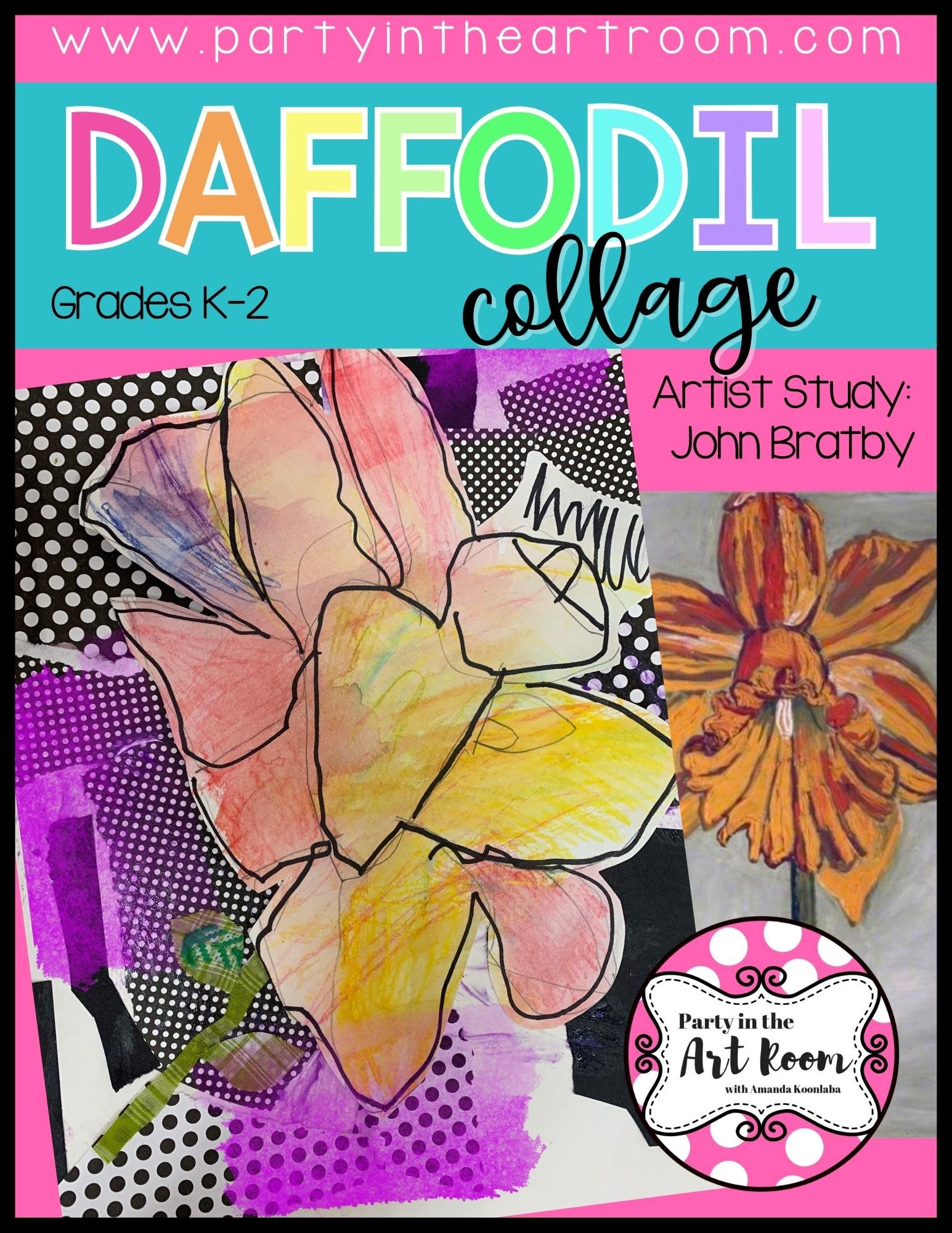
I want all students to feel successful in the art room, so I created a standards-based Daffodil Collage lesson to do just that! The lesson includes an artist study, student reflection, and more, so push your artists to their full potential.


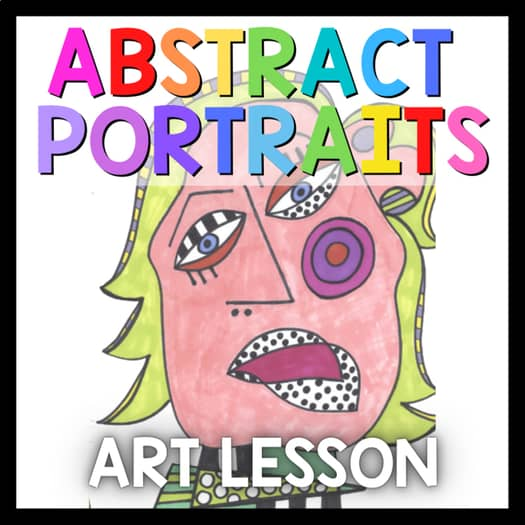
Are you planning an abstract art lesson inspired by Paul Klee? Are your students going to create abstract portraits? Here’s an engaging and vibrant lesson to enhance your curriculum! This resource is an ideal addition to your elementary art plans, bringing creativity and excitement to your classroom.
Transform simple brushstrokes into expressive watercolor portraits with Party in the Art Room's playful face-painting techniques that build confidence and creativity.
Watch colors bloom and blend as you create unique watercolor faces using approachable techniques perfect for any skill level. This bonus lesson extends your Lemon Tree course journey with step-by-step video instruction that makes portrait painting feel effortless and fun.
Step-by-step video instruction
Color blending techniques
Expressive portrait methods
Builds on Lemon Tree course
All skill levels welcome
Unlike intimidating portrait tutorials, this lesson encourages experimentation with playful techniques that celebrate imperfection - perfect for discovering your unique artistic voice.
Add to Cart for watercolor creativity.