Connecting as a Family Around Works of Art
When I say “family bonding,” most people think board games, pizza nights, or everyone trying (and failing) to build IKEA furniture without losing their minds. But one of the easiest—and most meaningful—ways to connect as a family is through art.
And no, I’m not talking about setting up a giant easel in your living room or planning a full-blown museum tour with matching outfits and a color-coded itinerary (though if that’s your thing, go for it).
I’m talking about something much simpler. Something you can do in pajamas. Around the dinner table. Even during breakfast if the mood strikes.
I’m talking about looking at and talking about art together.
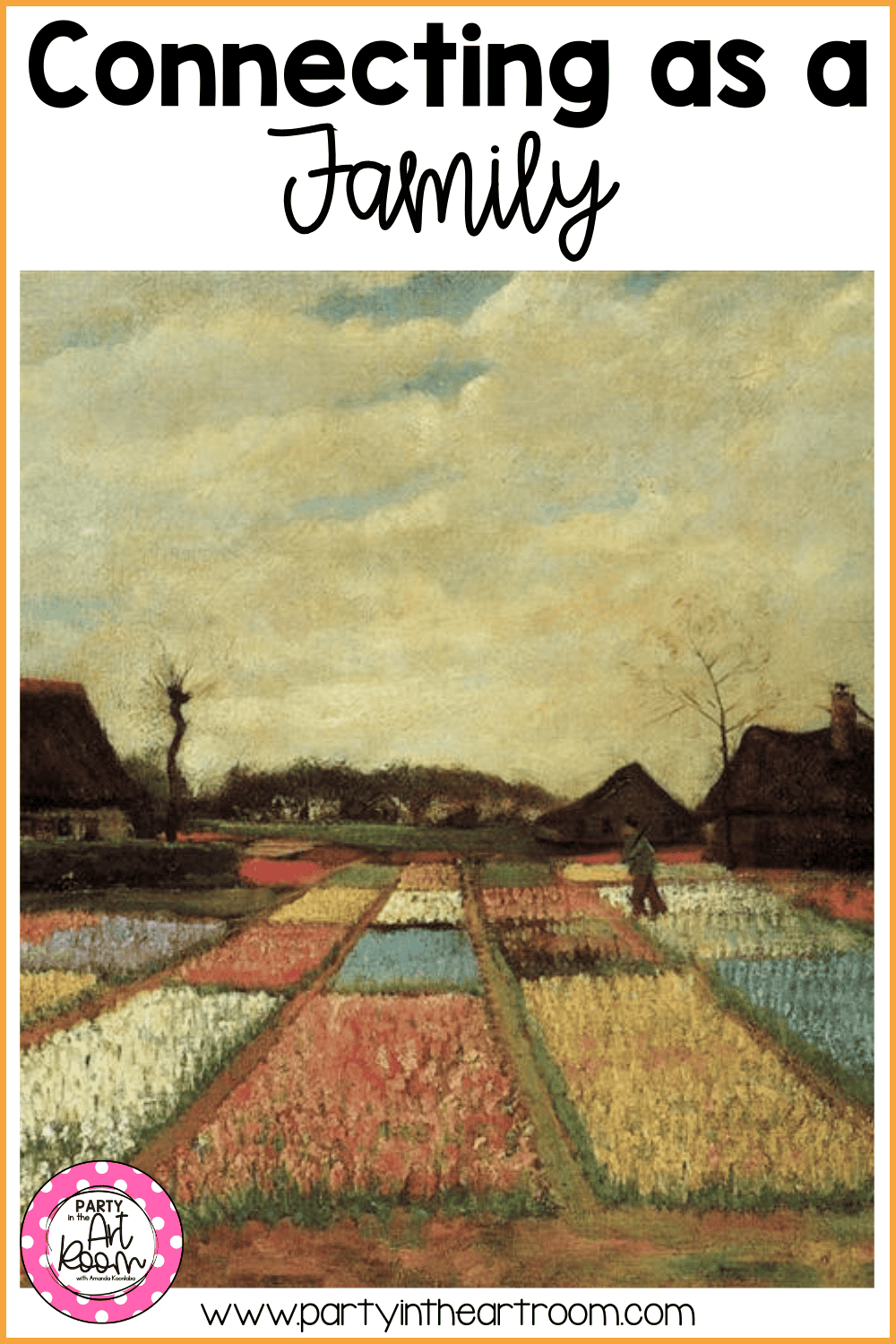
A single artwork can become a shared moment of curiosity, inviting families to slow down, notice details, and start a conversation together.
Why bother?
Well, for starters, art slows us down. It pulls us out of the everyday rush and into a moment of curiosity and wonder. It gives us something to talk about that doesn’t involve chores, homework, or “what’s for dinner.”
Even better? You don’t need any supplies or prep. You just need a picture, a little time, and the willingness to be curious together.
Here’s how to get started:
Step 1: Choose your art.
It can be anything—seriously.
● A painting from a book
● A photo from a calendar
● A weird sculpture someone spotted on a walk
● Even the cover of a cereal box (some of those are wild, y’all)
Step 2: Look at it together.
This part matters. Sit down and give the image your full attention. Phones down. Just be present.
Step 3: Ask open-ended questions.
You don’t need to sound like an art historian. You just need to wonder out loud.
Try these:
● What do you think is happening in this picture?
● How does it make you feel?
● What would this artwork sound like if it had music?
● If we stepped inside this picture, what would we see or smell?
● What do you like or not like about it?
You might be amazed at the range of answers—from the insightful to the hilarious to the downright surreal.
And yes, it totally counts if the conversation takes a detour into poop jokes. It’s still connection.
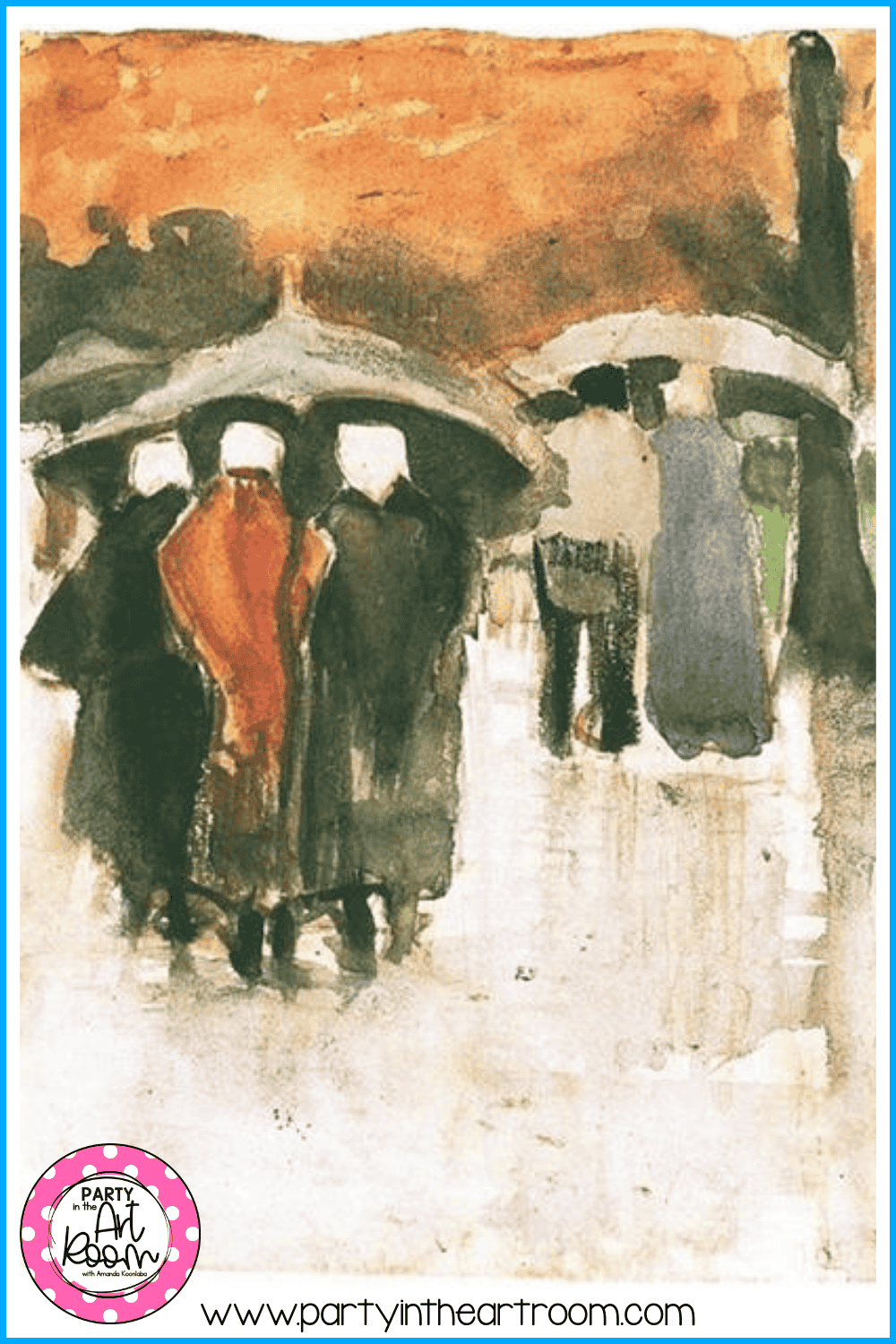
Art invites questions, feelings, and stories, turning simple observations into meaningful family conversations.
Add a little twist for extra fun:
If your family’s into it, take it one step further with these easy add-ons:
● Draw Your Own Version: Each person draws their interpretation or “what happens next” in the scene.
● Give It a New Title: Rename the artwork based on how it makes you feel.
● Guess the Story: Come up with backstories for the characters or setting.
● Build a Playlist: Choose a song that matches the vibe of the piece.
None of this has to be fancy. The goal isn’t perfect drawings or brilliant critiques. It’s engagement. It’s shared laughter. It’s thinking creatively together.
And honestly, if you can get a teenager to look up from their phone and say, “Huh, that’s kinda cool,” I say that’s a win.
What if you’re homeschooling?
Even better! This is a ready-made critical thinking activity. You can use it for:
● Morning meetings
● Discussion prompts
● Journaling
● Creative writing starters
● Cross-curricular connections (hello, history, science, and language arts!)
You can even create a “Family Art Journal” where everyone adds their own thoughts or drawings in response to an artwork each week. Over time, you’ll have a beautiful record of how your family saw the world—together.
Final thoughts
You don’t need to spend a fortune or plan elaborate projects to bring art into your home. Just a simple image, a few minutes, and a willingness to wonder out loud with your kids.
Because when families talk about art, they’re really talking about feelings, ideas, stories, and imagination. And those conversations? They’re the kind that stick.
👉 Want a ready-to-go art activity that’s perfect for the whole family?
Check out my Peter Rabbit Monoprinting Lesson. It combines storytelling, fine motor skills, and watercolor play—all wrapped up in a charming springtime theme. Plus, it’s just as fun for grownups as it is for kids.
You Might Also Be Interested In:



Expand Creativity with Symmetry Drawing Worksheets
Dive deeper into symmetry with our specially designed symmetry drawing worksheets. These engaging activities challenge students to complete intricate designs while honing their understanding of symmetrical balance. Perfect for classrooms or homeschool settings, these worksheets make learning symmetry both fun and artistic.

Shop Workbooks on Amazon
Affiliate Disclosure: Party in the Art Room is supported by its audience. When you purchase through links on this site, a commission may be earned.
Get to know Amanda Koonlaba!
Hi! I’m Amanda. Teaching children to be creative thinkers is my greatest joy. I’m here to help you bring that same joy to your classroom.

This guide is packed with 25 ideas for using art to teach math and ELA. It’s arts integration for the win!
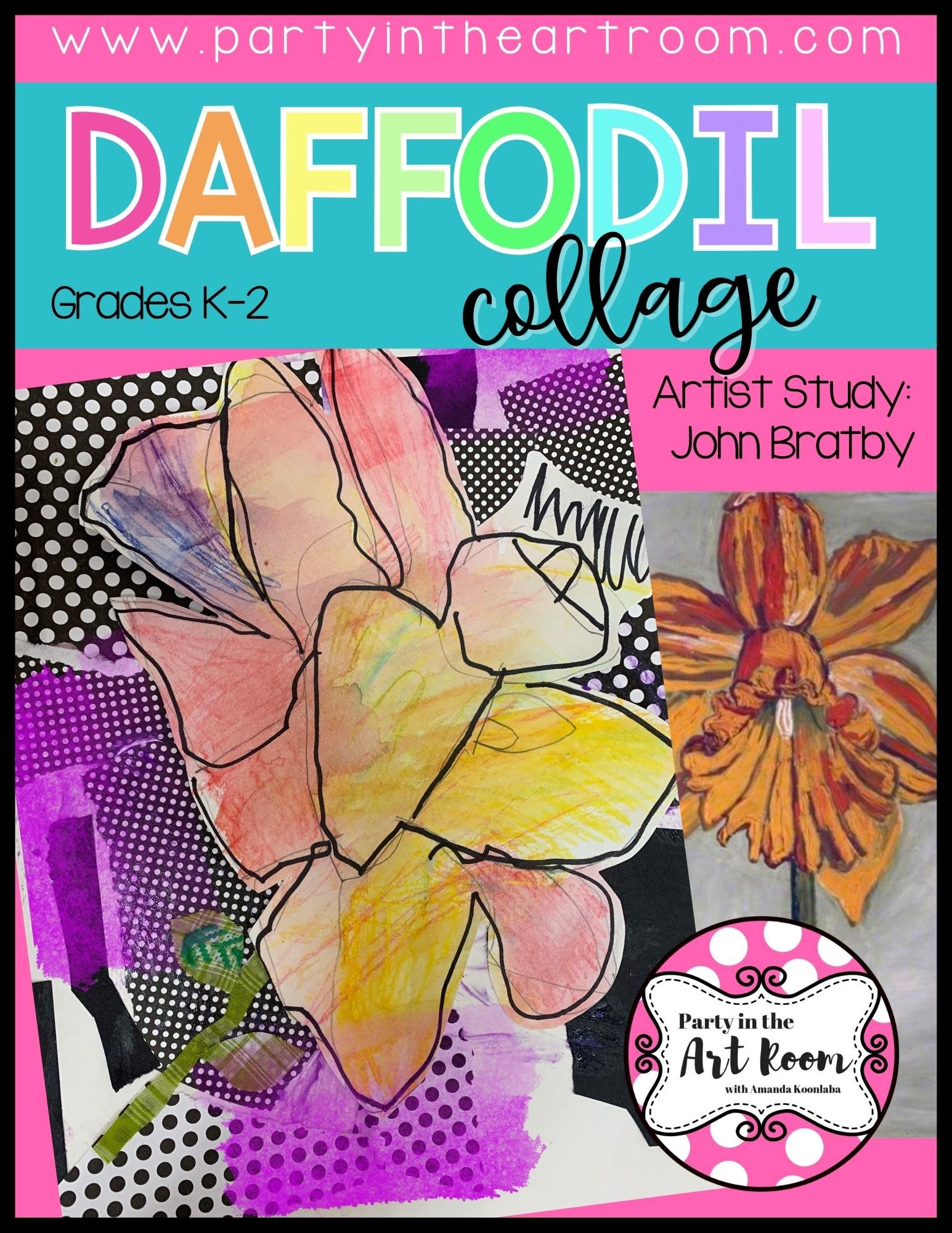
I want all students to feel successful in the art room, so I created a standards-based Daffodil Collage lesson to do just that! The lesson includes an artist study, student reflection, and more, so push your artists to their full potential.


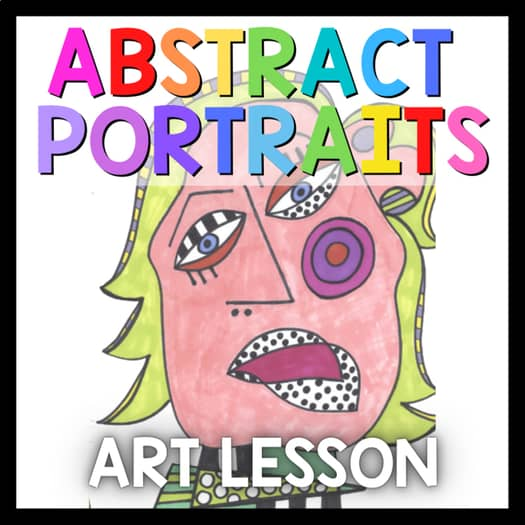
Are you planning an abstract art lesson inspired by Paul Klee? Are your students going to create abstract portraits? Here’s an engaging and vibrant lesson to enhance your curriculum! This resource is an ideal addition to your elementary art plans, bringing creativity and excitement to your classroom.
Transform simple brushstrokes into expressive watercolor portraits with Party in the Art Room's playful face-painting techniques that build confidence and creativity.
Watch colors bloom and blend as you create unique watercolor faces using approachable techniques perfect for any skill level. This bonus lesson extends your Lemon Tree course journey with step-by-step video instruction that makes portrait painting feel effortless and fun.
Step-by-step video instruction
Color blending techniques
Expressive portrait methods
Builds on Lemon Tree course
All skill levels welcome
Unlike intimidating portrait tutorials, this lesson encourages experimentation with playful techniques that celebrate imperfection - perfect for discovering your unique artistic voice.
Add to Cart for watercolor creativity.