Weekly Art Routines that Actually Work
Let’s get real: homeschool life already has enough unpredictability built in. That’s why I love using weekly art routines to create a sense of rhythm and calm. It doesn’t have to be elaborate or Pinterest-perfect—it just has to work. And when it works? It’s like flipping a switch from chaos to creativity.
In this post, I’m sharing the exact weekly art schedule I use (yes, the one I came up with after years of trial and error), plus tips, supply ideas, and project links to keep your kids engaged and your sanity intact.
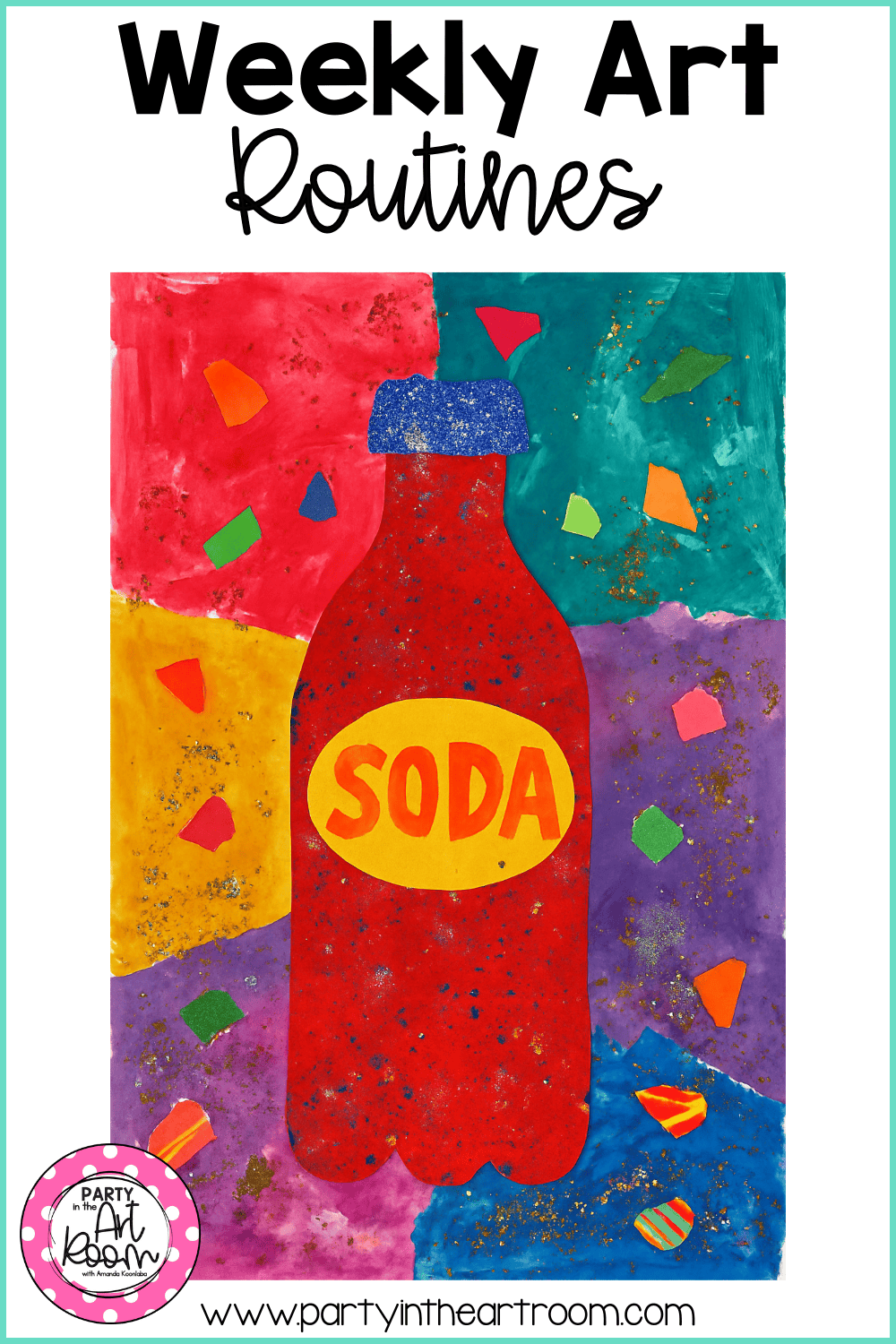
Simple, repeatable art activities help create calm and creative rhythm in a homeschool routine.
Why a Weekly Art Routine Matters
Kids thrive on routine, and art is no exception. Having a consistent art rhythm:
● Reduces decision fatigue (for you and your kids!)
● Creates anticipation for fun learning
● Gives you an easy structure to fall back on
● Reinforces skills and concepts through repetition
And listen—I’ve taught in classrooms and around my kitchen table. This works in both settings.
My No-Fail Weekly Art Schedule
Here’s the simple framework I use:
Monday: Art + Literature Start the week with something gentle and engaging, like pairing a read-aloud with a drawing or painting project. Our favorite? Peter Rabbit Monoprinting. It combines storytelling, tracing, and painting—all without overwhelming the day.
Wednesday: Process Art Wednesdays We dive into process-based projects where the journey matters more than the final product. Think: tissue paper collages, oil pastel smearing, or ink-and-water resist paintings. It’s all about exploration. (Check out our Plaster Animal Mask project for a more tactile twist!)
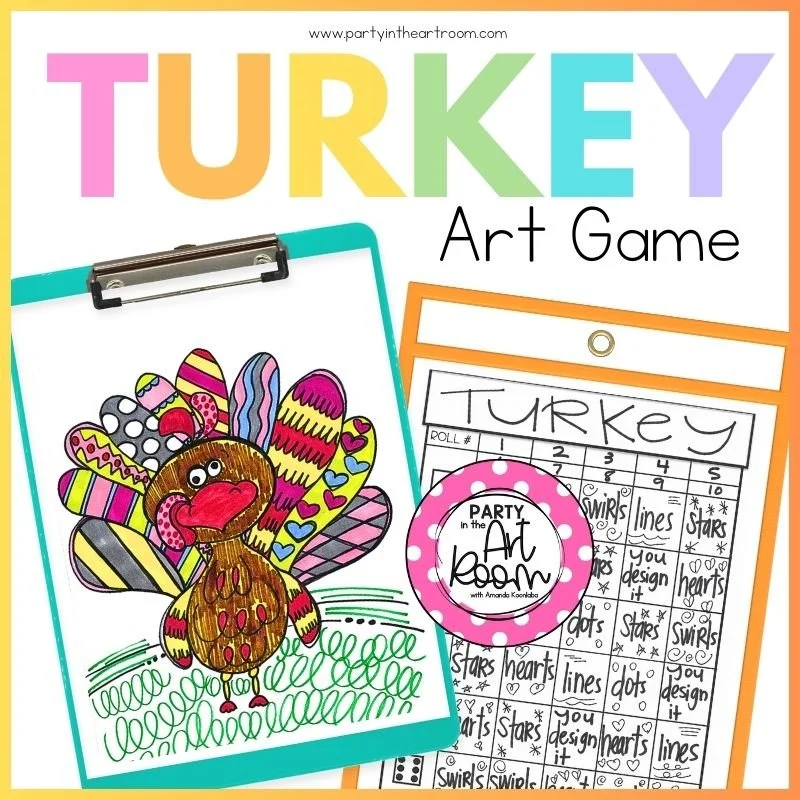
Friday: Art Game Day We finish strong with something playful and self-directed like the Cow Skull Dice Roll Game. It doubles as art, literacy, and a calming activity for Friday afternoons.
What Makes It Work
This routine sticks because:
● It’s flexible. If we miss Monday, we slide into Tuesday. No guilt.
● It covers a range of art skills throughout the week.
● It ties into our homeschool themes.
And best of all—it keeps art fun instead of “another thing to check off.”
Easy Prep, Minimal Mess Supplies
If you’re worried about your kitchen table turning into a glitter explosion, don’t. Here are my go-to weekly supplies:
● Pre-printed templates from our TPT shop
Pro tip: Store everything in a rolling cart by day or medium. It’s magical.
Adapting the Routine for Multiple Ages
If you’re teaching a kindergartner and a middle schooler at the same time, I see you. Here’s how to make weekly art work across age groups:
● Use the same project, but vary the complexity.
● Let big kids take the lead helping younger siblings.
● Keep a stash of advanced art prompts on hand for early finishers.
One example: for our Cow Drawing Lesson, my littles focused on shapes and smearing with baby oil. My older kids compared oil pastels to oil paint and researched Mississippi-based artist Garrett May. Same lesson, different depth.
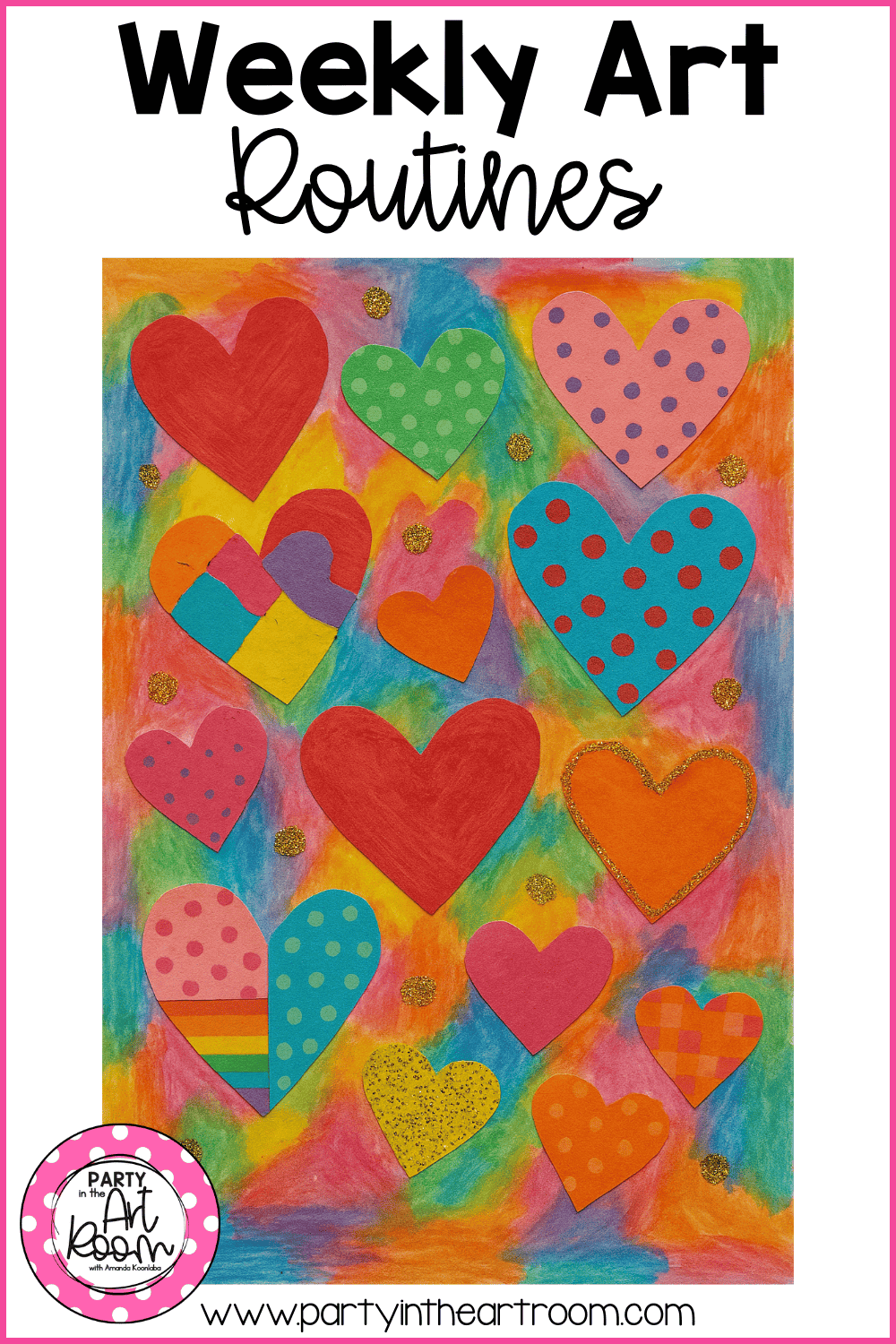
Process-based art encourages exploration while fitting easily into a weekly routine.
Sample Weekly Themes (Plug & Play!)
Still not sure what to plan? Try these pre-made weekly combos:
Animals Week:
● Monday – Read “Giraffes Can’t Dance” + oil pastel jungle drawings
● Wednesday – Make Plaster Wrap Animal Masks
● Friday – Cow Dice Roll Game
Spring Week:
● Monday – Peter Rabbit Prints
● Wednesday – Flower painting with Q-tips and tempera
● Friday – Free draw from a spring word list
Art + Science Week:
● Monday – Color mixing experiment with paints
● Wednesday – Compare oil vs. acrylic mediums (demo style)
● Friday – Baby oil blending with oil pastels
Troubleshooting Common Challenges
“My kid doesn’t want to do art.” Start with choice-based projects. Let them pick their subject or colors. Avoid correcting their work and just let them explore.
“We always run out of time.” Move art to a “center” that kids rotate to. Or do a Friday-only art block and call it Fine Art Fridays.
“It’s too messy.” Try dry media (like colored pencils or pastels) for midweek and save the paint for Fridays when you can lean into the mess.
Final Thoughts: Make It Work for YOU
The best routine is the one that works for your family. If that means Art Tuesdays and Free-Draw Saturdays? Great. The point is to make art a consistent, joyful part of your homeschool—not a stressor.
Want help getting started? Bookmark our blog archive or check out our ready-to-go lesson plans.
You’ve got this. And if it helps… even if all you do is scribble with your kids while sipping lukewarm coffee, that counts as art. Promise.
You Might Also Be Interested In:
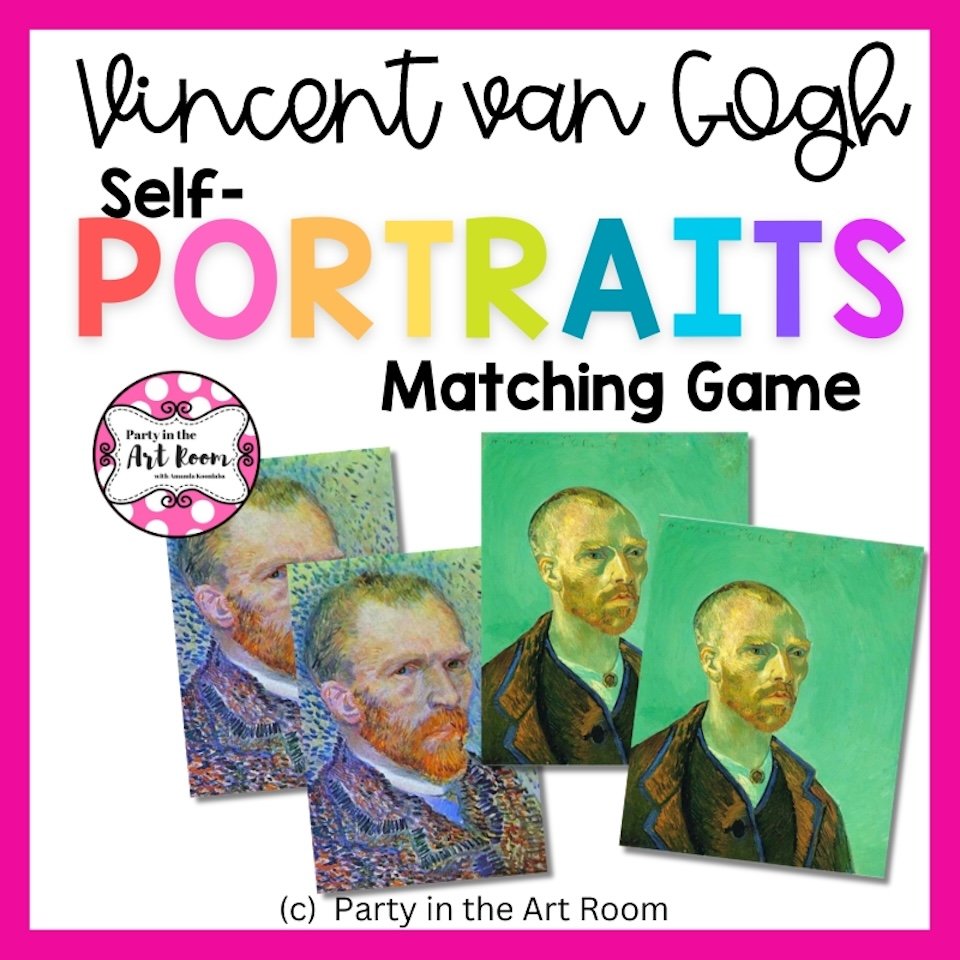
Inside this free PDF, you'll find a treasure trove of van Gogh's self-portraits, each capturing the essence of the artist's unique style and introspection. From his early works to his later masterpieces, this collection showcases the evolution of van Gogh's self-representation throughout his remarkable career.
As students pair the self-portraits, they will develop visual recognition skills, explore color and brushstroke techniques, and gain a deeper understanding of van Gogh's artistic journey.

Check out discounts, deals, and recommendations on all our artsy faves!
Affiliate Disclosure: Party in the Art Room is supported by its audience. When you purchase through links on this site, a commission may be earned.
Get to know Amanda Koonlaba!
Hi! I’m Amanda. Teaching children to be creative thinkers is my greatest joy. I’m here to help you bring that same joy to your classroom.

This guide is packed with 25 ideas for using art to teach math and ELA. It’s arts integration for the win!
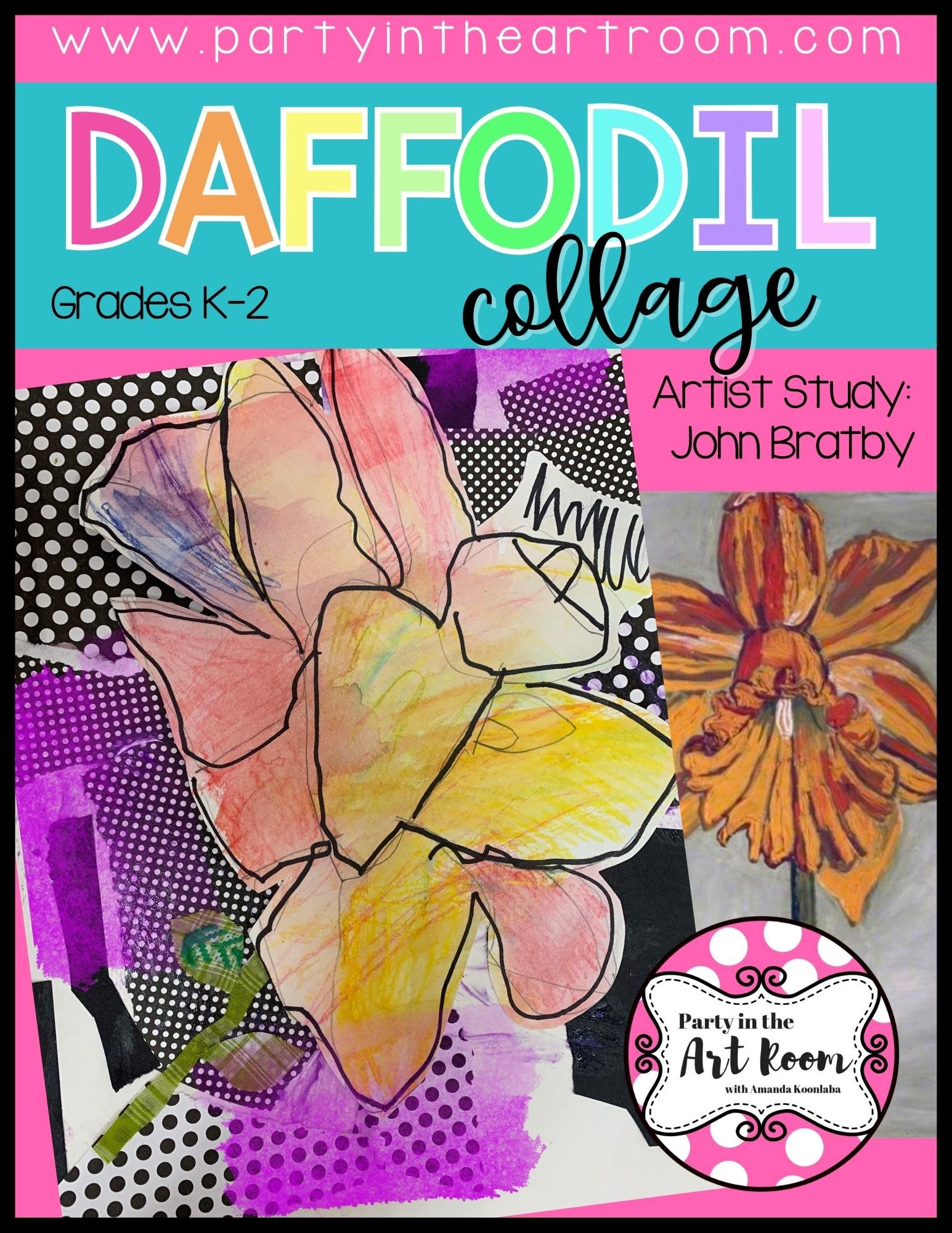
I want all students to feel successful in the art room, so I created a standards-based Daffodil Collage lesson to do just that! The lesson includes an artist study, student reflection, and more, so push your artists to their full potential.


Are you planning an abstract art lesson inspired by Paul Klee? Are your students going to create abstract portraits? Here’s an engaging and vibrant lesson to enhance your curriculum! This resource is an ideal addition to your elementary art plans, bringing creativity and excitement to your classroom.
Between 1927 and 1930, Edward Hopper painted two landscapes. These landscapes featured the Two Lights lighthouse in Cape Elizabeth, Maine. His play of sunlight and shadow across the buildings offered rich formal possibilities. For this art teacher, I saw the possibilities of offering my 5th grade art students a lesson they would remember.