Crocodiles in Sneakers (and Other Silly Surprises): An Upper Elementary Art and Poetry Project
There’s nothing quite like the energy of upper elementary students deep in the creative zone — when the room hums with excitement, paintbrushes wave like magic wands, and someone is earnestly explaining why their crocodile had to wear sneakers.
This wasn’t just a drawing day. It was a whole vibe. A jungle-fashion-show-meets-poetry-slam kind of day. And it all started with a mixed media lesson I created — a project built around personality-packed crocodile artwork and playful, poetic storytelling.
That’s right — the whimsical crocodile design, complete with sneakers, floral crowns, and a whole lot of attitude? That concept came straight out of my sketchbook and into the hands of my students. And let me tell you, they took it to the next level.
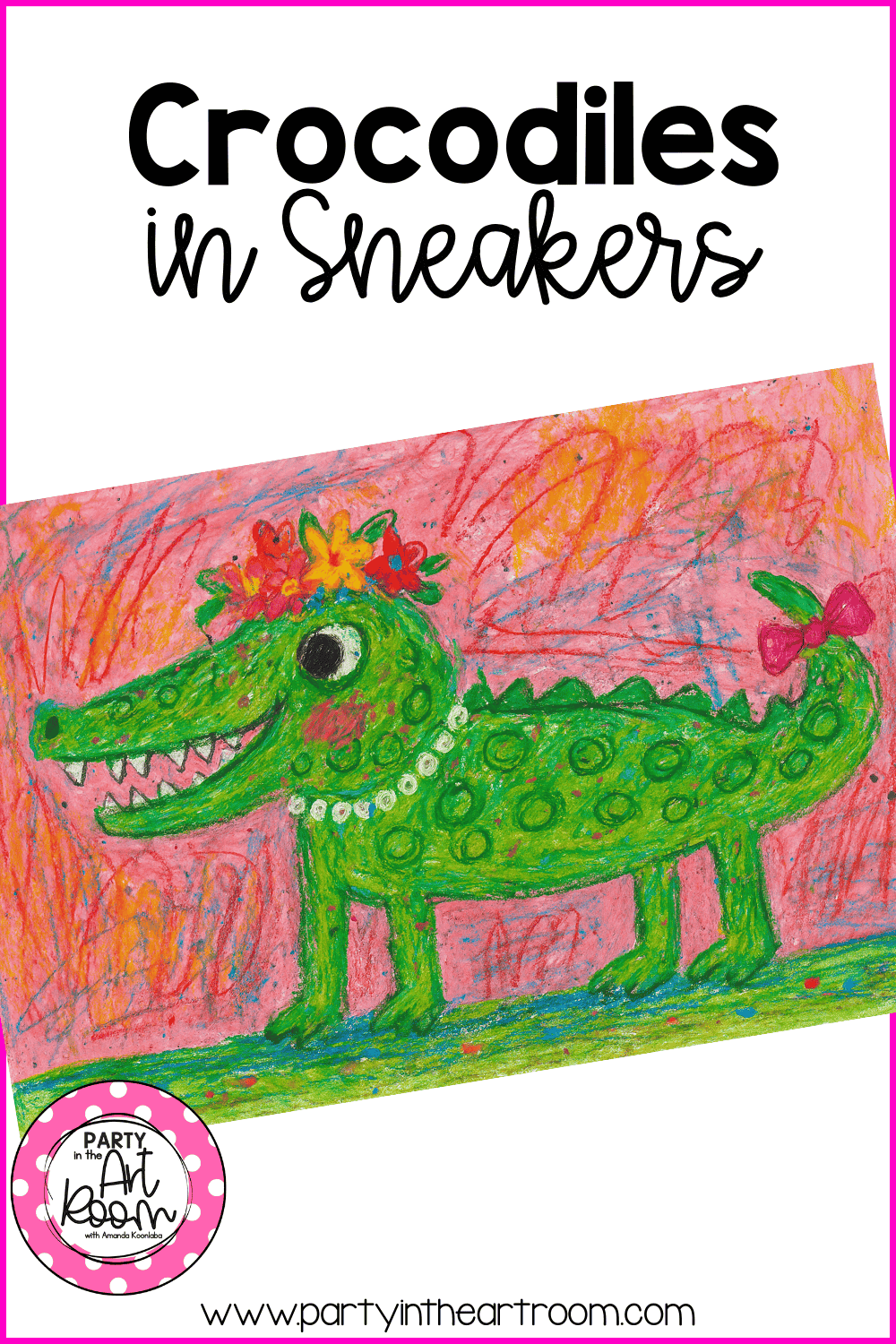
Students explored personality through color, texture, and playful details in their crocodile characters.
🎨 The Art Lesson: Crocodiles with Character
This was a guided project with built-in choice — the kind of lesson where structure meets freedom in the best possible way.
We started by discussing how artists use visual elements to express personality. Then came the brainstorming:
● What does your crocodile wear?
● Where does it live?
● What does it eat (besides crayons)?
Students sketched their crocodiles with pencil on heavy drawing paper. Then came the media choice: oil pastels or paint — and for which parts?
Some used pastel for bold outlines and texture. Others used paint for backgrounds, crowns, or expressive touches. That freedom to explore — to really think like an artist — made every piece feel personal and wildly original.
✨ Teacher Tip: This project is a fantastic opportunity to talk about contrast — in color, in texture, and even in personality. Let them push it.
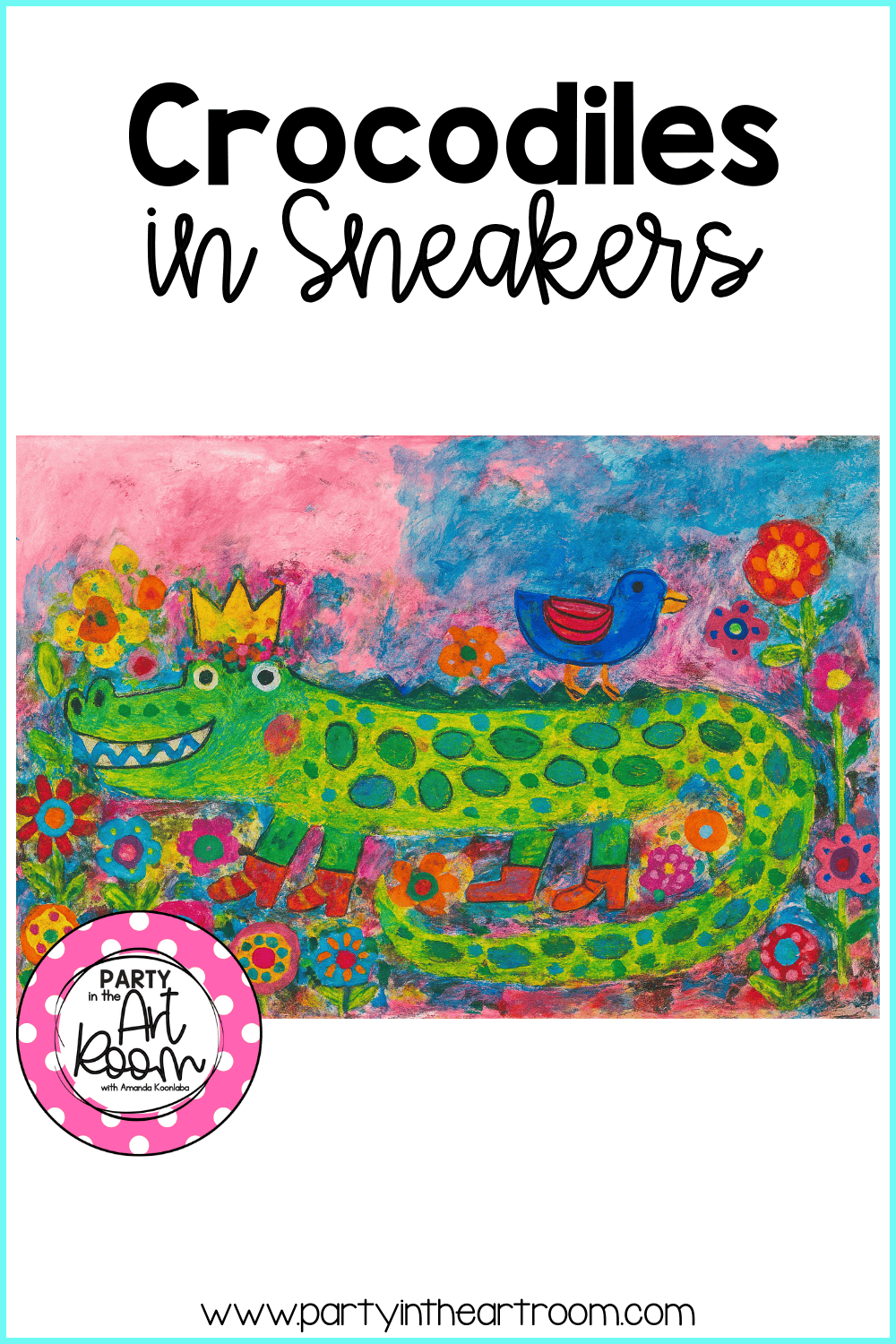
Visual choices like crowns, flowers, and expressive faces helped students show character traits.
✍️ The Poetry Twist: List Poems with Big Personality
Once the artwork was complete, we added another creative layer: list poems. And if you haven’t tried this with your students yet, let me just say — it’s a game changer.
List poems are simple and structured, but they leave tons of room for creative voice. They’re low-pressure, high-impact, and so much fun to read aloud.
Here’s the classroom example we used to kick it off:
How to Be a Fancy Crocodile
● Wear red sneakers every day.
● Add flowers to everything.
● Smile with all your teeth.
● Only eat ice cream with sprinkles.
● Make up your own rules.
● Say “RAWR” instead of hello.
● Be weird. Be wild. Be wonderful.
Students LOVED writing these. They made rules, snack lists, fashion tips, favorite hobbies, and dramatic character bios. The hallway display that followed? Iconic.
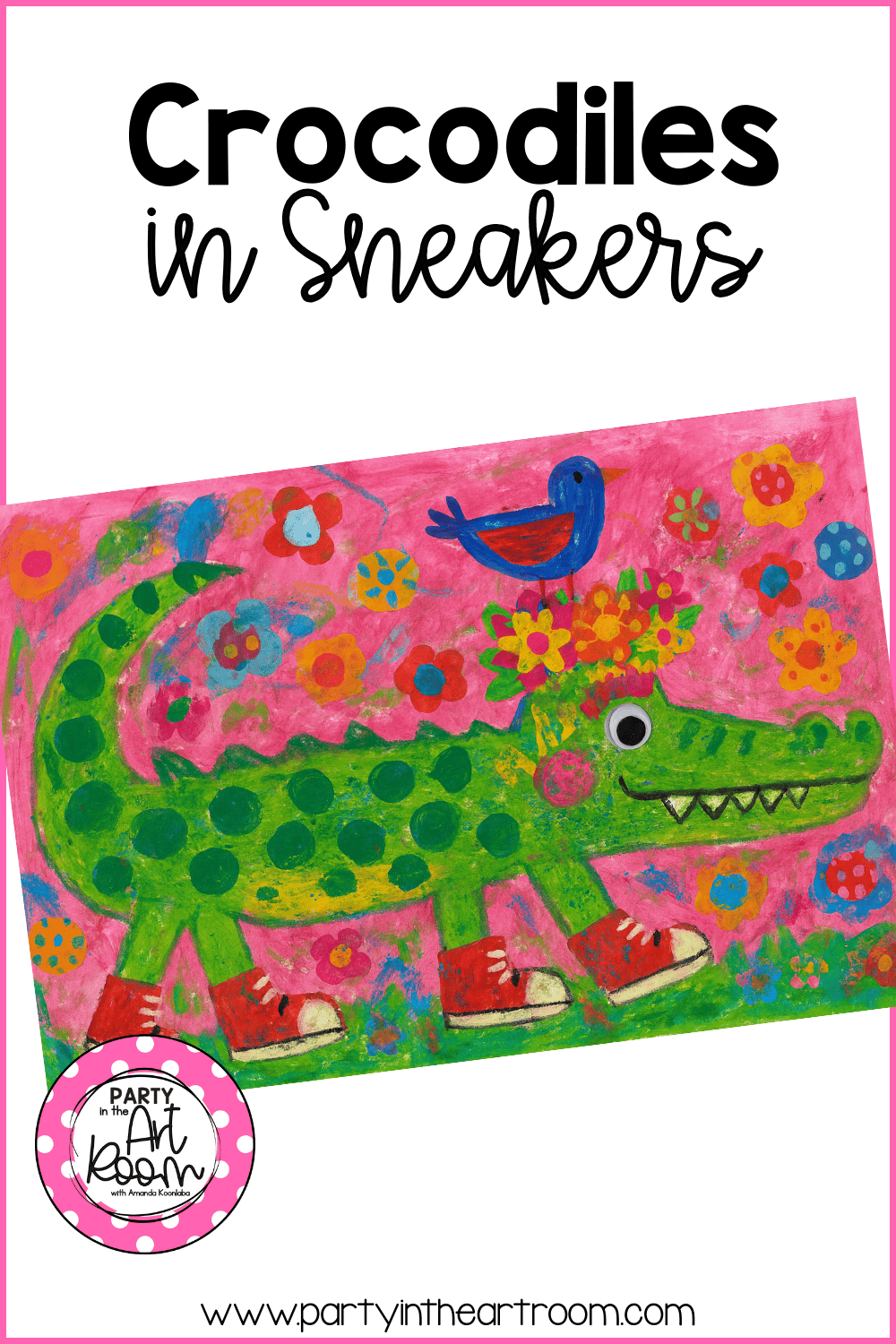
Sneakers, flowers, and bold colors inspired imaginative list poems full of voice.
🐊 More Sample List Poems
Here are two more student-style examples that might spark some ideas for your own classroom:
Things My Crocodile Loves
● Banana milkshakes with glitter straws
● Matching sunglasses with her pet flamingo
● Bubble baths in the school sink
● Listening to jazz while painting toenails
● Telling jokes only she understands
● Napping in the library beanbags
How to Be a Sneaker-Loving Swamp Queen
● Lace your shoes with vines
● Wear lipstick that scares the birds
● Walk like the runway is made of mud
● Keep your secrets under your scales
● Smile only when you mean it
● Crown yourself — don’t wait for anyone else
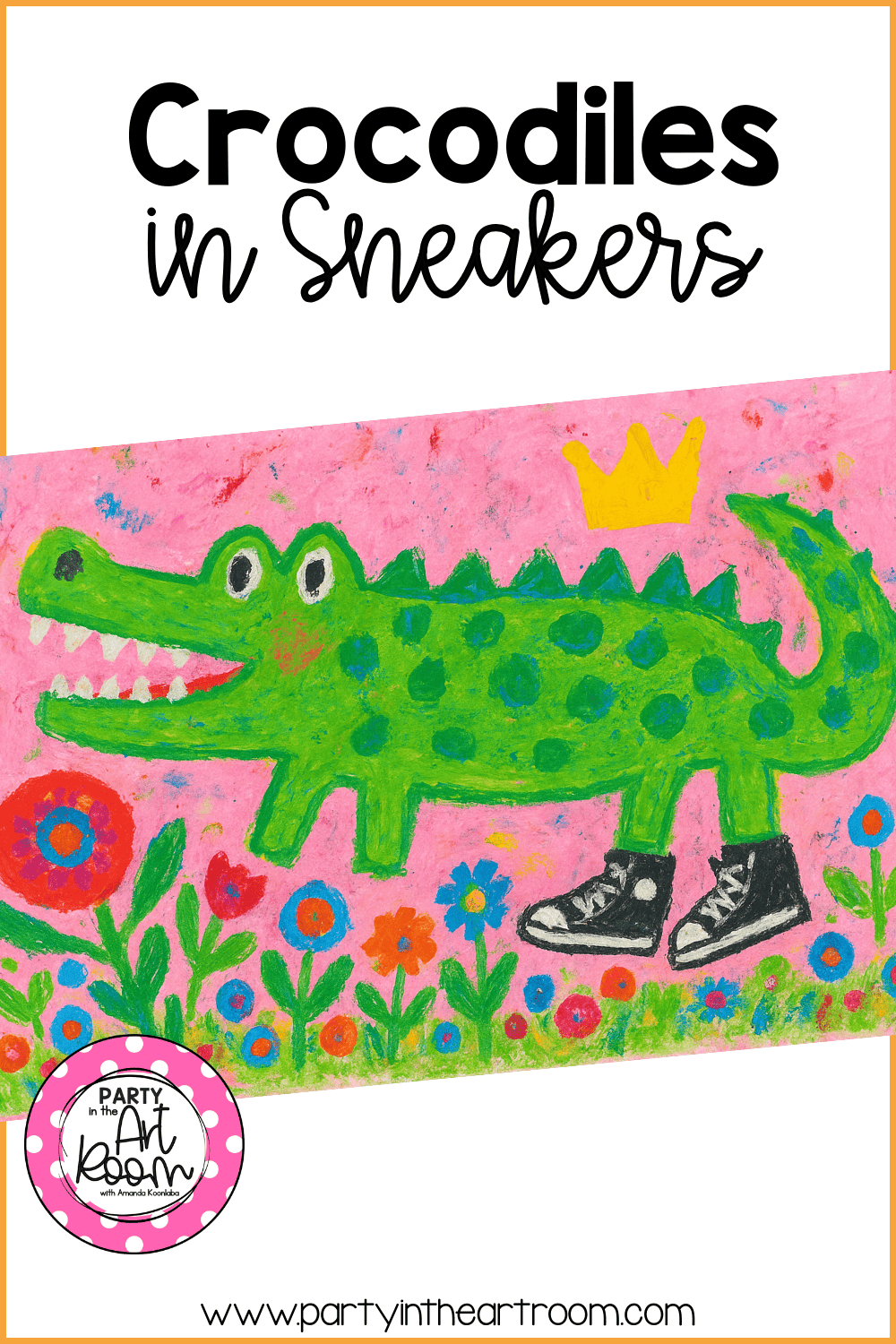
Accessories and humor gave students a strong foundation for playful poetry writing.
✏️ Poetry Prompt Box: Ready-to-Go Starters
Need a quick warm-up or writing center idea? Try one of these list poem prompts:
🟡 "How to Be a..."
Students invent rules for living life as their crocodile character.
🟢 "Things My Crocodile Loves"
Let them list sights, sounds, snacks, and silly habits.
🔵 "Things You’ll Never Catch My Crocodile Doing"
Perfect for building voice and boundaries. (“Folding laundry” was a class favorite.)
💡 Encourage dramatic poetry readings! Bonus points for crocodile accents.
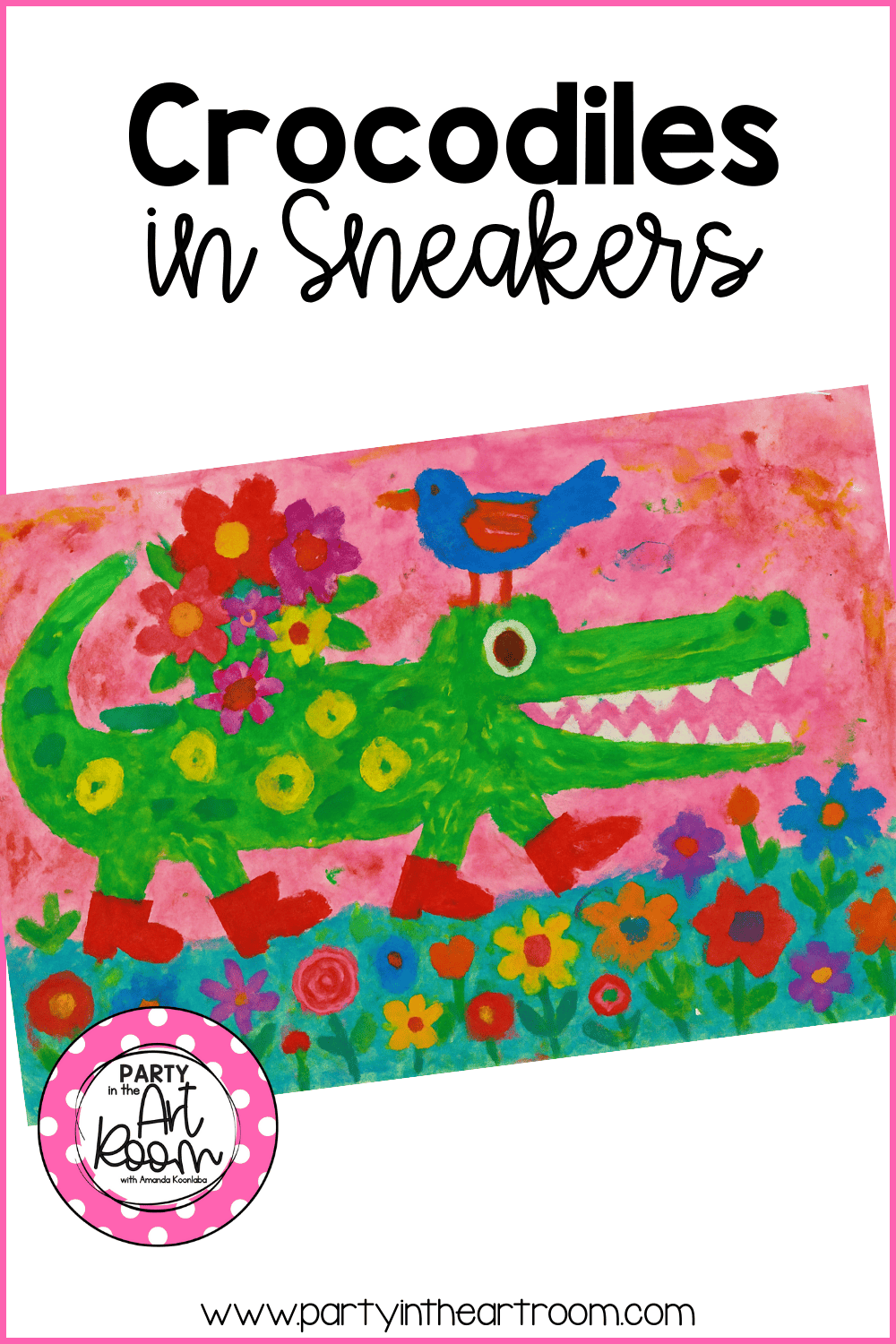
Mixed media choices helped students experiment with contrast, texture, and storytelling.
🧠 Art + Literacy Concepts in Action
Even with all the silliness, this project hits real skills and standards. Here’s what we touched:
● Line & Shape — for drawing facial features, outfits, and poses
● Color Theory — contrast, color choice, and expressive palettes
● Texture — layering pastel and paint for visual effect
● Creative Voice — both in visual art and writing
● Art Decision-Making — students chose which media to use where
● Literacy Extension — writing for character, emotion, and tone
It’s a perfect example of how art and literacy can work together to support whole-child learning. (And let’s be honest — it was fun.)
🏠 Homeschool or Small Group Adaptations
This lesson adapts beautifully for small groups or one-on-one instruction:
● Use crayons or colored pencils if pastels aren’t available
● Try crayon + watercolor resist for a similar media contrast
● Let younger students dictate their poems to an adult or older buddy
● Turn it into a storytelling session with crocodile puppet shows or interviews
Want to go cross-curricular? Read a nonfiction book about crocodiles and talk about fact vs. fiction before diving into the project.
Another Great Idea
This isn’t a crocodile project exactly, but if you loved the creative freedom and mixed media vibe, check out this:
👉 Georgia O’Keeffe Cow Skull Art Project
This lesson blends oil pastels and watercolor, teaches expressive drawing, and connects beautifully to art history. It’s an excellent companion to your crocodile creations — or a next step when you want to build on student voice.
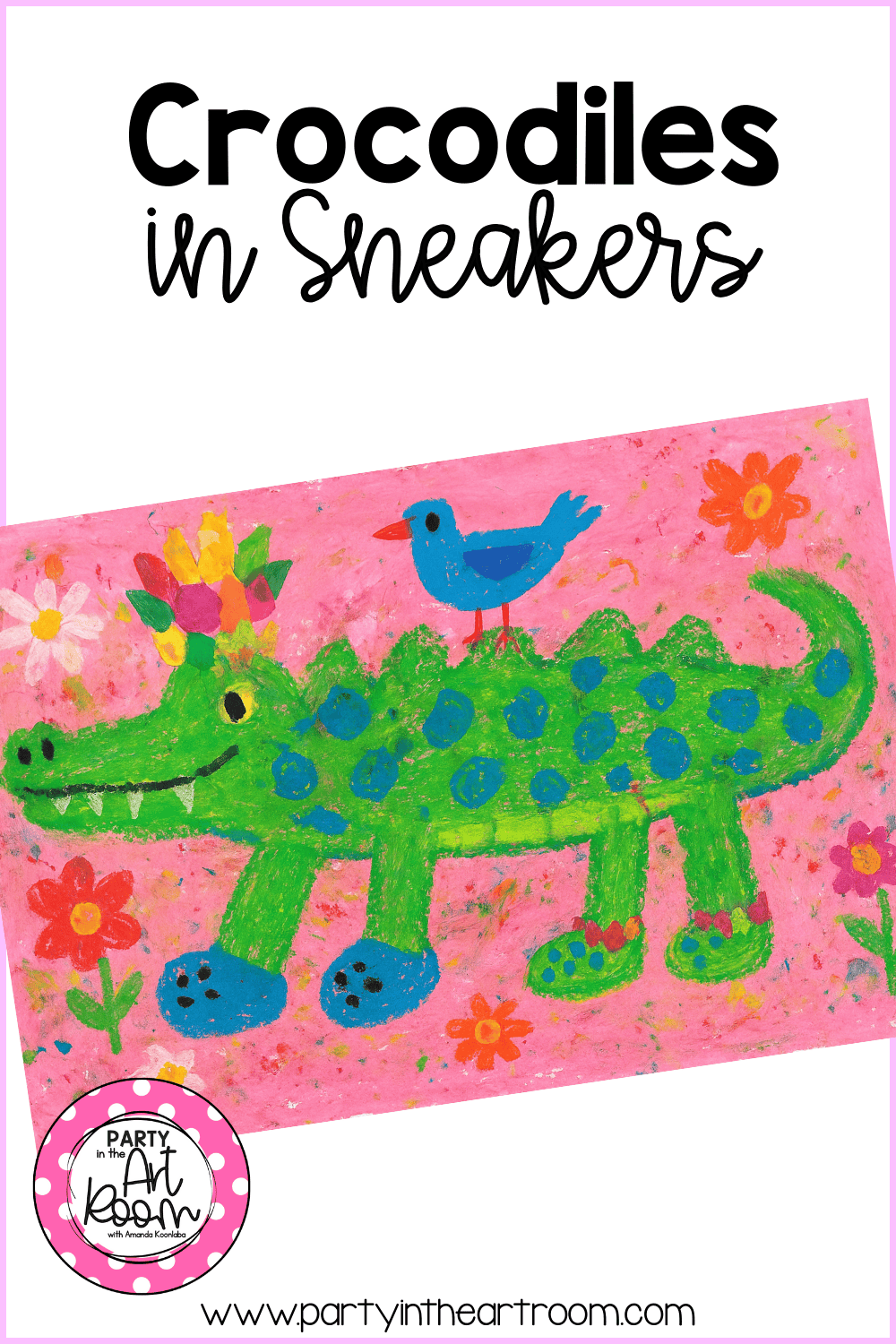
Student choice led to unique crocodile personalities and memorable art and poetry pairings
❤️ Final Thoughts: Let the Crocs Take Over
So if your students are bouncing off the walls, the weather’s weird, or you need a creative pick-me-up — let the crocodiles take over.
Give your kids room to get wild with pastels and paint. Let them invent stories and write hilarious poetry. Let them express who they are — even if it involves flower crowns and jazz-loving reptiles.
Because those are the moments they’ll remember.
And hey — when else do you get to read a poem about a crocodile who naps in the library and paints her toenails in math class?
Exactly.
You Might Also Be Interested In:


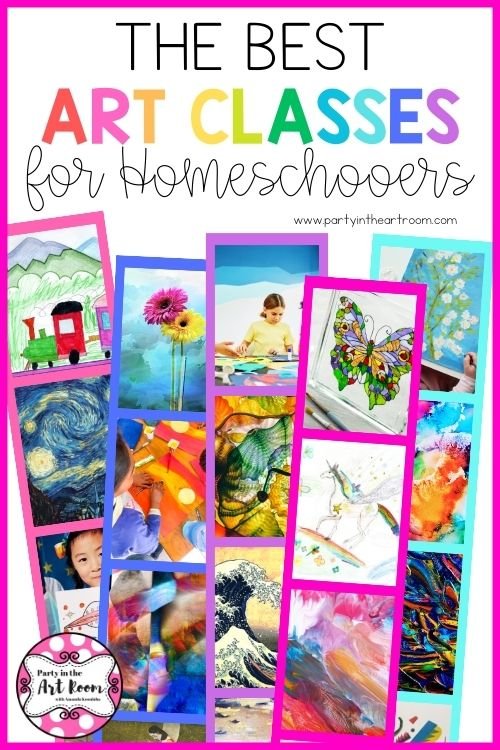


Perfect for anyone who thrives on hands-on, visually engaging activities, the Social Emotional Skills with Vincent Van Gogh pack brings art and emotion together to support holistic growth. Ready to make a meaningful impact on your homeschool journey?

Shop Workbooks on Amazon
Affiliate Disclosure: Party in the Art Room is supported by its audience. When you purchase through links on this site, a commission may be earned.
Get to know Amanda Koonlaba!
Hi! I’m Amanda. Teaching children to be creative thinkers is my greatest joy. I’m here to help you bring that same joy to your classroom.

This guide is packed with 25 ideas for using art to teach math and ELA. It’s arts integration for the win!
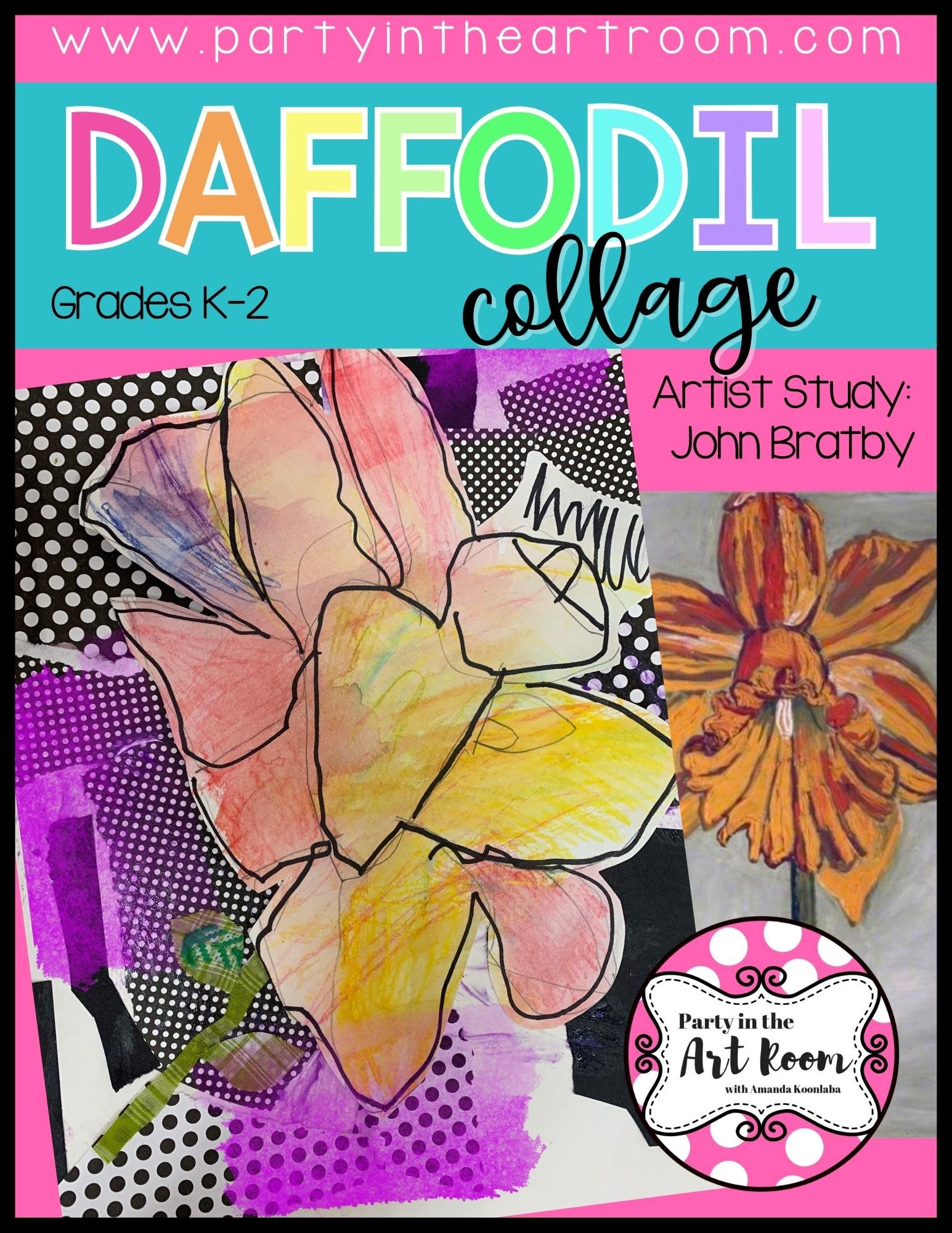
I want all students to feel successful in the art room, so I created a standards-based Daffodil Collage lesson to do just that! The lesson includes an artist study, student reflection, and more, so push your artists to their full potential.


Are you planning an abstract art lesson inspired by Paul Klee? Are your students going to create abstract portraits? Here’s an engaging and vibrant lesson to enhance your curriculum! This resource is an ideal addition to your elementary art plans, bringing creativity and excitement to your classroom.
Transform ordinary heart art into bold pop art masterpieces with Party in the Art Room's engaging pop art lesson that brings famous art movements to life.
Students explore color, repetition, and contrast through art-and-roll games that turn artistic concepts into hands-on discovery. Clear step-by-step directions make this perfect for substitutes, while hand-drawn examples encourage creative risk-taking over perfection.