Teaching Kids to Respond to and Reflect on Art
So you show your students a painting—maybe something gorgeous and moody from Van Gogh, or a bold abstract from Alma Thomas—and ask, “What do you think?” And they stare at you like you just asked them to recite the periodic table backward.
Sound familiar?
Getting kids to reflect on art can feel like herding glitter—kind of magical, kind of messy, and kind of impossible if you don’t have a strategy.
But here's the truth: kids can reflect on art. They just need the right questions, a little structure, and permission to respond in ways that feel natural to them (even if that means saying, “This painting reminds me of a grilled cheese sandwich”—because honestly, that’s valid).
So what is art reflection?
Reflection is really just pausing long enough to notice something, form a thought about it, and then—bonus round—share that thought.
It’s not about sounding smart. It’s not about naming the art period or listing every principle of design. Reflection is about connection.
Start with play.
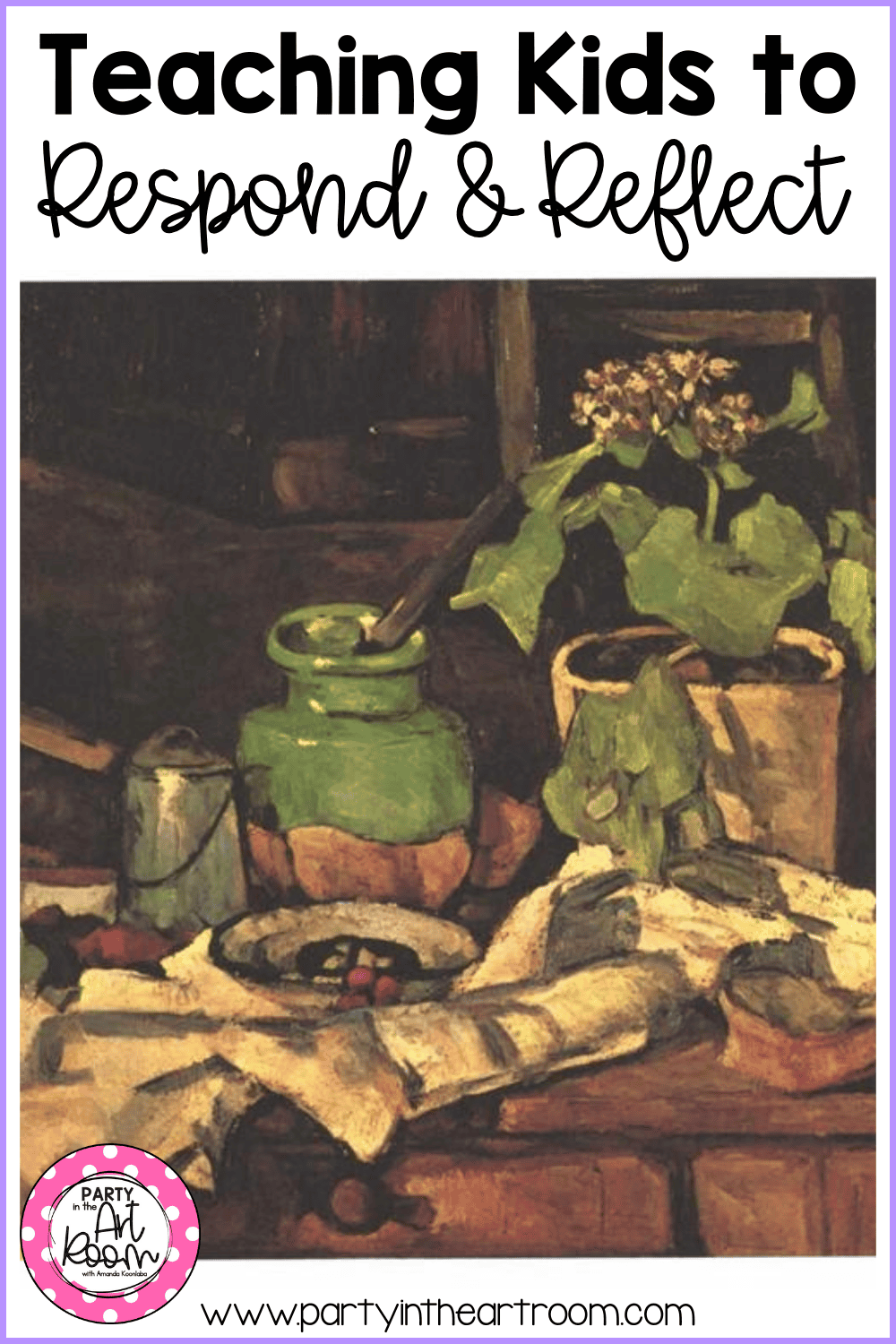
A simple still life like Flower Pot at a Table by Paul Cezanne invites playful questions that help kids connect personally and emotionally with art.
Here’s your golden rule: keep it playful—especially with younger students.
Instead of “What do you think the artist meant?” try:
● If this artwork had a smell, what would it be?
● What emoji would go with this painting?
● What would the character in this picture say if they could talk?
● Would you want to visit this place? Why or why not?
These kinds of questions feel fun and safe, but they also gently guide kids toward deeper noticing and personal connection.
And if someone says, “It makes me feel like spaghetti”—well, ask why! That’s a feeling. That’s interpretation. That’s the good stuff.
Use visuals and sticky notes.
One of my favorite strategies is a little gallery walk with post-it notes.
Tape up a few pieces of artwork around the room (or on the wall at home). Give each student three sticky notes and let them walk around and respond to questions like:
● What’s one feeling this artwork gives you?
● What do you wonder about when you look at it?
● What’s your favorite part?
They can write words or draw tiny doodles. When they’re done, talk about it together. Kids love seeing what others noticed, especially if it’s something they didn’t catch themselves.
Try “See-Think-Wonder.”
If you want a super simple structure that works every single time, try the See-Think-Wonder routine.
You ask:
● What do you see? (Stick to facts.)
● What do you think is happening? (Use your imagination.)
● What does it make you wonder? (Ask a question.)
This method works beautifully because it eases kids into reflection—starting with observation, moving to interpretation, and finishing with curiosity.
It works in-person, virtually, in writing, out loud, during breakfast—you name it.
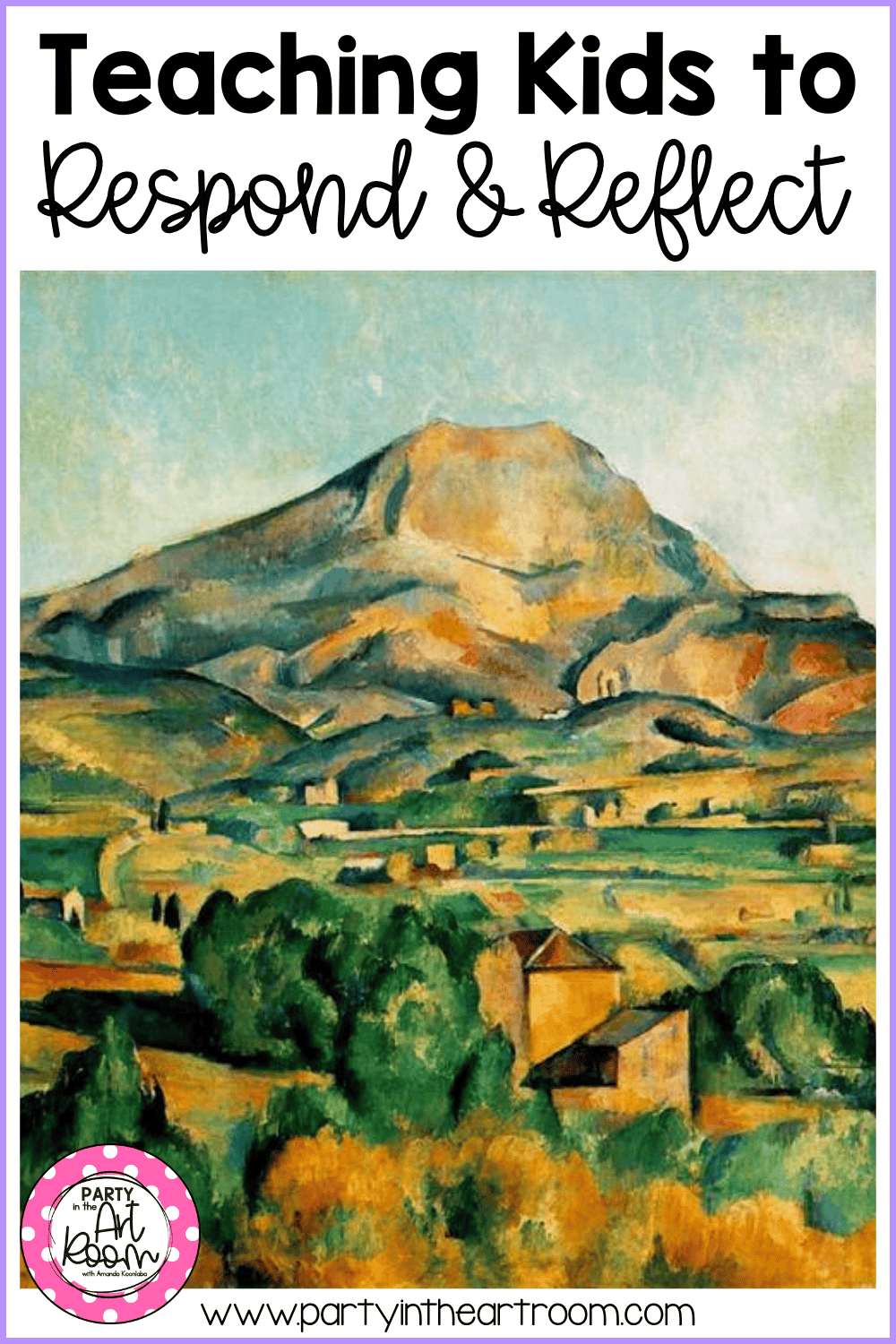
Landscape paintings like Mont Sainte-Victoire by Paul Cezanne are ideal for helping students practice observation, interpretation, and curiosity through structured reflection.
Add reflection to art-making.
You don’t have to limit reflection to looking at famous artwork. Try building it into your own projects, too!
Ask questions like:
● What part of this project are you most proud of?
● What part was tricky?
● If you could add something or do something differently, what would it be?
Older students can write their answers. Younger students can share in a circle or just draw their favorite part of their art.
Pro tip: Frame these as conversations, not tests. The more relaxed it feels, the more honest the answers.
Final thoughts
Teaching kids to respond to and reflect on art is not about forcing deep insights from the get-go. It’s about creating space for noticing, feeling, and thinking.
Every comment, every question, every “this reminds me of my dog” moment is part of building their confidence and voice as an artist and observer.
Keep showing them that their thoughts about art matter—and that there’s no such thing as a wrong answer when you’re looking closely, thinking deeply, and sharing openly.
You Might Also Be Interested In:



Expand Creativity with Symmetry Drawing Worksheets
Dive deeper into symmetry with our specially designed symmetry drawing worksheets. These engaging activities challenge students to complete intricate designs while honing their understanding of symmetrical balance. Perfect for classrooms or homeschool settings, these worksheets make learning symmetry both fun and artistic.

Shop Workbooks on Amazon
Affiliate Disclosure: Party in the Art Room is supported by its audience. When you purchase through links on this site, a commission may be earned.
Get to know Amanda Koonlaba!
Hi! I’m Amanda. Teaching children to be creative thinkers is my greatest joy. I’m here to help you bring that same joy to your classroom.

This guide is packed with 25 ideas for using art to teach math and ELA. It’s arts integration for the win!
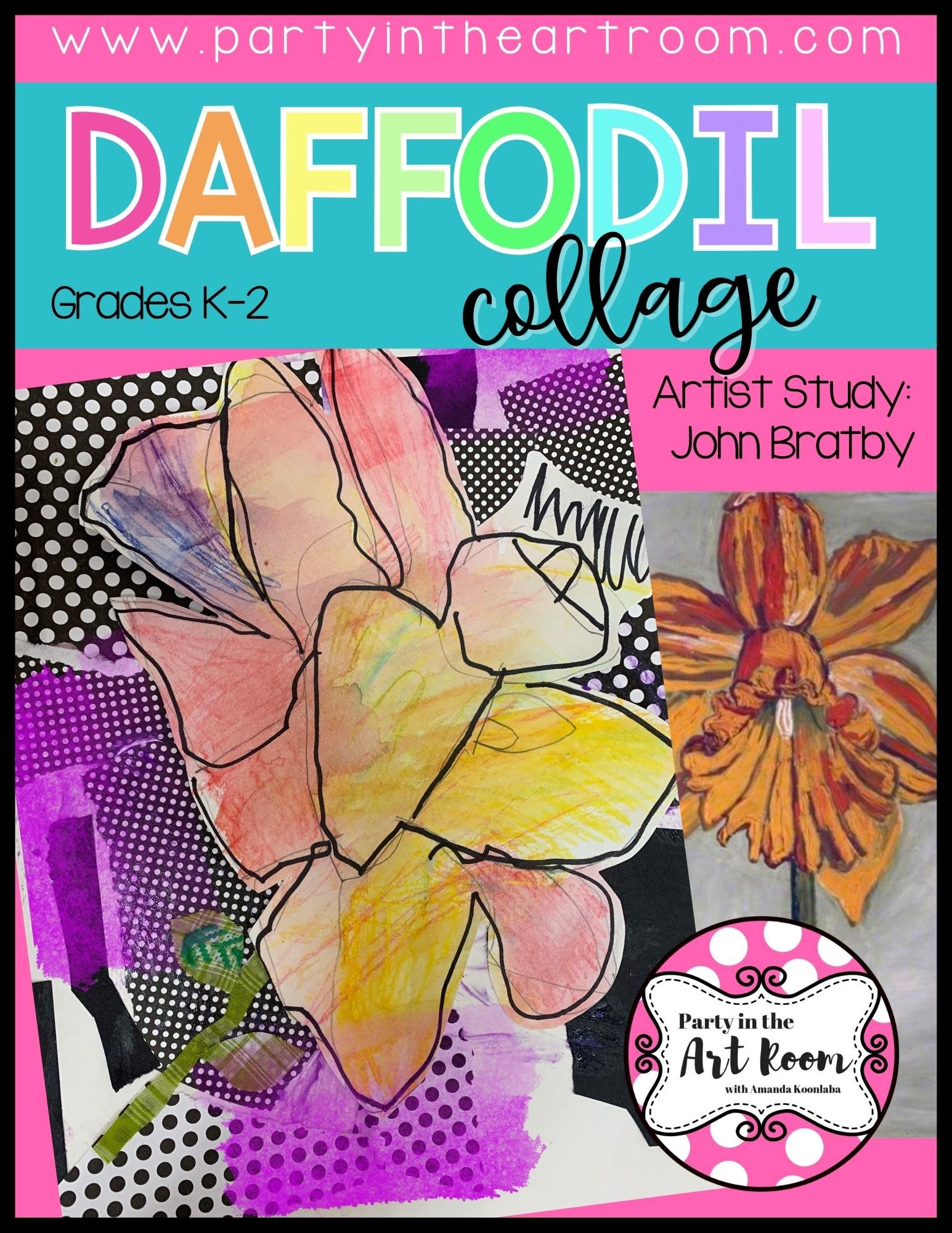
I want all students to feel successful in the art room, so I created a standards-based Daffodil Collage lesson to do just that! The lesson includes an artist study, student reflection, and more, so push your artists to their full potential.


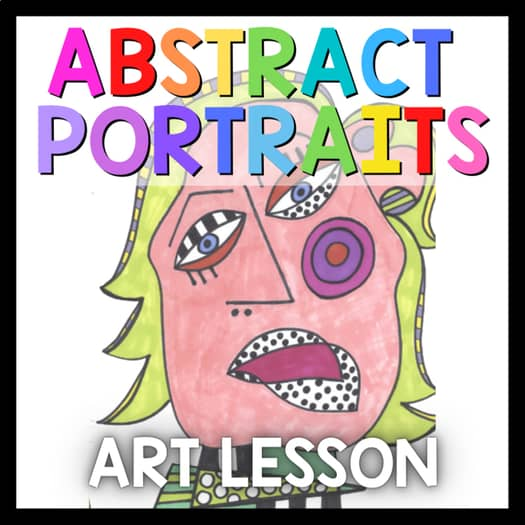
Are you planning an abstract art lesson inspired by Paul Klee? Are your students going to create abstract portraits? Here’s an engaging and vibrant lesson to enhance your curriculum! This resource is an ideal addition to your elementary art plans, bringing creativity and excitement to your classroom.
Transform simple brushstrokes into expressive watercolor portraits with Party in the Art Room's playful face-painting techniques that build confidence and creativity.
Watch colors bloom and blend as you create unique watercolor faces using approachable techniques perfect for any skill level. This bonus lesson extends your Lemon Tree course journey with step-by-step video instruction that makes portrait painting feel effortless and fun.
Step-by-step video instruction
Color blending techniques
Expressive portrait methods
Builds on Lemon Tree course
All skill levels welcome
Unlike intimidating portrait tutorials, this lesson encourages experimentation with playful techniques that celebrate imperfection - perfect for discovering your unique artistic voice.
Add to Cart for watercolor creativity.