How to Use Art to Teach More Than Art
Let’s bust a myth real quick: art isn’t just for free time or rainy days. And it’s definitely not an “extra.” Art is a powerhouse tool for teaching across the curriculum, especially in homeschool. When you bring art into your other subjects, you’re not watering anything down—you’re actually deepening the learning.
So, if you’ve ever wondered how to sneak spelling, history, or even science into art time (or vice versa), you’re in the right place.
Why Teaching More Than Art Through Art Actually Works
Kids remember what they make. It’s that simple. Creating a visual, tactile piece helps cement ideas in their brains in ways that worksheets just can’t.
For example:
● Want to teach sequencing and retelling? Have your child create a Peter Rabbit Monoprint and use it to narrate the story.
● Want to introduce cultural studies? Let them explore Plaster Animal Masks and research the animals they’re creating.
● Want to reinforce science concepts? Try oil pastel blending to explore color mixing and properties of matter.
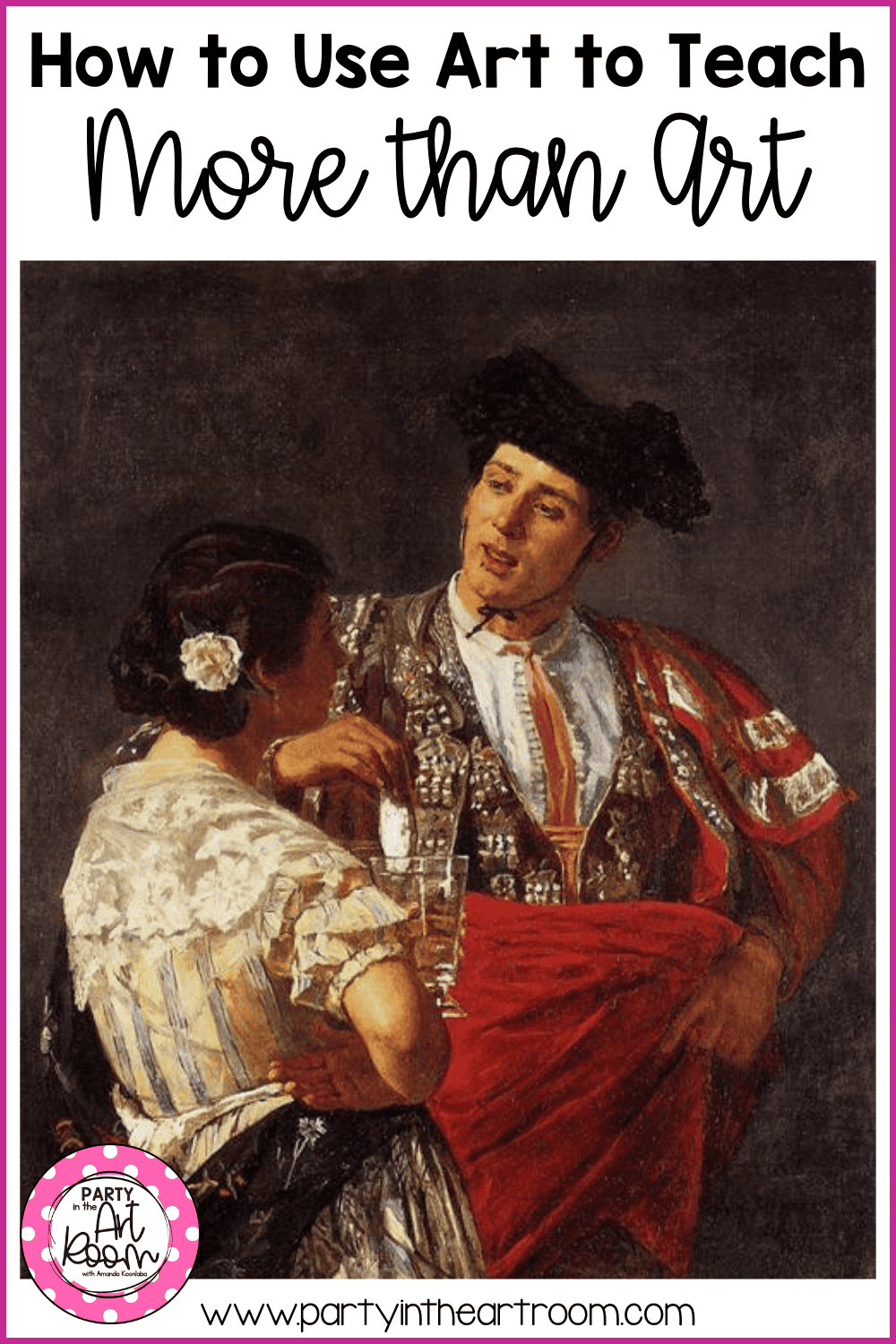
Studying fine art like Mary Cassatt’s work helps students explore history, culture, and storytelling through visual analysis
Art + Literacy = A Match Made in Heaven
Here’s a favorite combo in my homeschool: art + writing. And you don’t need fancy journals or a calligraphy pen.
Try this:
● Read a story.
● Create an art piece inspired by it.
● Write a few sentences or a short paragraph describing what they made and why.
The Turkey Dice Roll Game is perfect for this. Kids love the silly prompts, and you can slide in a writing component without resistance. It’s also seasonal, which makes it easy to tie into holiday units.
Art + Science: Inquiry in Action
When we made Garrett May-inspired cows, we didn’t just talk about line and texture—we talked about the difference between oil and acrylic paints. We used oil pastels and baby oil to imitate the look of paint and compared it to real oil paints I showed them.
You can even stretch this into a full-on STEAM lesson:
● What happens when you blend different colors?
● How does baby oil change the texture of pastels?
● What’s the difference between oil-based and water-based media?
It’s like a science lab—but way less cleanup.
Social Studies Through the Arts
Art tells a story. It reveals culture, history, and identity. When we study artists like Georgia O’Keeffe, we’re not just analyzing line and color—we’re learning about American history, landscapes, and symbolism.
That’s why I love our Cow Skull Dice Roll Game. It introduces kids to O’Keeffe’s style and imagery while letting them create their own variations. It’s history, art, and creative thinking all rolled into one.
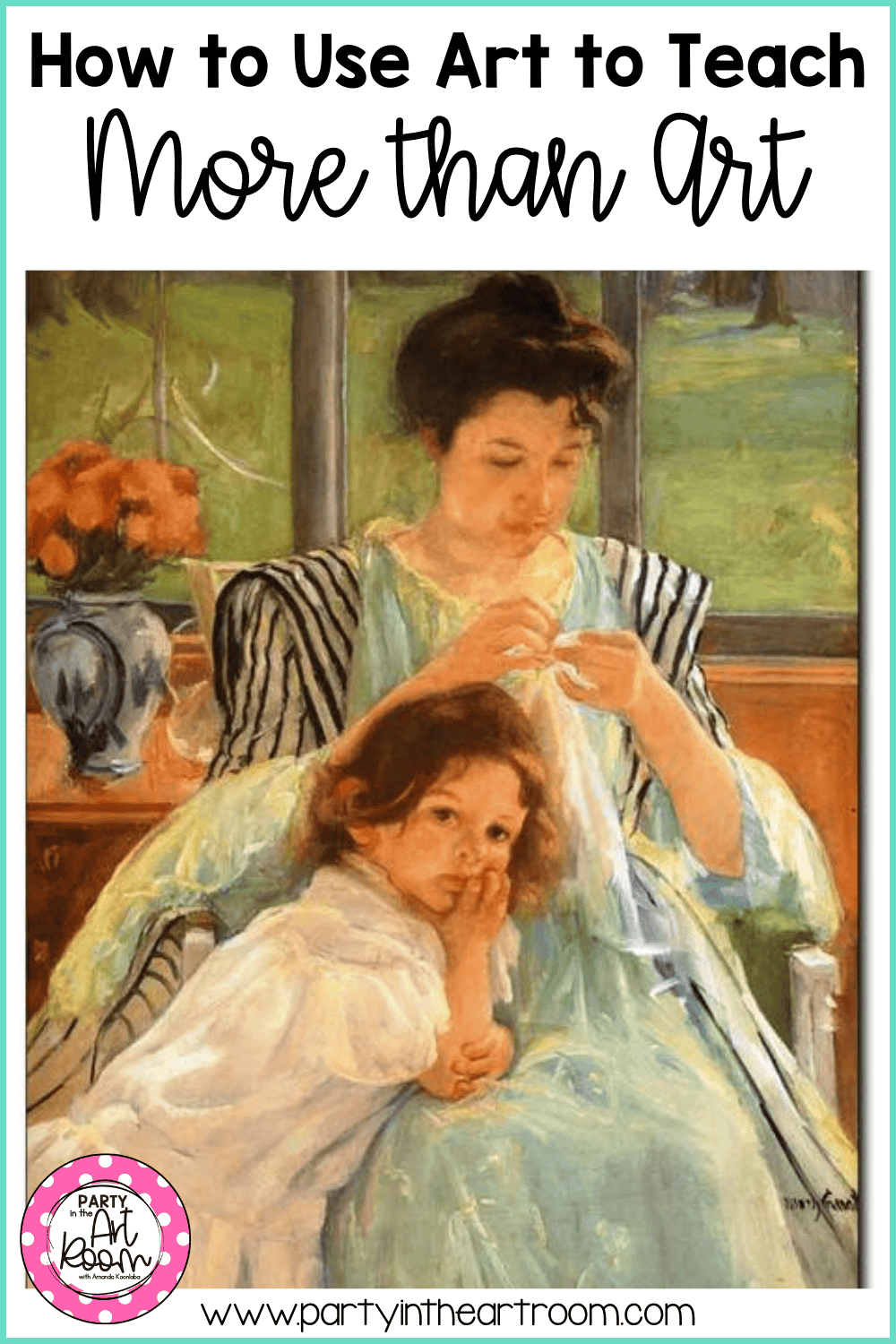
Classic artworks provide rich opportunities to connect art, history, and cultural context.
The Role of Process Over Product
Let’s take a deep breath together: it’s okay if the art doesn’t look perfect. That’s not the goal.
When you’re using art to teach across subjects, you’re prioritizing process. This means:
● Trying new techniques
● Making creative decisions
● Expressing ideas
● Reflecting on the experience
The best learning often happens when kids are fully engaged in how they’re creating—not just what ends up on the page.
Tools I Love for Cross-Curricular Art Lessons
These supplies are the MVPs of teaching across subjects with art:
● Baby Oil
● Watercolor paper
● Nib pens and ink (for monoprinting)
● Printable templates from TPT
I keep these stocked in my art cart and use them on the fly when inspiration strikes.
What Subjects Can Be Integrated with Art?
Here are just a few real-life combos we’ve tried and loved:
Subject Art Activity Example
Language Arts Peter Rabbit prints + narrative writing
Math Symmetry and pattern drawing (tessellations!)
Science Color mixing and oil/water experiments
History O’Keeffe cow skulls + Southwest studies
Geography Map art with watercolor washes
SEL Mask-making to explore emotions and identity
Final Thoughts: Let Art Be the Anchor
You don’t have to be a certified art teacher to teach through art. What you do need is a willingness to experiment, embrace the mess, and recognize that creativity unlocks deeper learning.
So next time your kids are tired of flashcards or grammar drills, bring in the paint, the glue, or the dice game. Let art do the heavy lifting—because it’s not just beautiful, it’s powerful.
You Might Also Be Interested In:



Expand Creativity with Symmetry Drawing Worksheets
Dive deeper into symmetry with our specially designed symmetry drawing worksheets. These engaging activities challenge students to complete intricate designs while honing their understanding of symmetrical balance. Perfect for classrooms or homeschool settings, these worksheets make learning symmetry both fun and artistic.

Shop Workbooks on Amazon
Affiliate Disclosure: Party in the Art Room is supported by its audience. When you purchase through links on this site, a commission may be earned.
Get to know Amanda Koonlaba!
Hi! I’m Amanda. Teaching children to be creative thinkers is my greatest joy. I’m here to help you bring that same joy to your classroom.

This guide is packed with 25 ideas for using art to teach math and ELA. It’s arts integration for the win!
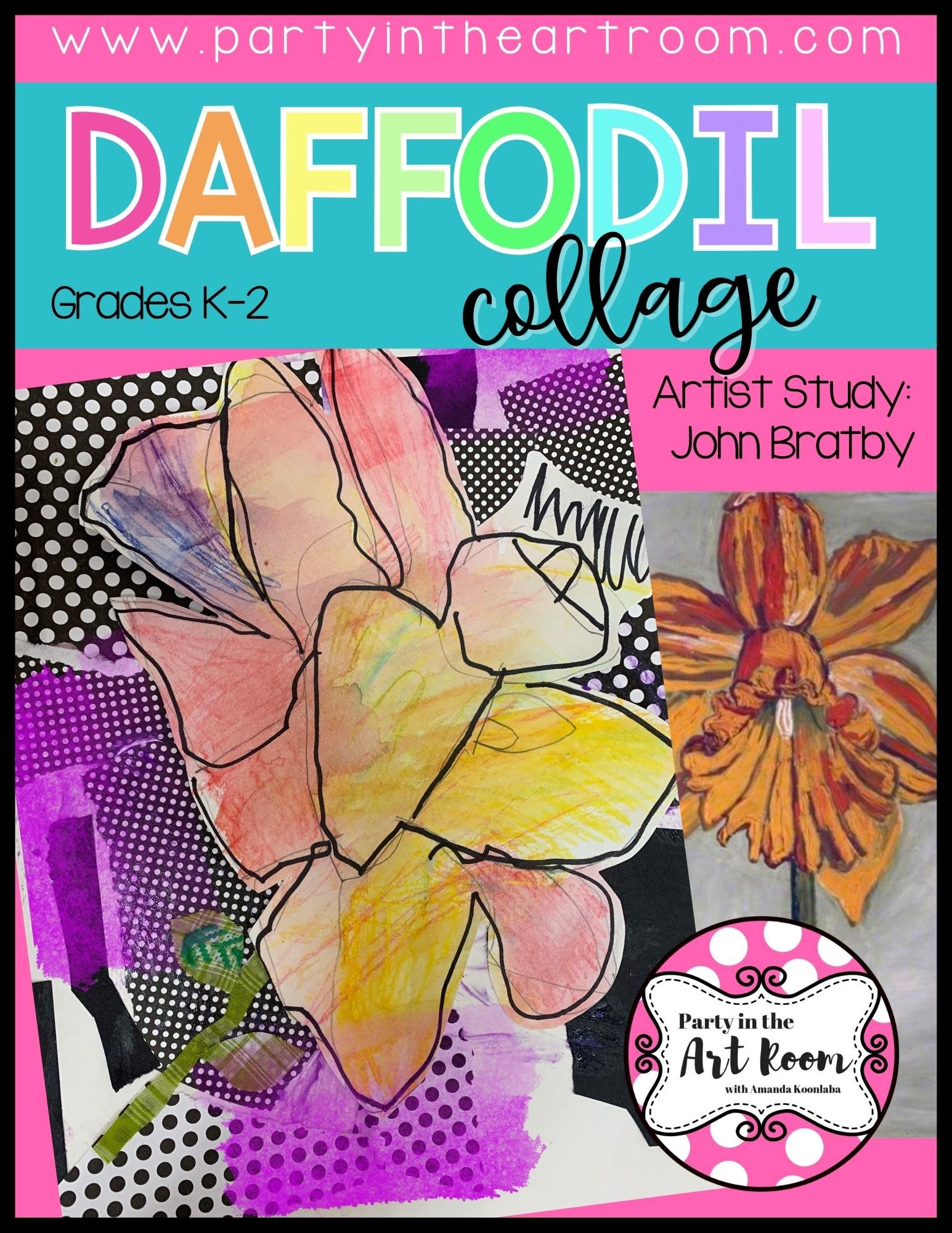
I want all students to feel successful in the art room, so I created a standards-based Daffodil Collage lesson to do just that! The lesson includes an artist study, student reflection, and more, so push your artists to their full potential.


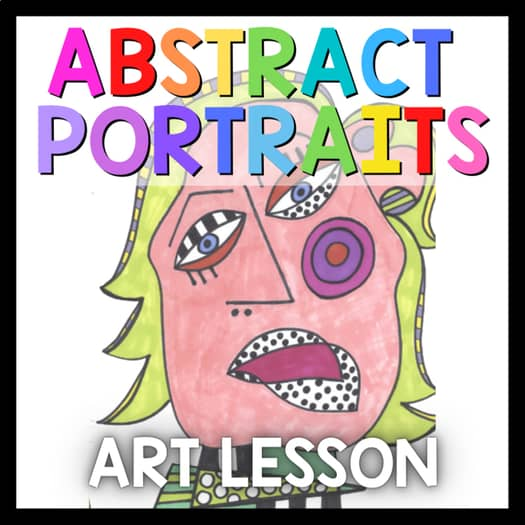
Are you planning an abstract art lesson inspired by Paul Klee? Are your students going to create abstract portraits? Here’s an engaging and vibrant lesson to enhance your curriculum! This resource is an ideal addition to your elementary art plans, bringing creativity and excitement to your classroom.
Transform simple brushstrokes into expressive watercolor portraits with Party in the Art Room's playful face-painting techniques that build confidence and creativity.
Watch colors bloom and blend as you create unique watercolor faces using approachable techniques perfect for any skill level. This bonus lesson extends your Lemon Tree course journey with step-by-step video instruction that makes portrait painting feel effortless and fun.
Step-by-step video instruction
Color blending techniques
Expressive portrait methods
Builds on Lemon Tree course
All skill levels welcome
Unlike intimidating portrait tutorials, this lesson encourages experimentation with playful techniques that celebrate imperfection - perfect for discovering your unique artistic voice.
Add to Cart for watercolor creativity.