Let Them Roar: Expressive Lion Portraits from Art Camp (and How to Try It in Your Classroom)
There’s something kind of wonderful that happens when you give 6th graders a pile of colorful materials, toss out a prompt like “What does a lion feel like?”, and then get out of their way.
That’s exactly what happened at our recent summer art camp.
I didn’t set out with a super structured lesson plan or detailed step-by-step tutorial. This was intentionally open-ended. We brainstormed ideas together, talked about what lions represent (strength, courage, wildness, sometimes naps), and I encouraged the kids to make choices based on how they personally interpreted those ideas.
What they created? Absolutely ROAR-worthy. Each lion is totally different—some are fierce, some goofy, some soft and soulful—and every single one is deeply expressive. No two are alike, and that’s the whole point.
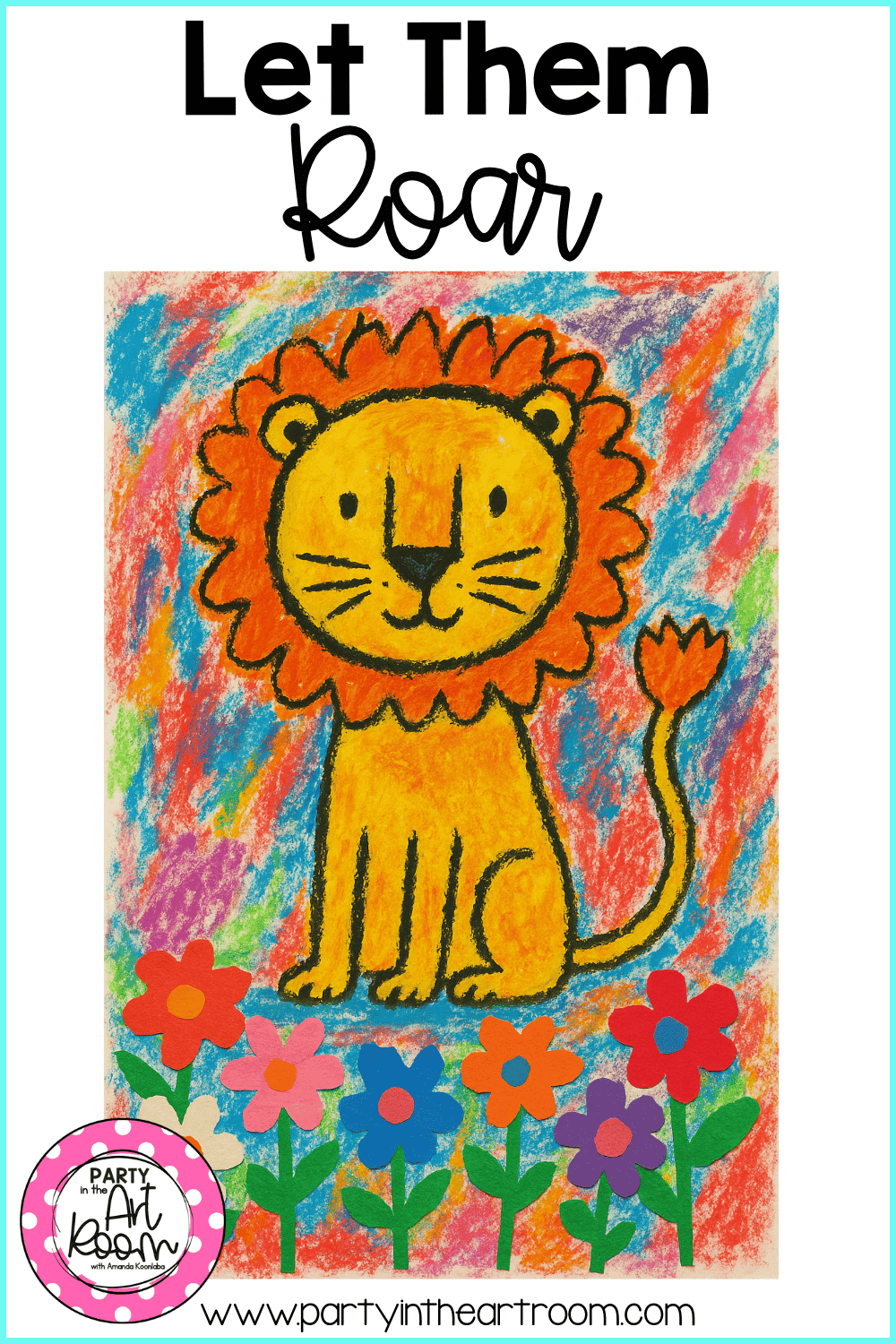
This expressive lion portrait shows how open-ended materials and personal interpretation lead to bold color choices and confident visual storytelling
🧠 Why Choice-Based Art Works
This kind of open-ended art is so powerful, especially with upper elementary or middle schoolers. Here's why:
● It builds confidence. Students learn to trust their instincts.
● It allows space for identity and emotion. What does your lion look like? What kind of personality does it have?
● It encourages problem-solving. Without step-by-step rules, kids figure out how to layer color, add contrast, fix something they don’t like, or take creative risks.
It’s not just about making a lion—it’s about making their lion.
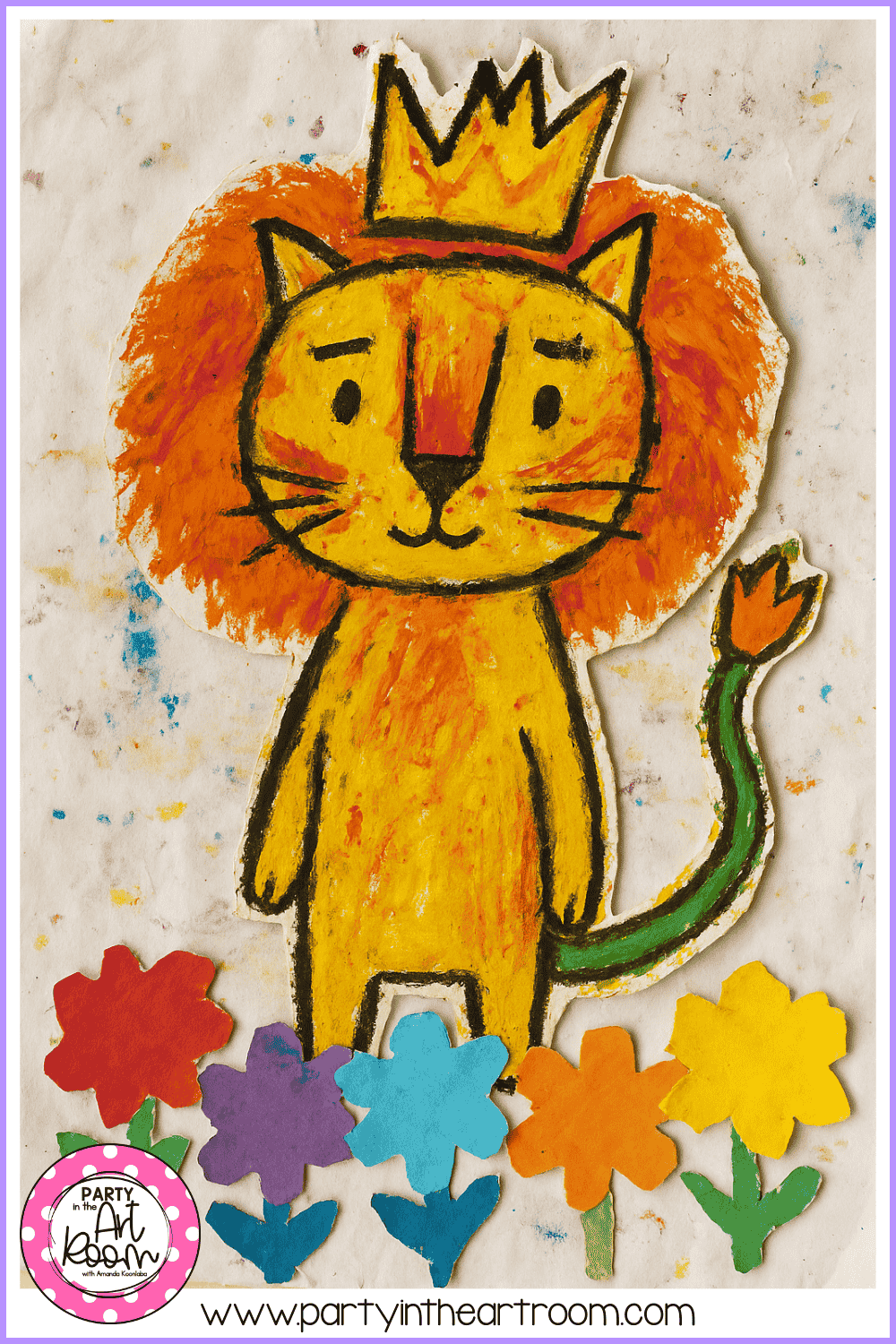
Simple cut-paper shapes and layered color allow students to focus on expression without rigid rules.
🎨 Materials We Used
This was a “use what you’ve got” kind of lesson. But if you want the exact stuff I reach for, here’s the list with links:
● Crayola Oil Pastels – Rich color, easy to blend, and classroom reliable.
● Elmer’s School Glue – We use this to outline the lions or make DIY black glue.
● Baby Oil – Helps smudge oil pastels for that soft, painterly effect.
● Construction or drawing paper (I like black for boldness, but anything works!)
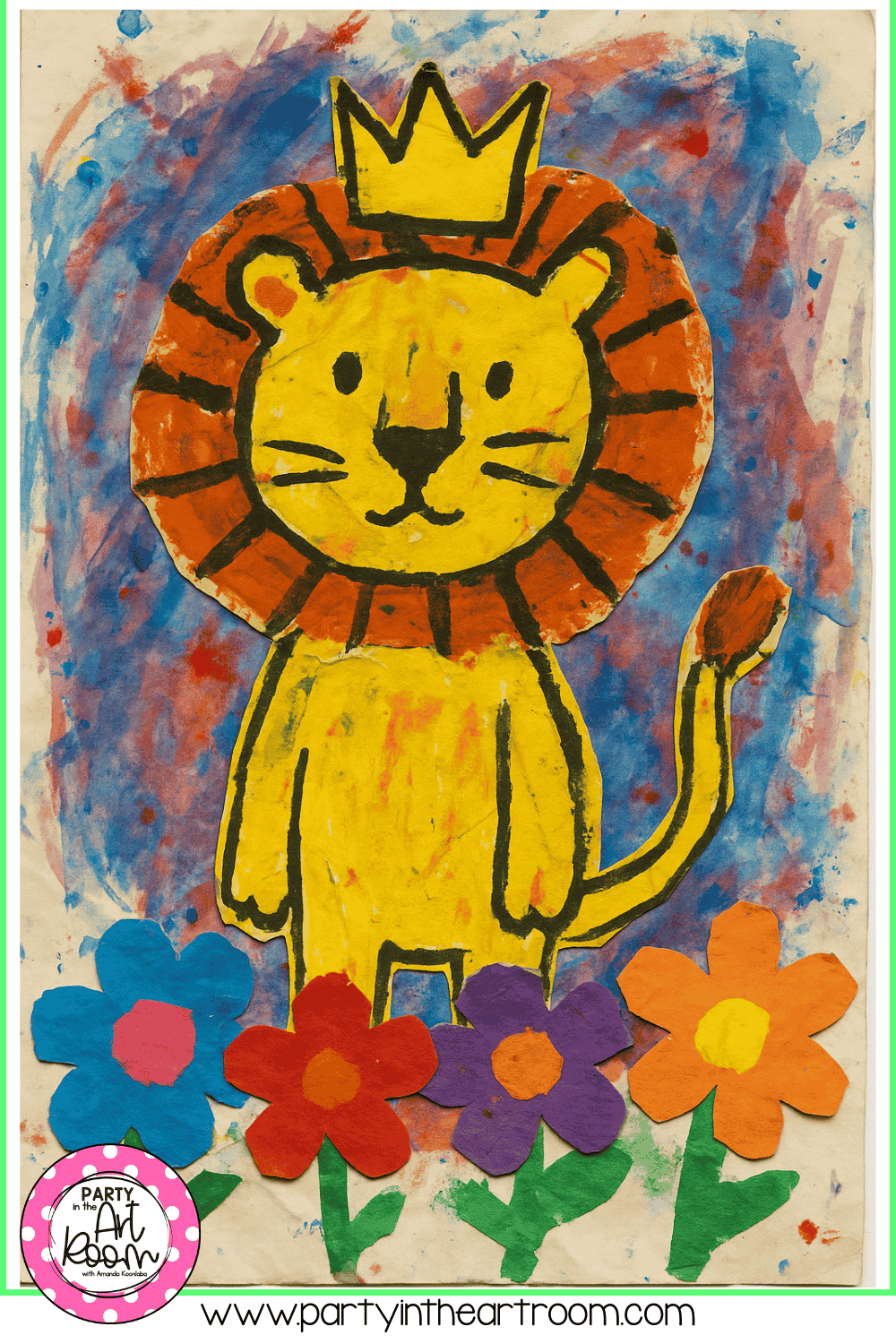
Scribbled backgrounds and bold contrasts help students communicate movement and personality.
🏫 Want to Try This in a Classroom Setting?
You can take this same energy and structure it into a more standards-based lesson. Here’s how:
1. Start with Art Vocabulary & Observation
Introduce terms like:
● Line
● Contrast
● Expression
● Texture
Show a few lion artworks from different cultures or art movements. Talk about how artists create emotion using color and line.
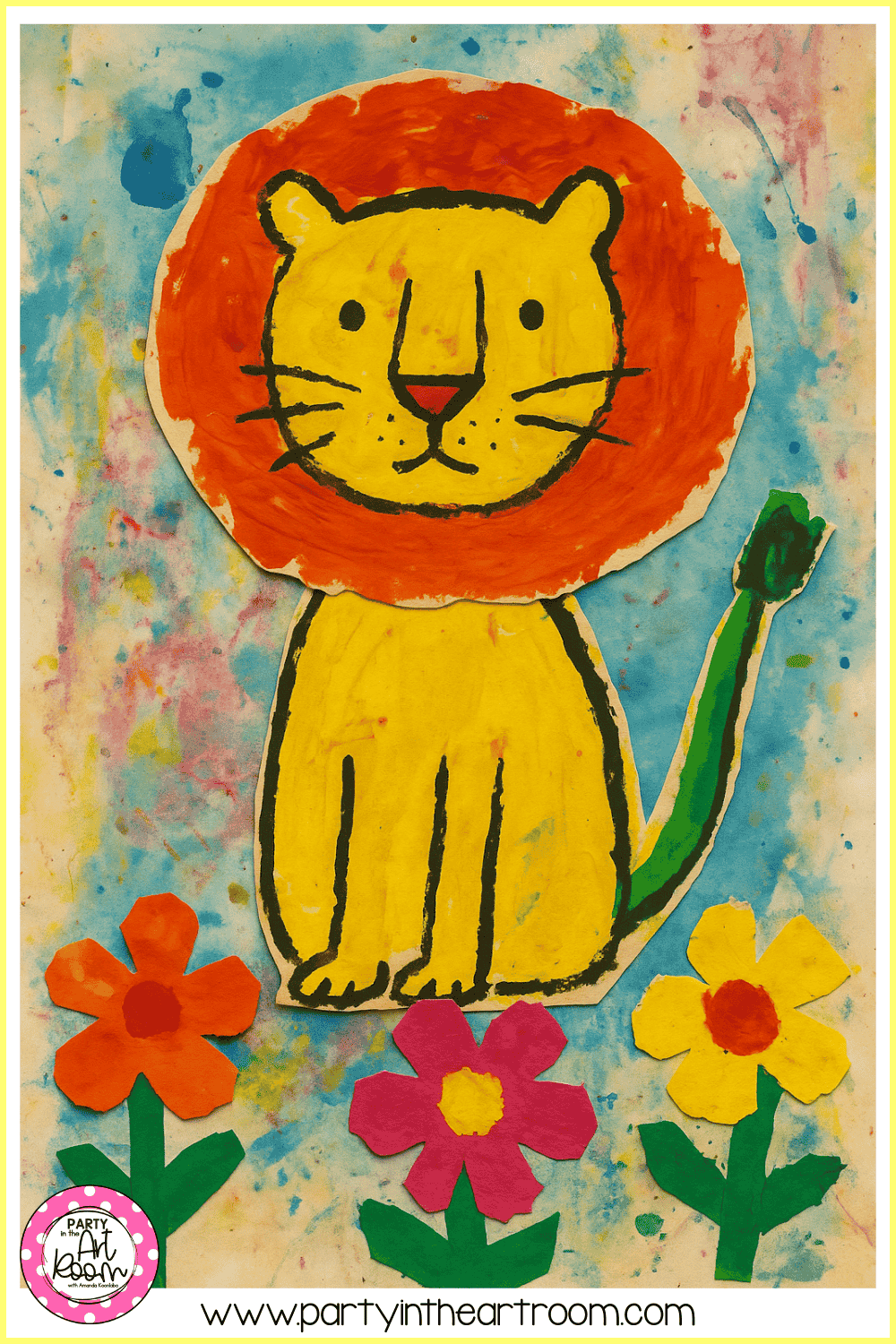
Focused color palettes and repeated shapes help reinforce contrast and visual emphasis.
2. Add a Focused Art Concept
Try this:
“Today we’re going to create expressive lion portraits using texture and contrast to show personality.”
3. Connect to Content
● ELA: Write a description of your lion using powerful adjectives.
● Science: Link to animal adaptations—what helps lions survive?
● SEL: How does your lion show confidence, strength, or playfulness?
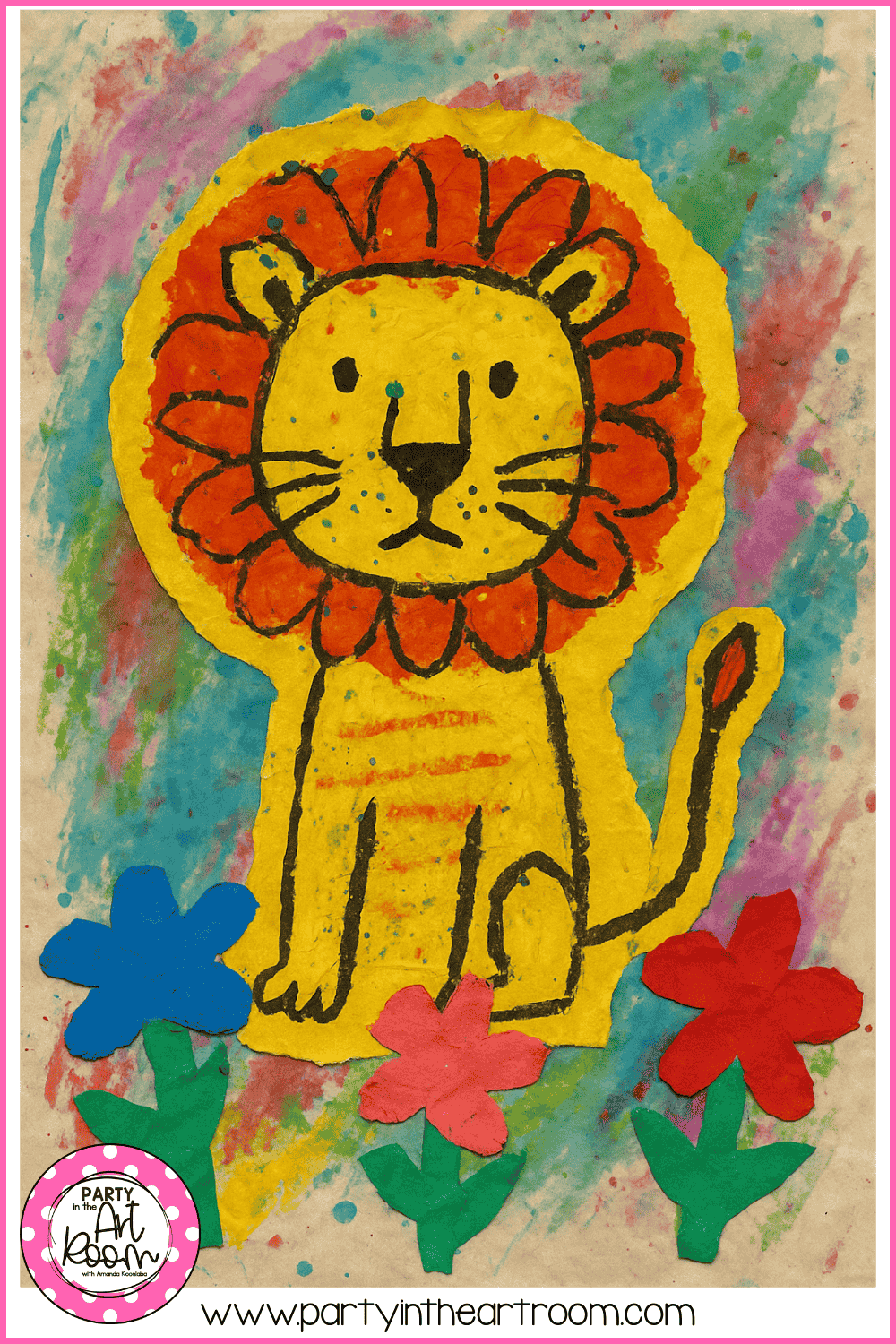
Layered paint and collage show how students interpret emotion through texture and color.
4. Reflect
Ask:
● What choices did you make to show emotion in your lion?
● What textures or lines did you use?
● What would you try differently next time?
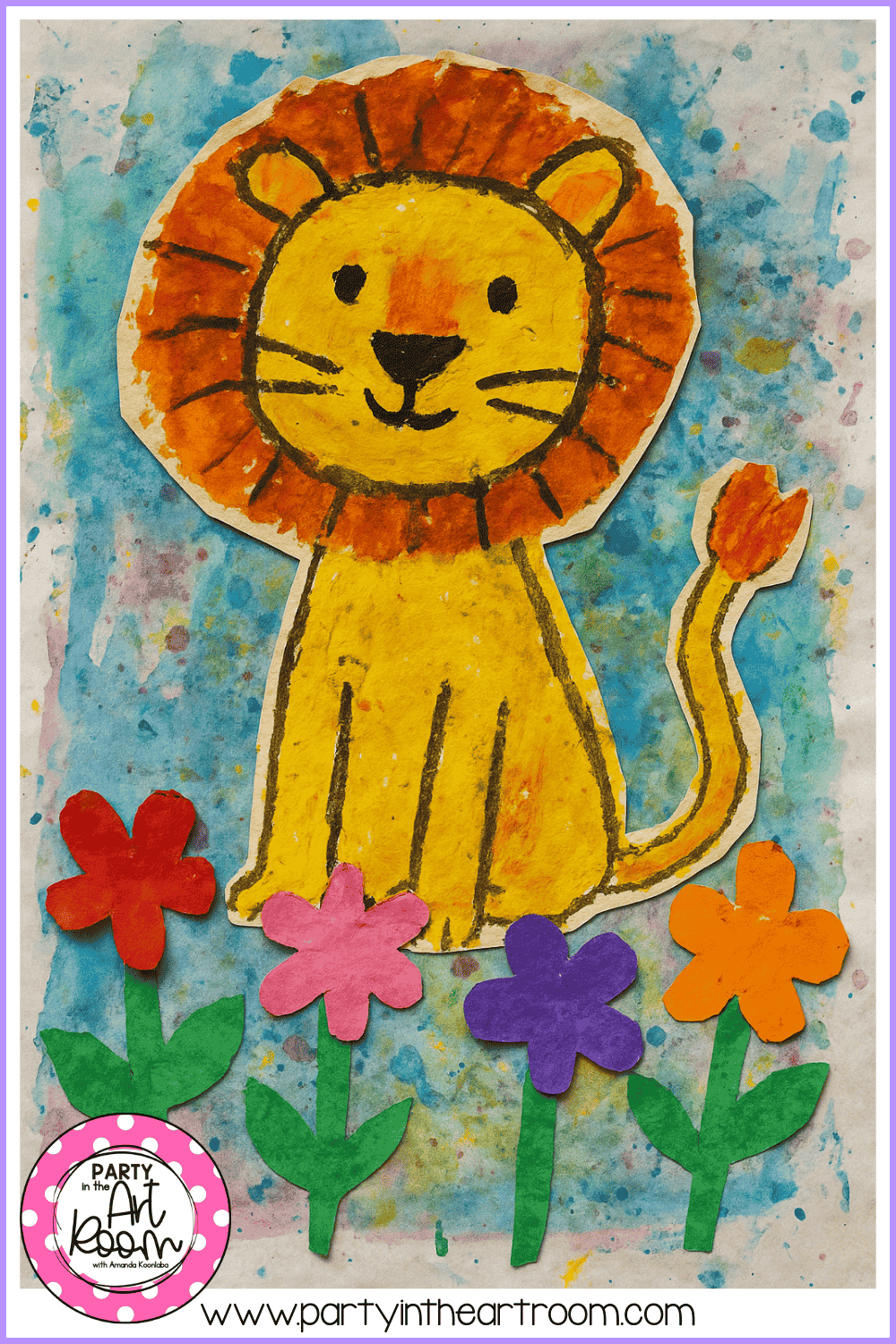
Strong primary colors and confident placement highlight how ownership fuels creativity.
🔗 Related Lessons & Resources
● Want more expressive animal projects? Try this Cow Skull Dice Roll Game inspired by Georgia O'Keeffe.
● For 3D fun, check out How to Make Really Easy Animal Masks with Plaster Wrap.
● Grab your own Expressive Animal Art Lesson Templates from TpT to guide your classroom version.
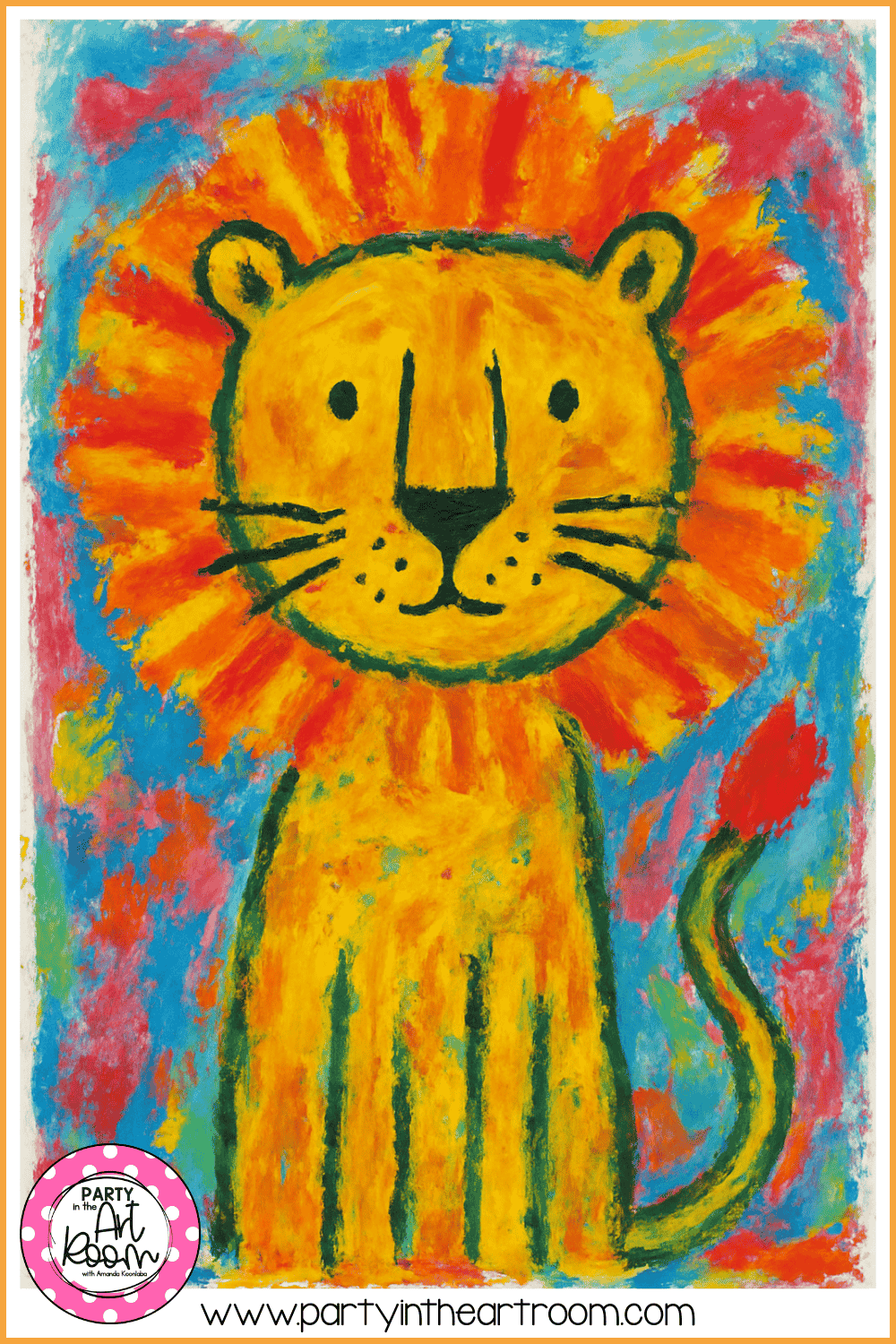
Strong primary colors and confident placement highlight how ownership fuels creativity
🧡 Final Thoughts
Art camp gave us the freedom to explore and play—and honestly, the results speak for themselves. When students feel ownership over their creative process, the learning sticks.
But if you're in a classroom setting and need to check those standards boxes, this project adapts beautifully. You can keep the creativity and just fold in more intentional focus. It’s not either/or—it’s both/and.
Let the kids roar. 🦁
You Might Also Be Interested In:
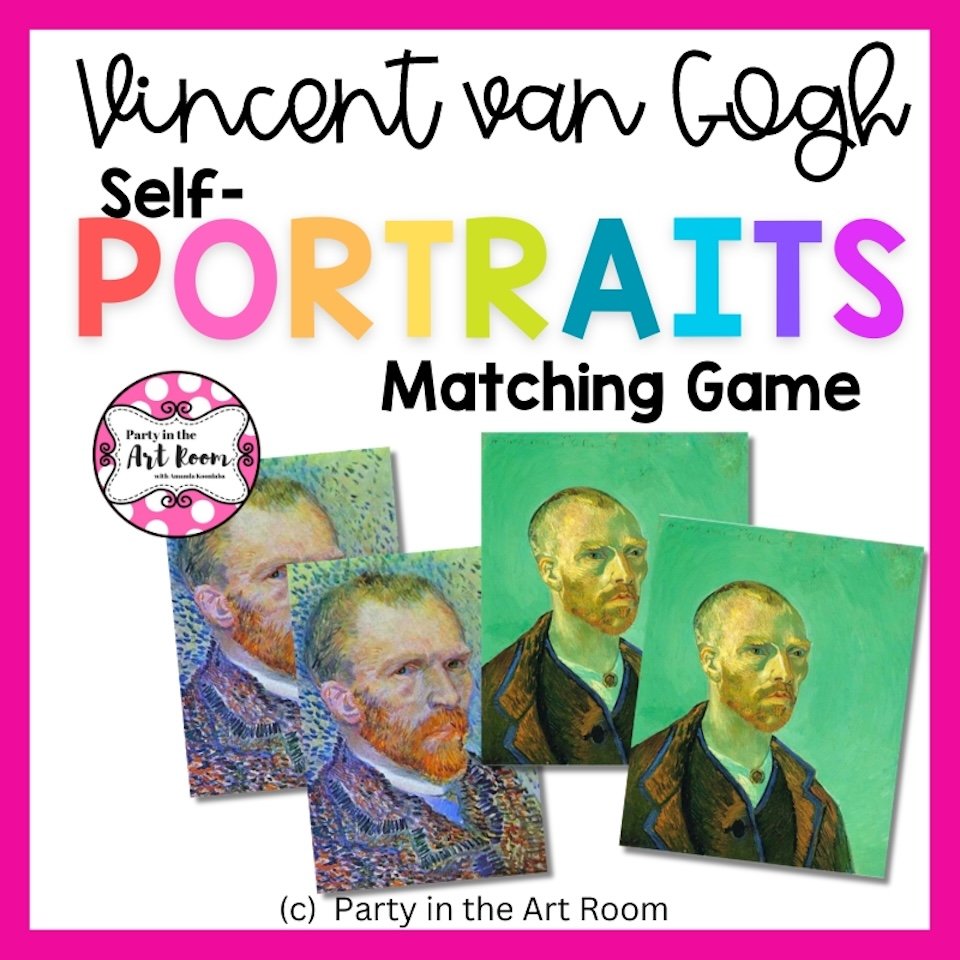
Inside this free PDF, you'll find a treasure trove of van Gogh's self-portraits, each capturing the essence of the artist's unique style and introspection. From his early works to his later masterpieces, this collection showcases the evolution of van Gogh's self-representation throughout his remarkable career.
As students pair the self-portraits, they will develop visual recognition skills, explore color and brushstroke techniques, and gain a deeper understanding of van Gogh's artistic journey.

Check out discounts, deals, and recommendations on all our artsy faves!
Affiliate Disclosure: Party in the Art Room is supported by its audience. When you purchase through links on this site, a commission may be earned.
Get to know Amanda Koonlaba!
Hi! I’m Amanda. Teaching children to be creative thinkers is my greatest joy. I’m here to help you bring that same joy to your classroom.

This guide is packed with 25 ideas for using art to teach math and ELA. It’s arts integration for the win!
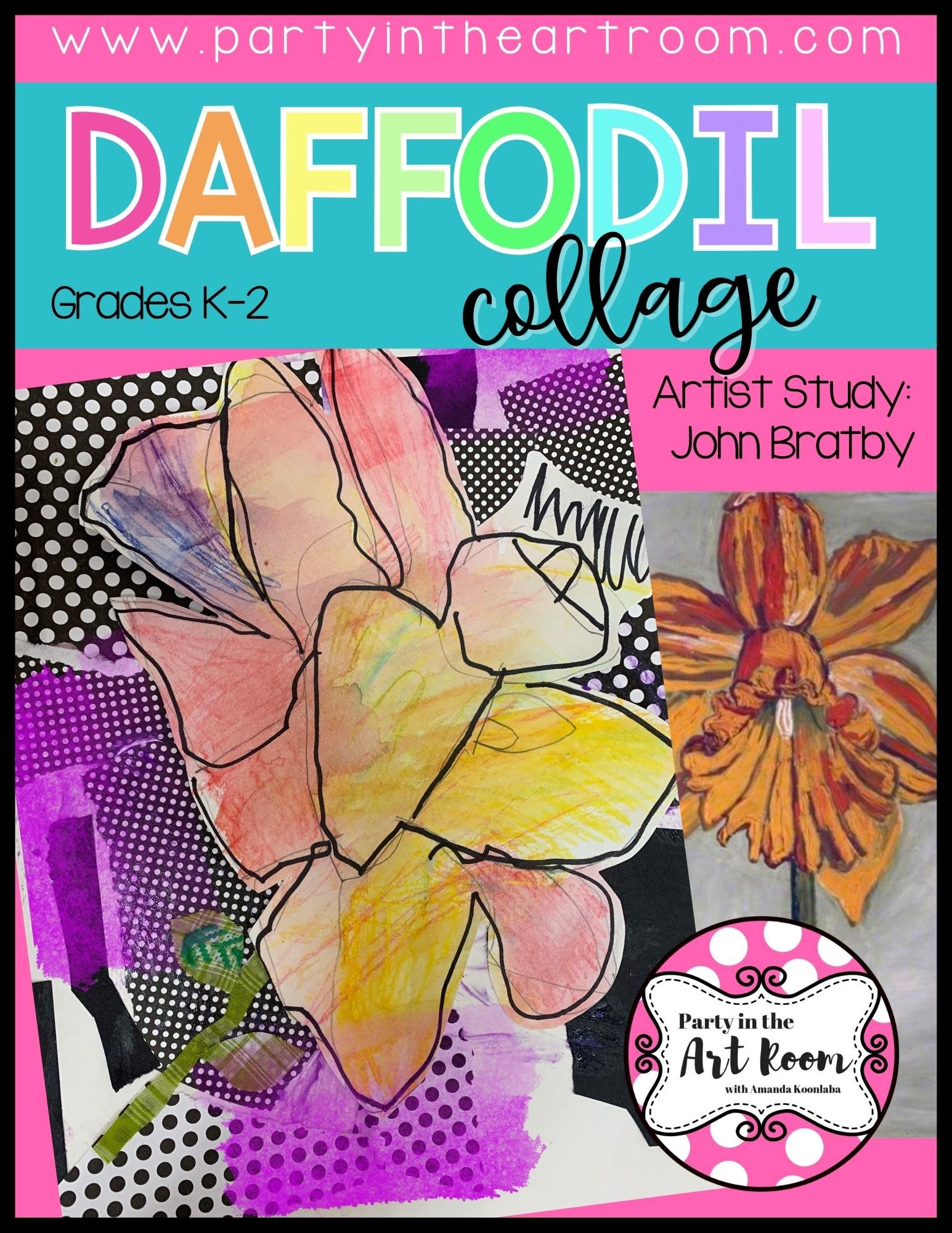
I want all students to feel successful in the art room, so I created a standards-based Daffodil Collage lesson to do just that! The lesson includes an artist study, student reflection, and more, so push your artists to their full potential.


Are you planning an abstract art lesson inspired by Paul Klee? Are your students going to create abstract portraits? Here’s an engaging and vibrant lesson to enhance your curriculum! This resource is an ideal addition to your elementary art plans, bringing creativity and excitement to your classroom.
Between 1927 and 1930, Edward Hopper painted two landscapes. These landscapes featured the Two Lights lighthouse in Cape Elizabeth, Maine. His play of sunlight and shadow across the buildings offered rich formal possibilities. For this art teacher, I saw the possibilities of offering my 5th grade art students a lesson they would remember.