Cultivating Critical Thinkers Through Art
In the ever-evolving landscape of education, fostering critical thinking skills is paramount. A powerful approach to nurturing these skills lies at the intersection of art analysis and engaging puzzles. Let's delve into how incorporating art into the educational journey, coupled with thought-provoking puzzles, not only captures students' imaginations but also hones their ability to think critically and analytically.
The Art of Critical Thinking
Art, with its rich tapestry of visual elements, serves as a canvas for cultivating critical thinking. When students engage in art analysis, they aren't merely interpreting images; they're decoding symbols, discerning patterns, and exploring the subtle nuances of the artist's intent. This process stimulates their cognitive abilities and encourages a deeper level of inquiry.
Decoding Symbols Through Art
In the realm of art, symbols speak volumes. Incorporating artworks into the curriculum provides students with an opportunity to decode symbols and explore the layers of meaning embedded in visual representations. From understanding cultural contexts to deciphering artistic choices, art analysis challenges students to think critically about the messages conveyed through images.
Puzzles as Gateways to Art Engagement
Pairing art analysis with puzzles creates a dynamic synergy. Puzzles serve as gateways, enticing students to explore artworks more deeply. Jigsaw puzzles, in particular, offer an interactive and enjoyable way for students to connect with art. As they assemble pieces, they're not only solving a puzzle but also uncovering the intricacies of the artwork, piece by piece.
Nurturing Analytical Skills Through Puzzles
The act of solving puzzles aligns seamlessly with the analytical skills cultivated through art analysis. Puzzles require students to observe, strategize, and make connections between different elements – skills that directly translate to the analytical thinking essential for art interpretation. The satisfaction of completing a puzzle mirrors the sense of accomplishment that comes with unraveling the layers of meaning in art.
Making Art and Critical Thinking Accessible
Art analysis and puzzles are accessible to students of all ages and abilities. The visual nature of art transcends language barriers, making it an inclusive tool for cultivating critical thinking skills. Similarly, puzzles can be tailored to suit various difficulty levels, ensuring that every student can engage in a meaningful and intellectually stimulating way.
Engaging Students for Lifelong Learning
By integrating art analysis and puzzles into the educational landscape, we set the stage for a lifelong journey of critical thinking. These activities not only enhance academic skills but also instill in students a curiosity and appreciation for the power of analysis, problem-solving, and creative exploration.
Embrace the Intersection: Art, Puzzles, and Critical Thinking
As educators, we have the privilege of shaping the minds of future critical thinkers. Embrace the intersection of art analysis and puzzles in your classroom, inviting students to unravel the mysteries of both artistic expression and complex problem-solving. Cultivate a learning environment where critical thinking becomes second nature, and students are empowered to explore the world with analytical eyes.

I’m Amanda, and I align standards and integrate content to help teachers meet the needs of the Whole Child in art class! I have yet to find a standard that I couldn’t teach through art, and I want to share it all with you.

Not sure where to start with bringing art and content together? This freebie guide is packed with 25 ideas to align your art lessons with math and ELA standards. Your students will be crafting art and practicing algebraic thinking. Win-win!
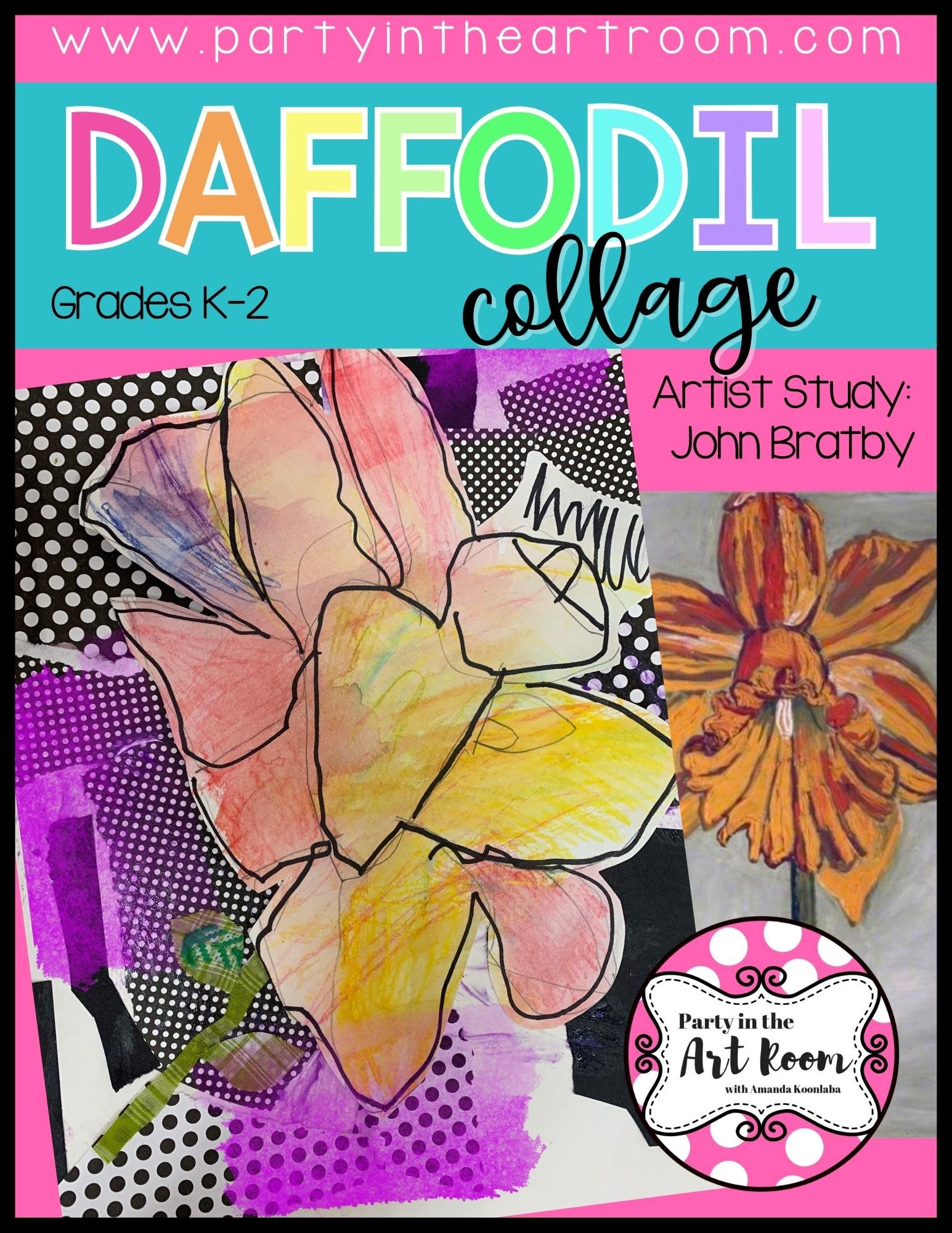
I want all students to feel successful in the art room, so I created a standards-based Daffodil Collage lesson to do just that! The lesson includes an artist study, student reflection, and more, so push your artists to their full potential.
Follow along on my Instagram page for more tips on teaching the Whole Child in the art room!
Connecting art and content together doesn’t have to be mind-boggling. I’ve made it simple with 25 math and ELA art lesson starters - for free! Plus, I included 15 worksheets for students to reflect on their art-making journey.