Defining the Creativity First Methodology
Let’s be real for a second: kids don't learn best by sitting still and memorizing facts like tiny robots. (And thank goodness, because can you even imagine how boring that would be?)
They learn best when they're curious, moving, making, and creating. That's why I built the Creativity First Methodology—to put the magic of creativity right at the start of every learning experience.
This isn't some stuffy, overcomplicated "framework" someone dreamed up in a meeting.
It's a four-step process that feels natural, doable, and genuinely fun—for both teachers and kids.
Let's walk through it together.
Keeping creativity simple makes it easier for kids to jump in, explore ideas, and enjoy the process without feeling overwhelmed.
What is the Creativity First Methodology?
The Creativity First Methodology is a four-step structure for integrating art with academic learning.
It’s designed to spark curiosity, deepen understanding, and boost engagement — all while reinforcing academic skills (without feeling like a worksheet in disguise).
Here’s the big picture:
1. Begin with Art
We always start with art — a visual that makes kids want to look closer.
You introduce a single artwork, concept, or art technique to spark curiosity, and teach just one or two new art vocabulary words.
Simple questions make all the difference:
● “What parts do you notice?”
● “What shapes and lines do you see?”
● “What do you think is happening here?”
✨ Want a fun way to start? Check out How to Draw Simple Cows with Oil Pastels for a sweet project that gets students noticing shapes, lines, and textures.
2. Connect to Content
Once students are hooked on the art, then we bridge the lesson to academic skills.
Example connections:
● In math: “If this artwork is a whole, what parts would be fractions?”
● In reading: “If this picture tells a story, what’s the main idea? What details support it?”
You use standards-aligned language to make the connection crystal clear.
The art becomes the anchor that makes those tricky academic concepts way more relatable.
✨ Need a crossover idea? Try Flower Monoprinting — it naturally weaves storytelling and observation skills into a fun printmaking project!
3. Create
This is the hands-on magic moment.
Students jump in to create their own art, applying both their new vocabulary and their academic connections.
They might:
● Design a quilt square showing fractional parts.
● Illustrate a scene that captures a story's main idea.
● Create a freeform masterpiece using the new vocabulary.
Experimentation, personal expression, and problem-solving are encouraged — it’s not about getting it “perfect,” it’s about getting creative.
✨ Want a sweet example? Our Peter Rabbit Monoprinting project is a playful way to explore line work, color blending, and storytelling through art!
4. Reflect & Revise
Before the glue dries (literally and metaphorically), we carve out time to reflect.
Questions to spark reflection:
● “What part of your artwork best shows what we learned?”
● “How did creating help you understand the concept?”
● “What would you do differently next time?”
Reflection deepens understanding, strengthens ownership, and—bonus—it builds critical thinking muscles too.
✨ Want a project packed with reflection opportunities? Try Easy Animal Masks with Plaster Wrap — trust me, kids LOVE thinking back on how messy materials transformed into masterpieces.
Why Creativity First Matters
When you start with creativity, you’re not just teaching standards—you’re showing kids that:
● Their ideas have value.
● Art and academics are stronger together.
● Learning is meant to be dynamic, joyful, and full of possibility.
Creativity First makes learning feel like an adventure instead of a checklist.
It empowers students to think deeper, try braver, and shine brighter.
When learning feels playful and open ended, students are more willing to experiment, take risks, and discover what they can do.
Final Thoughts
If you've been looking for a way to make your teaching feel more alive — or to make your homeschool days less like pulling teeth and more like planting seeds — the Creativity First Methodology is your new best friend.
You already have the heart for this.
This method just gives you a structure to help creativity lead the way — exactly where it belongs.
Ready to start?
🎨✨ Let’s keep putting creativity first, and watch the magic happen.
Related Posts You Might Love:
● How to Draw Simple Cows with Oil Pastels
● Flower Monoprinting Lesson
● Peter Rabbit Monoprinting for Kids
● How to Make Easy Animal Masks with Plaster Wrap
You Might Also Be Interested In:


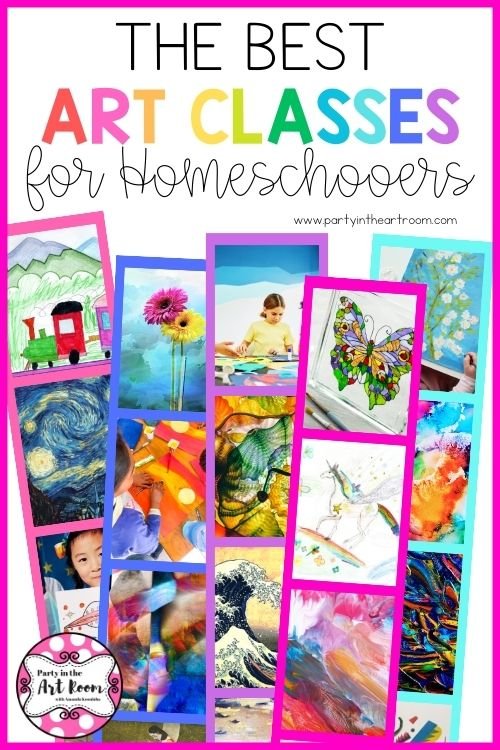


Perfect for anyone who thrives on hands-on, visually engaging activities, the Social Emotional Skills with Vincent Van Gogh pack brings art and emotion together to support holistic growth. Ready to make a meaningful impact on your homeschool journey?

Shop Workbooks on Amazon
Affiliate Disclosure: Party in the Art Room is supported by its audience. When you purchase through links on this site, a commission may be earned.
Get to know Amanda Koonlaba!
Hi! I’m Amanda. Teaching children to be creative thinkers is my greatest joy. I’m here to help you bring that same joy to your classroom.

This guide is packed with 25 ideas for using art to teach math and ELA. It’s arts integration for the win!
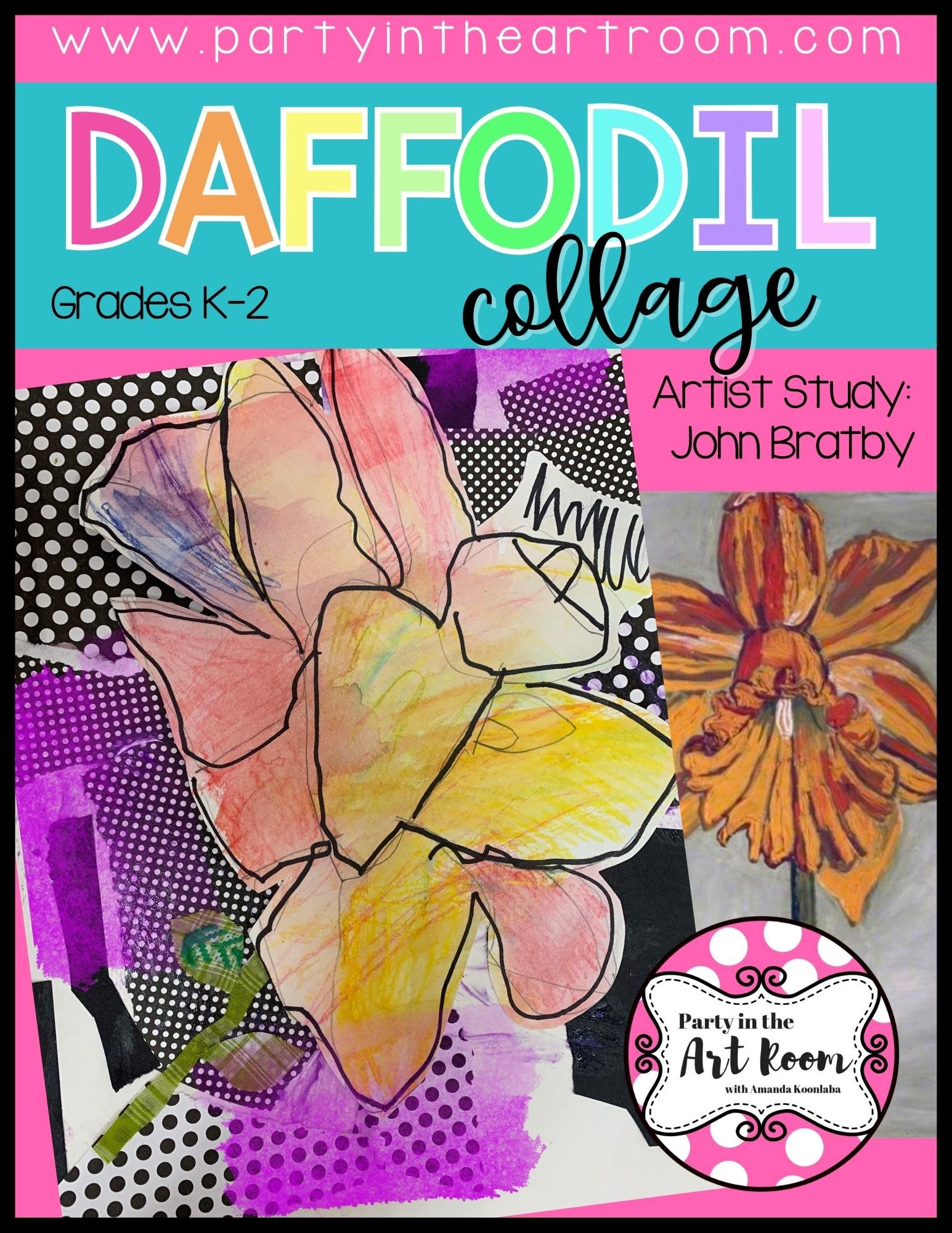
I want all students to feel successful in the art room, so I created a standards-based Daffodil Collage lesson to do just that! The lesson includes an artist study, student reflection, and more, so push your artists to their full potential.


Are you planning an abstract art lesson inspired by Paul Klee? Are your students going to create abstract portraits? Here’s an engaging and vibrant lesson to enhance your curriculum! This resource is an ideal addition to your elementary art plans, bringing creativity and excitement to your classroom.
Transform ordinary heart art into bold pop art masterpieces with Party in the Art Room's engaging pop art lesson that brings famous art movements to life.
Students explore color, repetition, and contrast through art-and-roll games that turn artistic concepts into hands-on discovery. Clear step-by-step directions make this perfect for substitutes, while hand-drawn examples encourage creative risk-taking over perfection.