3 Beautiful and Surprisingly Easy Spring Art Activities
Spring is just around the corner, which means it is the perfect time to create colorful and vibrant works of art. Spring is the season of new life, fresh flowers, rainbows, and sunshine. These three projects capture the warmth of the season while allowing your students the opportunity to practice their fine motor skills, use of color, and command of shape. Here are three easy and beautiful projects to do this spring.
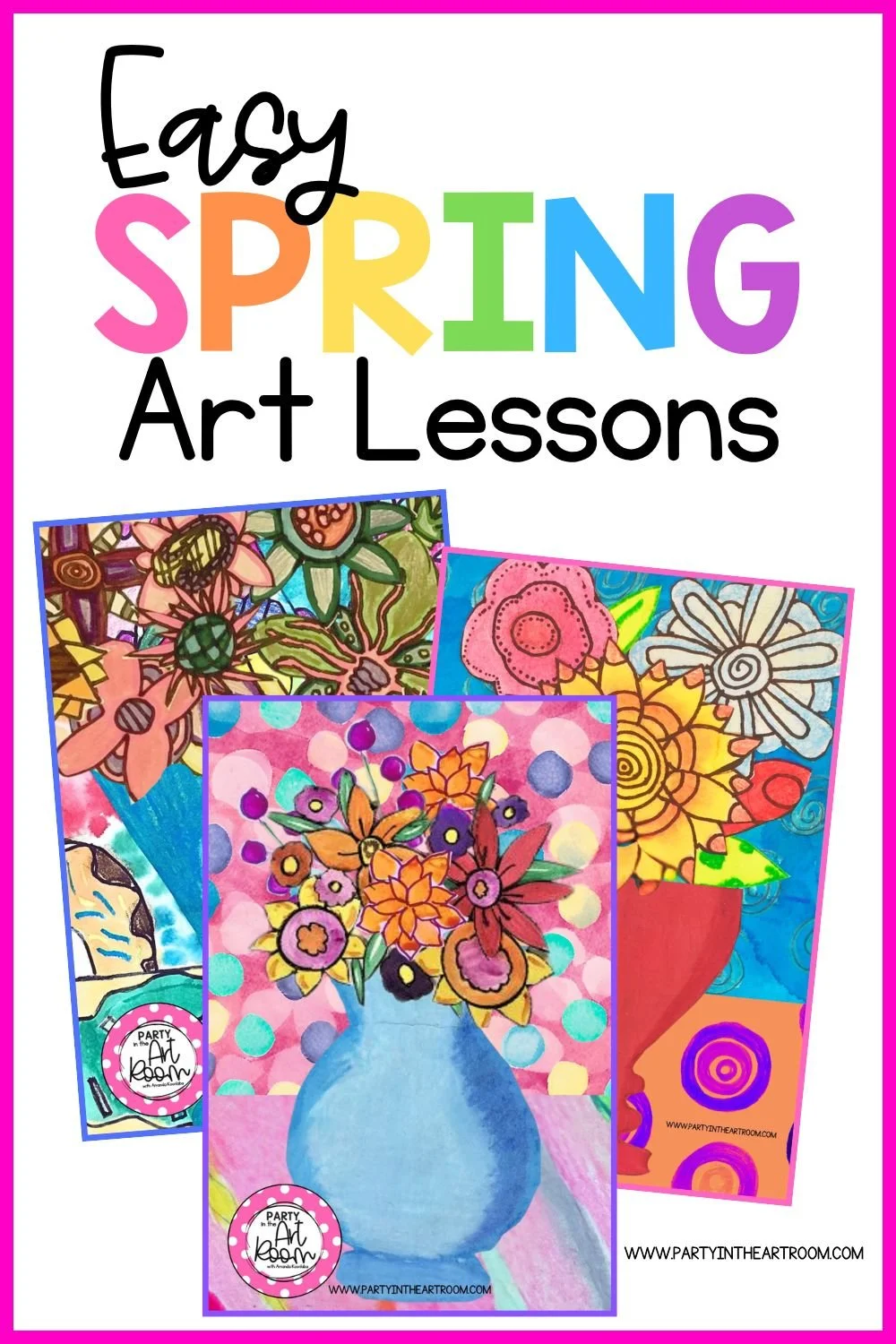
Welcome spring with these easy and vibrant art lessons for kids!
Spring Flowers Painting
Painting a set of spring flowers is an easy way to celebrate the season while practicing drawing and painting dexterity. Spring is the perfect time to start exploring warm colors and this flower painting gets the job done. Here’s what you will need:
· Pencil
· Sharpie
· Acrylic Paint
Have students start by sketching out their flower shape on the white tagboard. Once the flower shapes are sketched students can outline their flowers with Sharpie. When they have a solid outline of their flowers, students can begin painting the flowers with acrylic paint. Use red, orange, pink, and yellow to create vibrant flowers that are perfect for springtime.
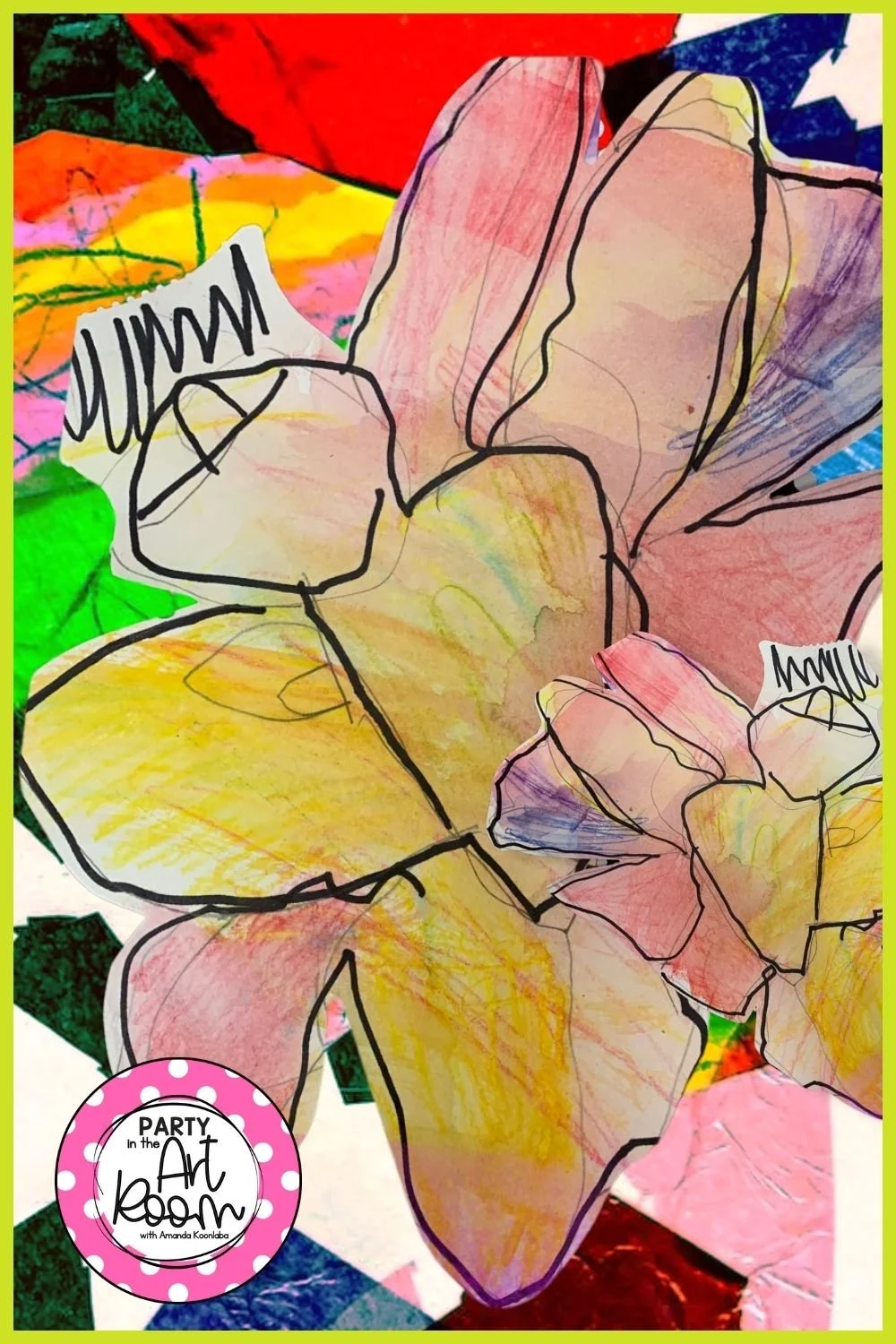
Get inspired by the intricate details of these close-up spring blooms.
Daffodil Collage
This daffodil collage project is a great way to teach students about spring flowers while exploring the art form of collage. This project is inspired by John Bratby and the style of maximalist art with unique materials, brush strokes, and methods. A collage is a great way for students to move behind simple painting and drawing and into a world of found materials.
Students start by drawing the outline of their daffodils on a piece of paper. Once the rough design is sketched, students will paint the daffodil a bright yellow color to represent the natural color of the flower. The inside of the flower can be painted a shade darker to show the natural depth of the flower. After the paint dries, students outline their flowers in a black marker. Once outlined, students' daffodils can be cut out.
After the daffodil is created, students can use a variety of materials to craft their collage background. Students can glue on different pieces of paper or use paint and other supplies to paint a background with a variety of designs, depths, and colors. Once the background collage is complete, students can adhere to the daffodil over the top with glue.
If you want an in-depth look at this lesson, you can find it here.
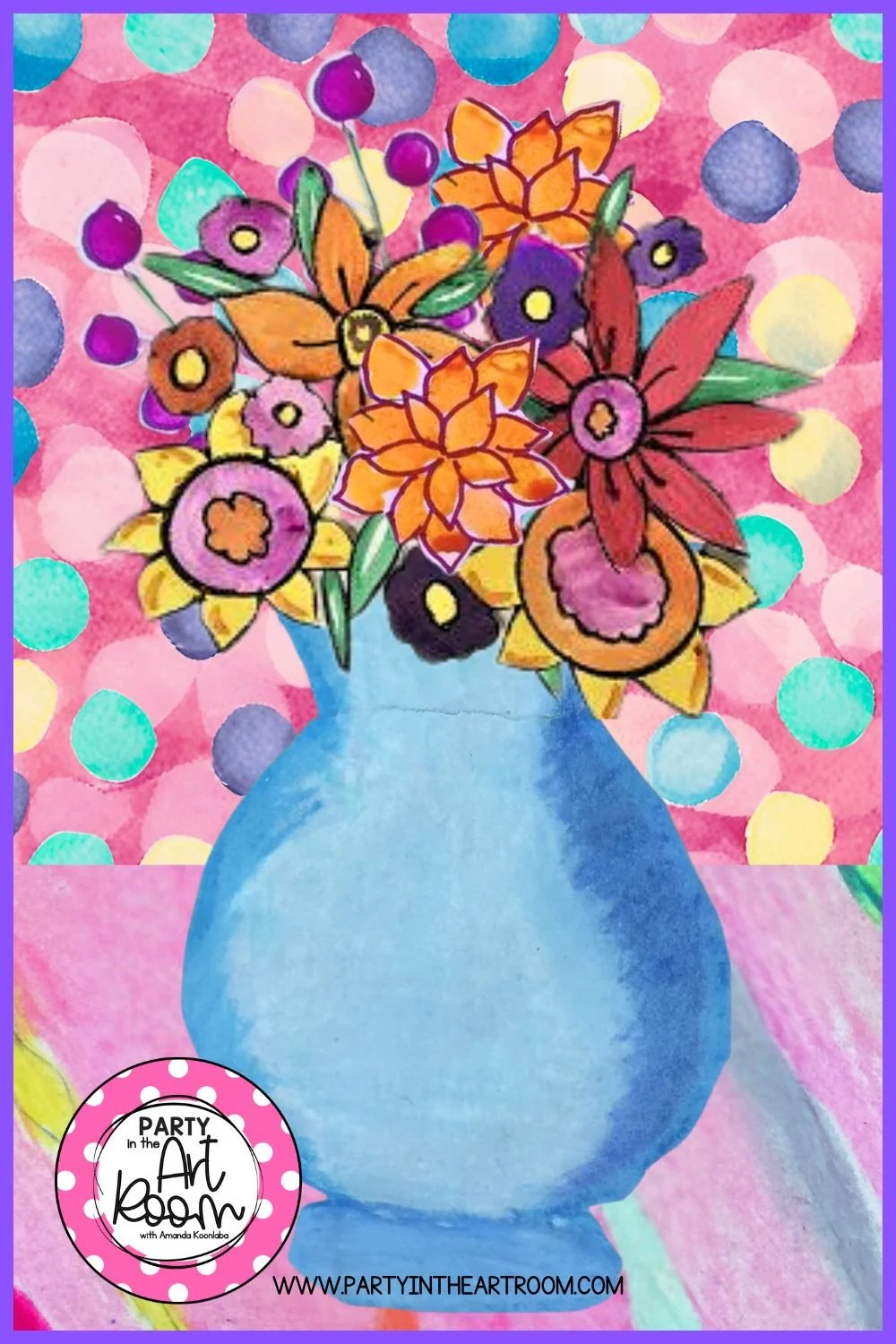
Capture the beauty of spring with this delightful floral vase painting.
Floral Vase Collage
A floral vase collage is a perfect spring art project that gives students an opportunity to practice a variety of skills while creating a fun and vibrant piece of art. Here’s what you’ll need:
· Scissors
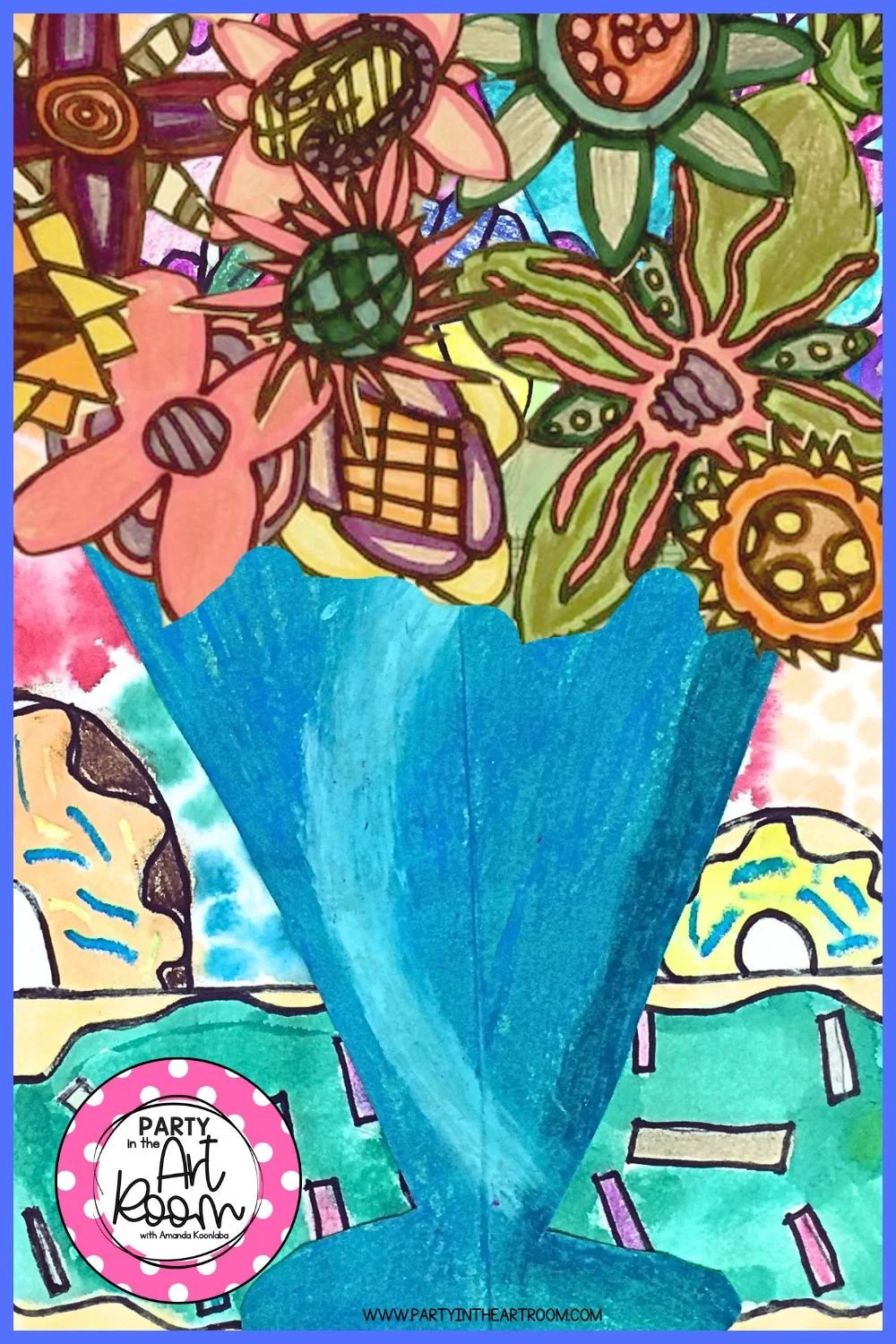
Another take on spring beauty: a stunning blue vase filled with unique blooms.
To begin, have students draw three flowers on a piece of white paper. Be sure to remind students that each of their flowers should be unique and should mimic flowers that they find in nature. After students draw their flowers, they will color them with watercolor paints. Watercolors are a great tool for capturing the pastel colors that are often associated with spring. Once the students’ flowers dry, have them outline their flowers with a black permanent marker and cut them out with scissors.
Have students set aside their finished flowers. Next, have students draw leaves with a green crayon on green construction paper. Students can use the crayon to add fun patterns to their leaves to make them unique. After students have drawn and decorated their leaves, have students cut them out with scissors.
On a separate sheet of construction paper, have students outline a vase with a crayon. This vase design will serve as the vessel for all their colorful flowers and leaves. When they are finished drawing their vase, have students cut out their designs with scissors.
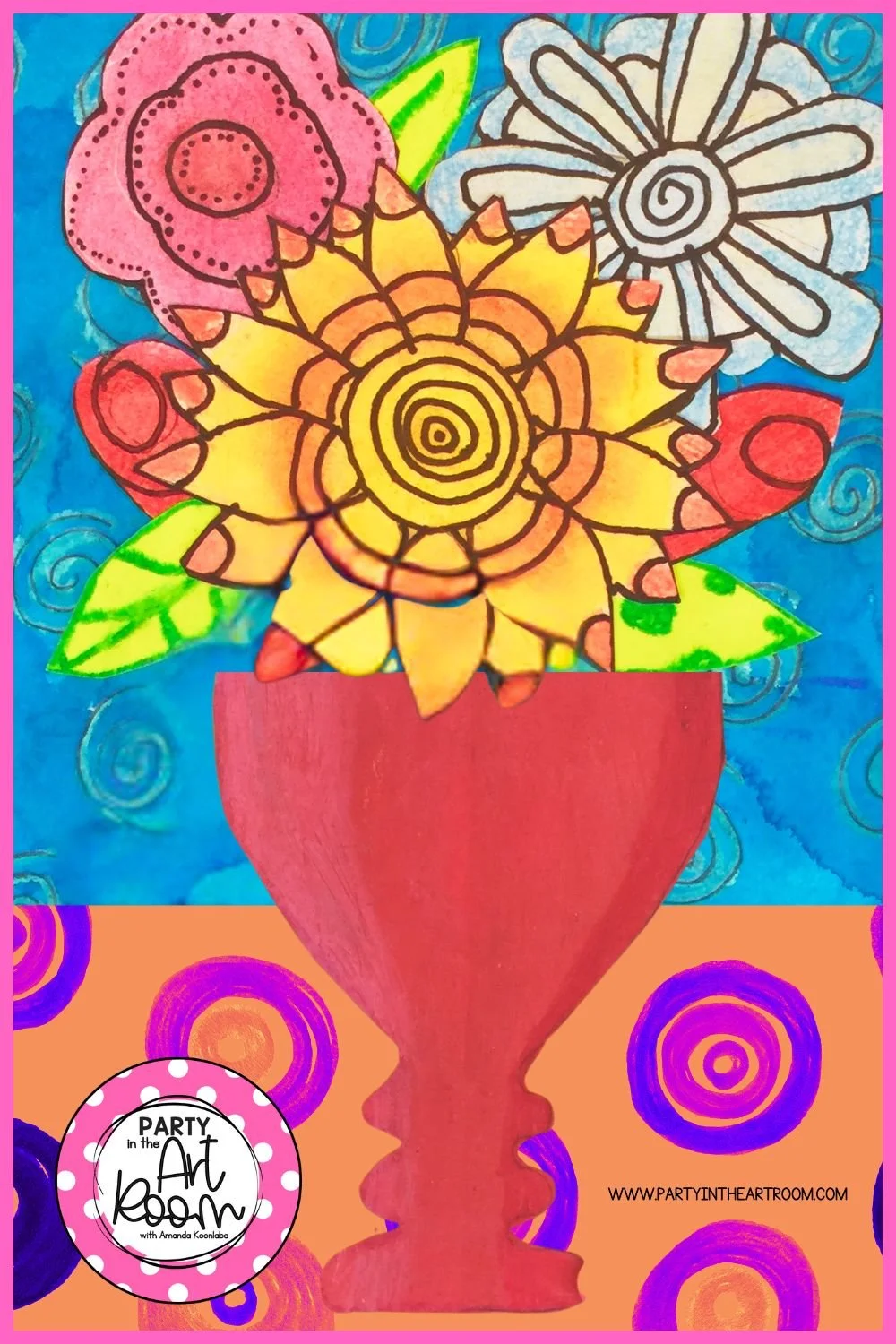
Bring bold colors to life with this striking red vase floral painting.
The last step before assembling your collage is creating your background. Use crayons to draw a background for your vase to sit in. Students can draw the horizon line about two-thirds of the way down the page to add dimension to their collage. Students can paint right over the background design using tempera paints. The wax from the crayons will repel the paint leaving behind a clean design.
Finally, students can assemble their collages by gluing their vases to the background. Students can then arrange their flowers and leaves to look like they are coming out of the base. Once every piece is glued on and dried, you have an exciting and colorful art project that is perfect for Spring.
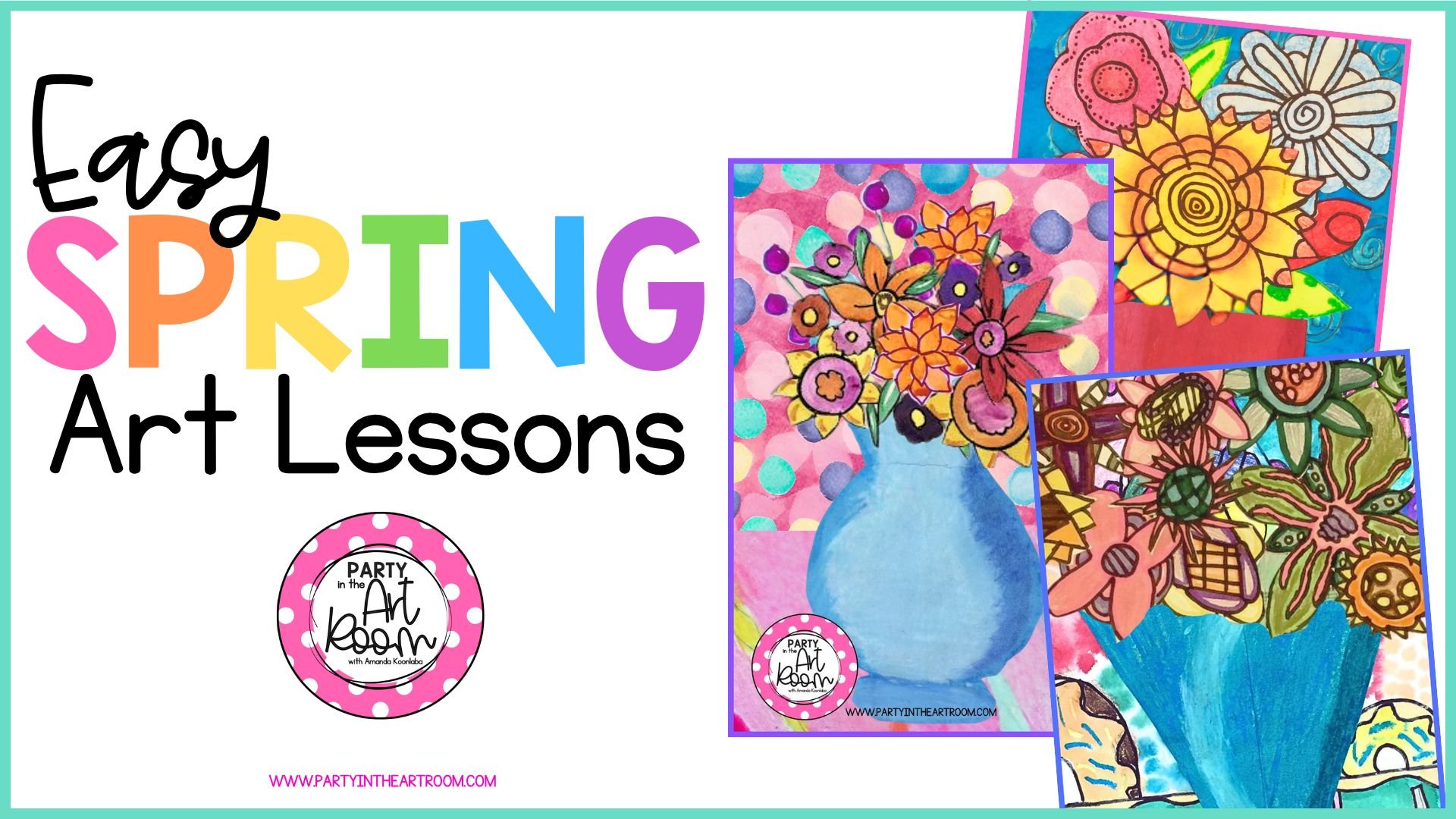
Celebrate the season with creativity—easy spring art lessons for every student.
More Great Ideas:



Get your copy of the free Social Emotional Skills with Vincent van Gogh resource.

Get to know Amanda Koonlaba!
Hi! I’m Amanda. Teaching children to be creative thinkers is my greatest joy. I’m here to help you bring that same joy to your classroom.

This guide is packed with 25 ideas for using art to teach math and ELA. It’s arts integration for the win!
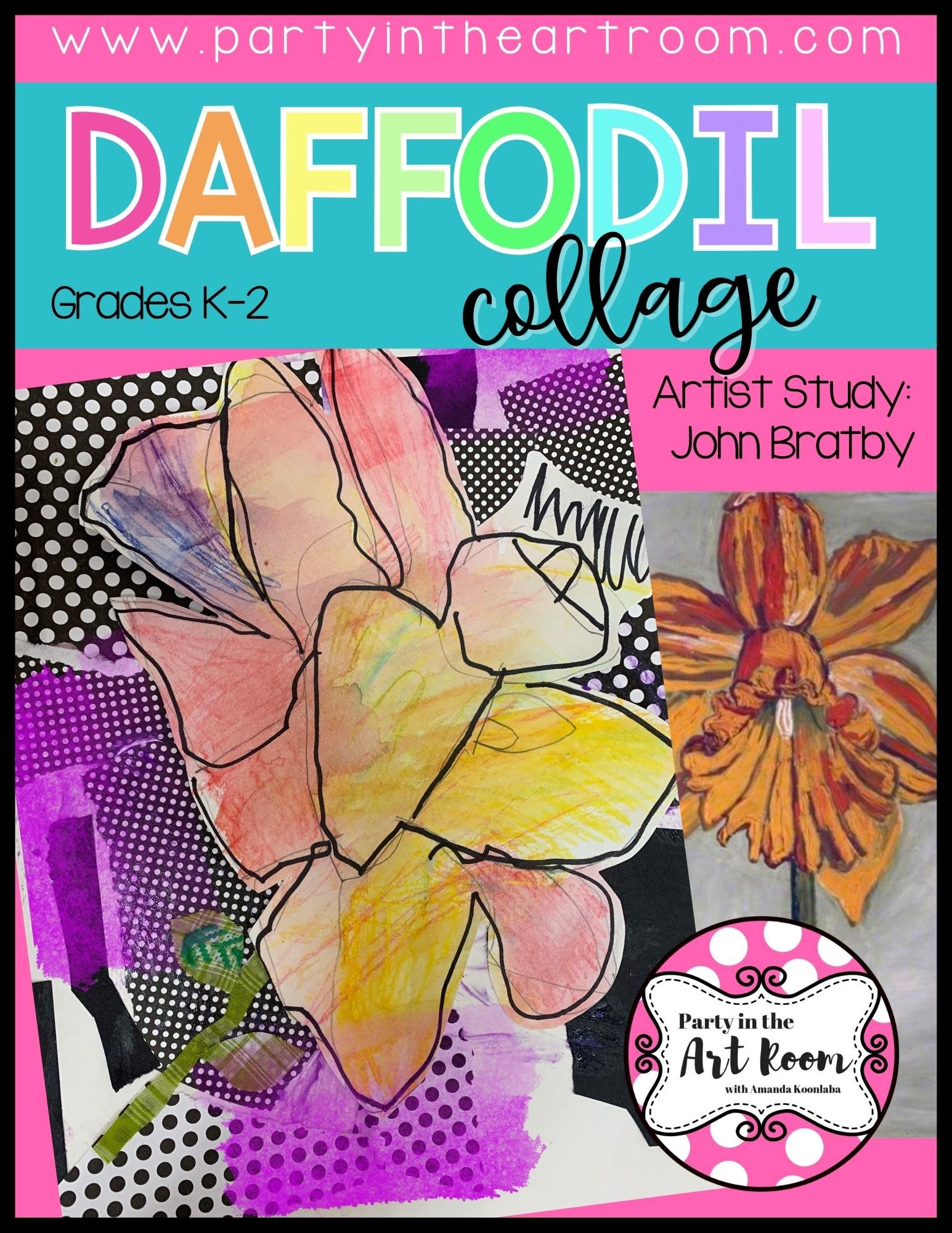
I want all students to feel successful in the art room, so I created a standards-based Daffodil Collage lesson to do just that! The lesson includes an artist study, student reflection, and more, so push your artists to their full potential.





Are you planning an abstract art lesson inspired by Paul Klee? Are your students going to create abstract portraits? Here’s an engaging and vibrant lesson to enhance your curriculum! This resource is an ideal addition to your elementary art plans, bringing creativity and excitement to your classroom.